
NEWS
Leadership in Service


Protocols,
1. The world owes a debt of inexhaustible gratitude to our medical doctors who spend much of their days in sacrificial service to humanity, restoring life and hope to individuals and families by the work they do in our health facilities, medical colleges and research institutions and in all the frontiers of service where they deploy their skills, energy and passion to save lives under what is often very difficult conditions to give their patients, even those with near-zero chances of survival, one last opportunity to experience empathy, compassion and the very best of human spirit and love.
2. God did indeed create doctors to be a special breed which perhaps explains why it is almost the exclusive preserve of the most brilliant and focused individuals. I say this as the father of a medical doctor myself. It is not for nothing that the profession has remained prestigious and its practitioners accorded great social esteem since the days of Hippocrates. Doctors serve people irrespective of their economic and social backgrounds, acknowledging their humanity like God demanded of us and ultimately teaching all of us very important lessons in service, humility and the sacredness of the human life.
3. Doctors, including many in this auditorium, have been known to go above and beyond the call of duty to save lives and provide support to those under their professional care. Beyond just attending to patients, your role in the last few decades has expanded to include several other responsibilities that would usually weigh down the unprepared. Today’s doctors are lifestyle counsellors, campaigners for noble causes, community leaders, philanthropists and mentors to many. The addition of new roles to your regular job speaks to the trust and confidence the society has in you for reasons of your integrity, discipline and capacity to consistently make sound judgements, even outside the boundaries of your individual expertise.
4. The average doctor trained or practising in Nigeria belongs to a very rare species of the human race. You make the best of impossible situations to graduate and then begin your practice in an environment that many outside here can never contemplate, and yet you are still ranked very high on the basis of the excellent results you produce in the course of your career. The Nigerian doctor, practising in Nigeria or anywhere in the world, is a champion and should be praised for constantly drawing water from rocky grounds in a passionate zeal to apply themselves to all that is noble. At home you save lives by attending to the sick and when you go elsewhere, you still do not forget home — constantly sharing your earnings with your loved ones here, supporting families, sponsoring the education of your younger ones, and several community development projects relating to education, health, and the welfare of the underprivileged.
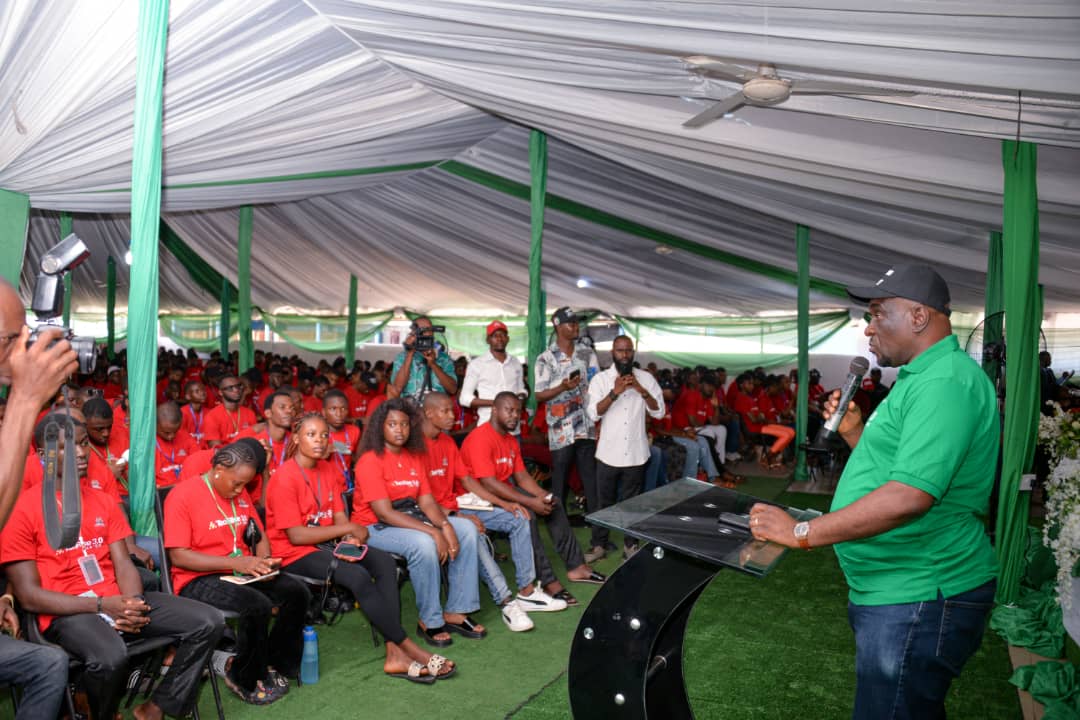
5. The world would have been dramatically different without the passionate commitment, brilliance and sacrifices of those who serve humanity as doctors. Today presents us a very beautiful opportunity to come together as members of one human community and appreciate these selfless individuals for completely giving of themselves that we may overcome the limitations and misery of ill-health, live full and healthy lives while enjoying the abundant blessings of God’s earth. On this note distinguished ladies and gentlemen, permit me to join the chairman of the Nigeria Medical Association (NMA), Abia State Chapter, Dr Ezurike Ezinwa, and members of the local organising committee to welcome you to the 2024 edition of the Annual Physicians’ Week. This gathering has expectedly brought together stalwarts of the medical profession from the State and beyond, senior bureaucrats, government functionaries and other key stakeholders from several walks of life to discuss how we can respond effectively to the realities of the time as it affects those who toil and labour to keep us healthy.
6. There is no denying the fact that there are very difficult headwinds threatening the dedication and commitment of our doctors to their Hippocratic Oath. As stakeholders in various capacities, these unfavourable developments bordering on economic and social difficulties should worry all of us. The issues we should be reflecting on over the course of this programme may include how to strike a balance between sacrifice and just reward for honest labour, responding to the threats of mass exodus of doctors which leaves our population in great peril and of course, evolving a dynamic system that offers commensurate rewards to the domestic health system for the contributions of our medical practitioners to the health and wellbeing of populations across the world.
7. My experience is that nothing is given if it is not asked and I am not in any way suggesting that someone else pays for our failure to provide the right environment for our doctors to function and thrive domestically. Even then, it has also become imperative for us to begin to look at ways of extracting some value from those who profit most from the professional services of medical personnel trained here, sometimes at public expense. There may be contentions about this proposal and they will be justified because a few things we are supposed to have done to encourage our doctors to choose home have been neglected.
8. At any rate, I would recommend that we go for bold ideas and thoughts as we debate the issues. No idea should be considered too outlandish or too infinitesimal to be brought to the table because in my experience, nothing should be dismissed until it has been thoroughly explored. There is no doubt that our doctors, your colleagues, 12,400 by recent estimates, are in very high demand across the US, UK and Canada. If the health systems in the developed economies are massively supported by doctors trained in Nigeria, it may be about time we asked for some compensation which will go exclusively into augmenting the pay of doctors practising here, as well as improving the general health architecture in the country to support service delivery and the welfare of personnel, especially doctors who have resisted the strong pull factors that had drawn many of their colleagues to other places. I would encourage you to look strongly at this proposal as made and flesh out the details for considerations by the relevant stakeholders.
9. Beyond what we can get from the systems enjoying the services of our doctors, greater attention should be on how to address the push factors that have made it difficult to retain medical talents in the country, especially doctors. Over the course of the interactions this week, we should be able to answer very salient questions around the introduction of competitive incentives for doctors, capacity development and exposure to evolving industry trends. While it is true that the primary motivation for many of you may not be monetary rewards, it would also be naïve to imagine that we have an obligation to starve and treat the welfare of doctors with levity. I am all for a just wage because that is at the heart of talent attraction and retention.
10. We must, however, not be deceived. The challenge for our healthcare industry goes beyond money and it will be utterly irresponsible to assume that once money is thrown at the problem, it would disappear. No! The situation is more profound and there is the need for a holistic approach to a problem that has lingered for several decades. Doctors, like other professionals in the healthcare delivery ecosystem, are leaving the country for a number of reasons; money is just one of them.
11. My estimation is that even if we multiply the current pay package several times over, and not deal with the other critical issues around the economy, insecurity, poor working environment, limited opportunities for sponsored trainings and career progression, the burden of very low doctor-to-patient ratio and poor equipment in our hospitals, we will still struggle to convince doctors that this is the right place for them. This is why I would recommend that we take a more rounded look at the challenge and refuse to run with what Chimamanda Adichie referred to as a single story. The rot in the industry is deep and there has to be concerted effort, guided by sincere commitment and a genuine sense of patriotism to get a firm handle on the issues.
12. To be clear, we shall not get everything right in one day but our step to redemption can begin by taking necessary baby steps, informed by the awareness that we have not given the health sector in general, and the welfare of doctors in particular, the attention they deserve. Agreed that a lot of damage has been done due to corruption, incompetence, and negligence, we would also do well to acknowledge that the situation is not beyond redemption; if we adopt a more sustainable and result-oriented approach today, we shall in no time begin to see genuine improvements in the quality of outputs.
13. May I also remind us that we should not underestimate our capacity to inspire change in the system. We have enough intellect, reach and initiatives, right inside this very auditorium to drive the transformation of the entire healthcare delivery architecture in Nigeria. What we need to achieve the results we seek are a sustained capacity to demand accountability from the system, draw the attention of relevant stakeholders to the nagging challenges in the sector and develop the staying power to ensure that we do not back down until the right things are done. This would include the recruitment of very competent administrators for the entire healthcare ecosystem, development of an effective plan for the growth of the sector, setting up of a collaboration framework for funding and service delivery monitoring and assessment across the entire value chain.
14. My proposal must never be mistaken to suggest an invitation to needless strike actions for that would be counterproductive. I actually think that industrial action in the health sector is against the spirit of the Hippocratic Oath you took at the point you qualified to be a doctor. Such actions endanger human lives. It is always best to build a trusting relationship with the actors in the public sector and work out ways of prioritising the health sector like we find in the developed economies. Institutions such as the National Health Insurance Scheme (NHIS) and the entire system of support set up to improve affordable care for Nigerians, support the training of personnel and the upgrade and maintenance of facilities must be restructured to meet the needs of the stakeholders.
15. There should also be renewed efforts to stamp out corruption from the health sector. Structures and channels through which patients and their families are extorted must be shut down immediately. More importantly, practices that enable stealing and diversion of supplies to the public hospitals and institutions and other forms of sabotage should be addressed immediately through the setting up of an effective action-consequence framework. I would recommend that the highest standards of discipline be enforced in the sector because every action or inaction that subtracts from the system presents a grave threat to human lives. Poor remuneration and economic difficulties must never be an excuse to endanger lives.
16. Let me now come home and begin by appreciating the NMA for its extensive support for the enthronement of a new order of leadership in the State. Like all reasonable men and women living or working in Abia, you were individually and collectively disenchanted with the old system and worked hard to dismantle a leadership orientation that wrought destruction to not only the health sector, but every critical institution in our State. Thank you for the sacrifices and for sharing in our belief that a new deal that puts the concerns of the public first was imperative for our continuing survival. This is also a good time to appreciate you for your active support and cooperation in the last 17 months. We do not take your goodwill for granted.
17. Since we assumed office, we have shown great commitment to improving the healthcare delivery system in the State. We may not have gotten everything right but there is no second-guessing our blueprint for the health sector in the State. Recall that for the first time in the history of our dear State, 15% of the entire budgetary outlay was earmarked for the health sector this year. Another way of understanding our approach to the transformation of the health sector is by taking a careful study of the quality of personnel we have hired to drive the actualisation of the health outcomes we promised the people, starting from the Honourable Commissioner for Health, Prof. Enoch Ogbonnaya Uche, and a carefully-selected team of very accomplished medical professionals who have distinguished themselves in other previous responsibilities. Their mandate is to support the administration’s resolve to give Abia a healthcare system that is effective, reliable and accessible to all, no matter their economic or social realities.
18. We have since gone ahead to revive major state-owned health institutions which lay in ruins as at the time we took over with reference to the State Specialist Hospital and Diagnostics Centre, and the Amachara General Hospital. In demonstration of our resolve to get it right, we wasted no time in addressing the challenges that led to the loss of accreditation for the training of medical doctors at the Abia State University Teaching Hospital (ABSUTH), Aba. On the strength of our efforts, the Institution has since regained its accreditation and in March this year, it graduated a new batch of doctors after several years of redundancy.
19. In the last six months, we have seen remarkable improvement in the quality of services at the Abia State Specialist Hospital and Diagnostics Centre, Umuahia with the introduction of a wide range of medical, clinical and laboratory services. There has also been a rise in the number of consultants working at the facility as we work to make the Centre a one-stop health services establishment. At other secondary health facilities in the State, we are also seeing an expansion in service provisions in line with the commitment to boost the confidence of the general public in our health institutions.
20. More fundamentally, we understand that we cannot accomplish our target for the health sector if we do not pay particular attention to the welfare of the personnel, especially the doctors who function as leaders and main drivers of the delivery outcomes. We promised on assumption of office that never again will doctors and personnel who work in our hospitals and medical institutions be owed their entitlements. I am glad to report that we have kept faith with our promise of prompt and regular payment of salaries to healthcare workers employed by the State Government. I have also directed my team to quickly conclude discussions and set out the modalities for the payment of the Consolidated Medical Salary Structure (CONMESS) and the Consolidated Health Salary Structure (CONHESS) to the relevant personnel in our employ. I have informed the Health Commissioner and his team that I am waiting to have their report on my table as soon as they can put it together.
21. As part of our general welfare and professional support package for the doctors working in the State’s public healthcare system, I have equally directed the Health Commissioner to work out the appropriate framework that the State can adopt to sponsor the continuing professional development of our doctors — including fellowship and post fellowship trainings. We are prepared to do whatever it takes to support the career dreams of doctors working for the State Government, in the understanding that they shall stay committed to serving the healthcare needs of our people in urban and rural communities.
22. Let me conclude by saying a few things about the carefully considered theme of this year’s event which is “Ensuring Universal Application in Remuneration: A Panacea for Talent Retention in the Medical Industry.” May I quickly say that I agree entirely with the demand that implicitly comes with the theme because I believe that it is unjust for professionals who do the same work to earn extremely different incomes.
23. This proposal should, however, be considered by also capturing the reality of the economic environment where we are working. Again, while I believe that it is just to reward everyone fairly for the services they render, taking cognisance of the training and skill required to function in the space, it may, however, be a little tough to expect an under-$500 billion economy to pay the same wage as a $30 trillion economy.
24. What I would rather recommend is that we evolve a system that pays our doctors a wage structure that is fair and competitive by regional standards. It will be hard to justify the odd reality of doctors in smaller neighbouring economies earning higher than their counterparts here. It is an injustice that has to end immediately.
25. Abia as I had mentioned remains firmly committed to the periodic improvement of the welfare packages of our doctors. We shall in turn expect you to consistently give your best by supporting our vision and being faithful to the Oath that guides your profession. You are expected to bring operational harmony in your different establishments by working closely with other equally important professionals in the system.
26. Let me once again thank you for your faith in the country and for placing the health of our people above material gains. I am optimistic that things will definitely improve and we shall joyfully tell the story of how our resilience and passion for service to humanity saw us through.
27. Thank you for listening and may God bless you all.
Dr Alex C. Otti, OFR,
29/10/2024

NEWS
God Will Console You, Governor Otti Tells Ahuchogu Family, As Comrade Ugochukwu Ahuchogu’s Late Wife, Onyinyechi Is laid To Rest.


Only God can console you , Governor Otti tells Ahuchogu family, as Mrs Onyinyechi Ahuchogu, wife of Comrade Ugochukwu Ahuchogu is led to rest
The late Mrs Onyinyechi Patricia Ahuchogu, the late wife of Comrade Ugochukwu Ahuchogu, was on Friday, 9th October 2026, buried at Ntigha, Isiala Ngwa North LGA of Abia State.
The late Mrs Onyinyechi Ahuchogu who worked in the Broadcasting Corporation of Abia State, BCA before her unfortunate departure, died at 38 years.
The burial which was conducted by the Faith Clinic Intercessory Ministries, attracted several friends and colleagues of the family to Avor Ntigha.
Delivering his speech at the burial event, Abia State Governor , Dr Alex Otti urged the family of Comrade Ugochukwu Ahuchogu to remain steadfast in their faith in God and draw strength from Him as they navigate the pains of the death of Mrs Onyiyechi Patricia Ugochukwu.
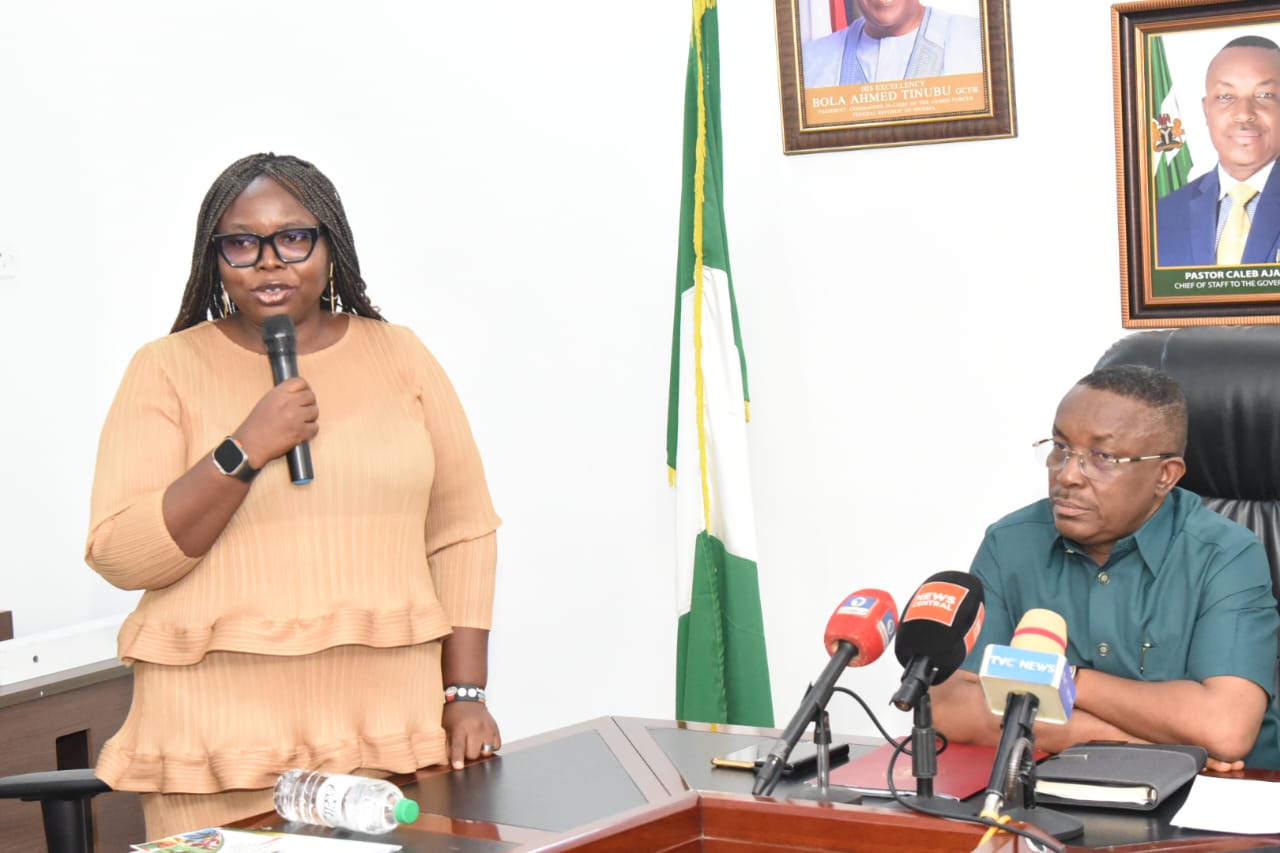
The Governor, who was represented by his Chief of Staff, Pastor Caleb Ajagba, acknowledged the pain associated with losing a loved one and encouraged them to take heart, reminding them that God remains sovereign over every situation.
He urged the family not to lose hope in the face of their grief, but to trust in God’s ability to sustain them through the difficult period.
Governor Otti noted that the value of a person’s life should not be measured solely by the number of years spent on Earth, but also by the significance of their existence and the memories they leave behind.
According to him, the family should find consolation in the belief that there is hope beyond their present sorrow and that what lies ahead could be better than what is behind.
Governor Otti further assured the family that God would not abandon them in their moment of grief, praying that He would grant them the comfort, courage and inner strength required to bear the loss.

Earlier in his sermon, titled “Death: A Great Mystery of God Upon Humanity,” the Pastor in charge of Faith Clinic Intercessory Ministry, Pastor Chibuike Nwogu, described death as an inevitable reality of human existence, urging everyone to reflect deeply on the purpose of life and the legacy they hope to leave behind.
Drawing from Ecclesiastes 9:5, Pastor Nwogu reminded all that earthly life is temporary and that no human being can escape the reality of death.
He challenged Christians to consider the impact of their actions, relationships and contributions to society, stressing that everyone should strive to live a life worthy of emulation.
The servant of God further admonished Christians not to grieve like those who have no hope, encouraging them to draw comfort from their faith in God even in times of profound sorrow. He explained that while the loss of a loved one brings emotional pain, believers must continue to trust in God and remain committed to living righteous and purposeful lives.
He also cautioned against placing absolute confidence in human beings, noting that people may disappoint, but faith in God provides a source of hope and reassurance during difficult moments. He therefore urged Christians to strengthen their relationship with God, remain prayerful and make good use of the time available to them on earth.
Aged 38 years, Mrs Onyiyechi Patricia Ugochukwu was survived by her husband, Comrade Ugochukwu Ahuchogu and numerous relatives.
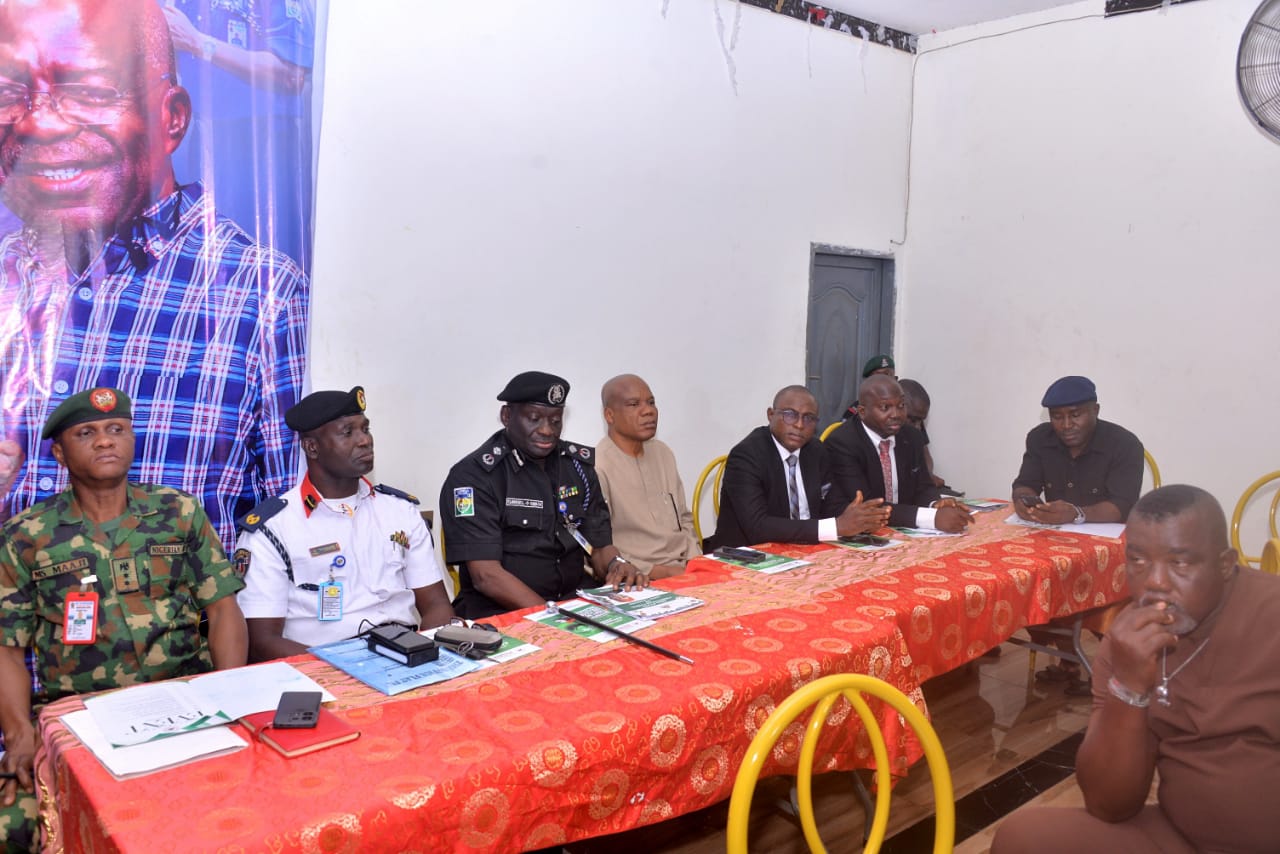
The burial ceremony attracted the presence of many dignitaries, including the Commissioner for Arts, Culture and Creative Economy Mr. Matthew Ekwuruibe, Director -In Charge, Government House Umuahia, Mrs. Onyedikachi Ogwo, acting Director General of the BCA, Comrade Francis Nwaubani, the leadership of the NUJ and many others.
From :Onyebchi Juliet Nwabu
FIC umuahia
10th October 2026.
BURNING ISSUE
Abia Records Healthcare Breakthrough As 19-Year-Old Accident Victim Undergoes Successful Brain Surgery
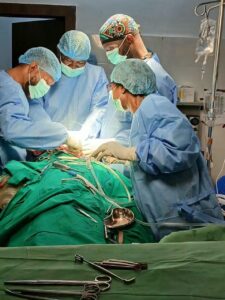
The Abia State Government has recorded a major breakthrough in healthcare with the successful performance of an emergency brain surgery on a 19-year-old accident victim at the Abia State Specialist Hospital and Diagnostic Centre, Umuahia, highlighting the growing capacity of the State’s health institutions to provide advanced and specialised medical care.
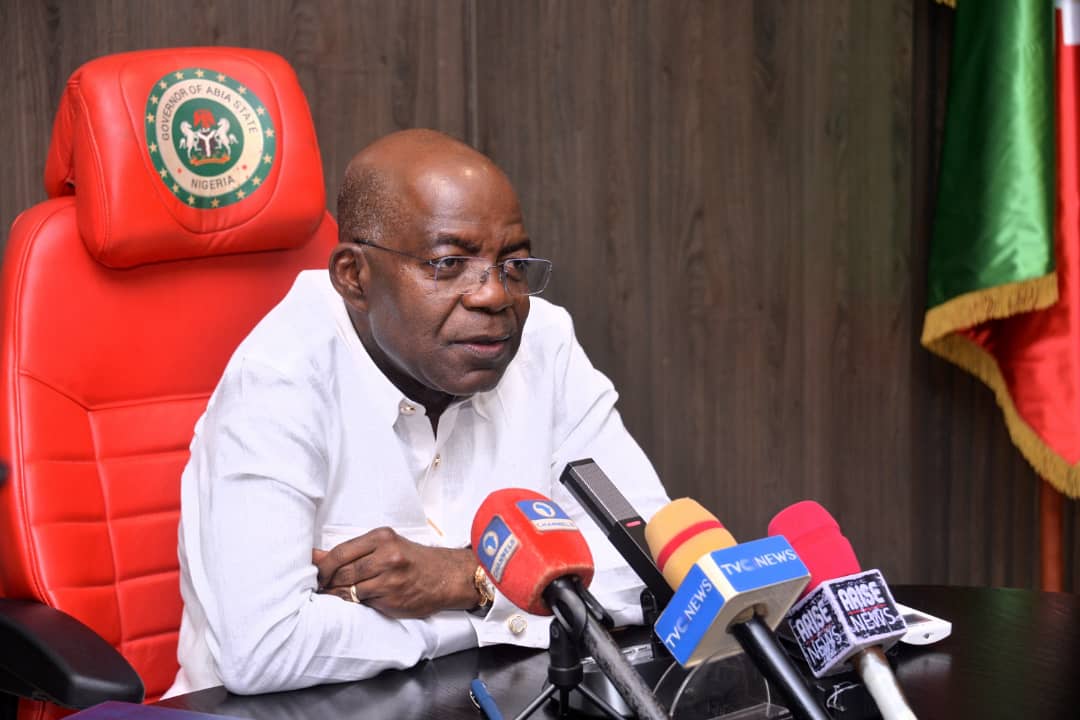
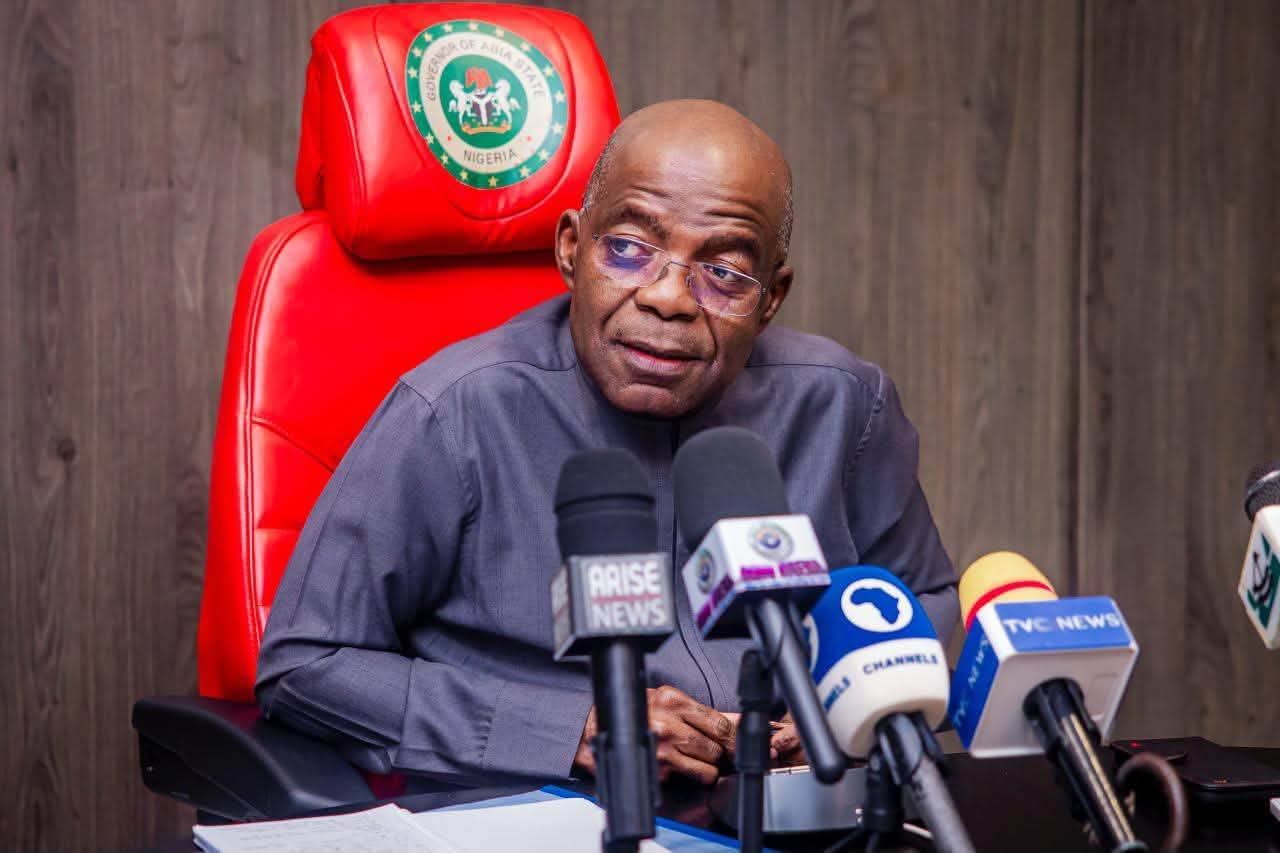
The Commissioner for Information disclosed this at a press briefing following the Executive Council meeting presided over by Governor Alex Chioma Otti, OFR, at the Government House, Umuahia.
The 19-year-old, who was involved in a motorcycle accident on Sunday, October 4, 2026, was rushed to the hospital in critical condition. Medical investigations revealed a massive collection of blood within his skull, placing severe pressure on the brain and requiring immediate neurosurgical intervention.
The emergency operation lasted about four hours, during which more than 100 millilitres of blood clot was evacuated from the patient’s brain and the bleeding controlled. He was subsequently transferred to the Intensive Care Unit for post-operative care and has commenced recovery, including movement of his limbs.
The successful intervention is significant because the availability of appropriate facilities, equipment and specialist personnel enabled the surgery to be performed immediately in Abia, eliminating the potentially fatal delay that could have arisen from referring the patient to another State.
The development is part of the sustained investment by the Otti administration in repositioning the State’s healthcare system over the past three years. Health institutions are being equipped to handle increasingly complex procedures, while specialist personnel are being engaged to strengthen the system’s capacity.
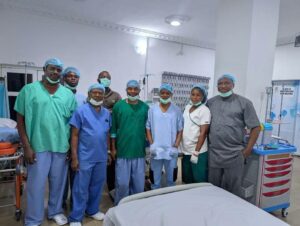
The Abia State Specialist Hospital and Diagnostic Centre has also recorded other successful specialised procedures performed by Nigerian specialists. Meanwhile, increasing healthcare investment is attracting support from development partners and international organisations.
A Swedish organisation has facilitated the provision of specialised medical equipment for trauma-related procedures, including orthopaedic, brain and spine surgeries. These interventions are contributing to the development of competency centres capable of providing specialised healthcare within Abia.
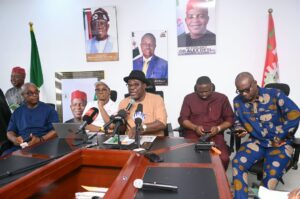
In another major healthcare development, the State Government has approved ₦502.1 million as counterpart funding under the Basic Healthcare Provision Fund, a payment critical to accessing the Federal Government’s allocation under the programme and sustaining healthcare services for vulnerable citizens, particularly pregnant women and children below five years enrolled under the health insurance scheme for vulnerable persons.
The State has also commenced activities for the 2026 World Sight Day, which runs until October 15, with emphasis on eye health, good vision and prevention of avoidable blindness.
The campaign is linking good vision with road safety, particularly among commercial drivers. Free eye screening is being provided at various locations across the State, with the Abia State Eye Health Management Bureau collaborating with the Ministry of Transport, the Federal Road Safety Corps and transport unions. A vision corridor will also be unveiled at the Nnenna Otti Bus Terminal to make eye assessment more accessible to drivers and encourage regular checks.
Government is equally providing health interventions in communities affected by the recent flooding to reduce health hazards and prevent possible disease outbreaks. During the period under review, no cases were recorded of diseases of public health importance, including Lassa fever, Ebola, diphtheria and COVID-19.
On housing, the application process for houses at Pocket Layout has been oversubscribed, indicating strong interest from Abians and residents. Analysis of the Expression of Interest forms is ongoing as the relevant authorities process the submissions.
The government has also conducted a Needs Assessment of the World Bank Estates in Aba and Umuahia and the IBB Layout in Umuahia. Preliminary interventions are already being undertaken in critical areas, particularly road infrastructure and solar street lighting, alongside other measures addressing needs identified during the assessment.
However, the government has revoked the building permit for TradeMore Housing Estate, Ubani, Umuahia, following the discovery of serious planning and regulatory infractions.
The Umuahia Capital Development Authority (UCDA) conducted an inspection following complaints from residents about flooding and defective structures and found that the developer’s original application was for only two structures — a semi-detached two-bedroom bungalow and a three-bedroom bungalow — despite the subsequent development of an entire estate.
The application was also found deficient in critical planning requirements, including survey and site plans, site analysis, layout plan, environmental impact assessment, evidence of administrative fee payments and technical inputs from relevant professionals and government agencies.
The building permit has therefore been revoked, with further steps to address the issues to be communicated.
The UCDA further clarified that although approval for development of the property was granted in March 2015, the developer approached the authority in 2024 seeking approval to build a market on the site. The proposal was rejected because it was inconsistent with the approved agricultural use of the land.
A subsequent inspection found ongoing construction, prompting the authority to issue a stop-work order. Officials attempting to enforce the order were reportedly attacked and rescued through the intervention of Operation Crush. The property has since been sealed and the permits revoked.
Government, however, remains concerned about individuals who may have purchased property within the estate and is working towards resolving the situation, with further communication to follow.
On the persistent flooding in parts of Umuahia, Governor Otti has directed the establishment of an inter-ministerial committee comprising the UCDA and the Ministries of Works, Environment and Lands.
The committee has two weeks to submit a comprehensive report and lasting solution to the perennial flooding affecting Ogurube and Ehimiri layouts.
The administration is seeking a coordinated and sustainable solution to recurring flooding and erosion rather than temporary interventions.

Significant progress has also been recorded on the Emede-Ibeku flood and erosion control project. Clearing of erosion sites is 100 per cent complete, lateral filling is about 90 per cent complete, excavation for drainage approximately 95 per cent complete, while concreting of drainage structures has reached about 90 per cent.
Government expressed optimism that residents of affected communities would soon begin to benefit from the intervention.
The State Government has also issued its Week 40 public health advisory, with specific recommendations for communities affected by flooding. Residents in flood-prone areas have been urged to observe appropriate health and safety measures as government continues efforts to mitigate the impact of flooding and prevent disease outbreaks.
In the area of social protection, the Ministry of Poverty Alleviation and Social Protection has received nine additional Abia indigenes returning from the Republic of South Africa within the past two weeks.
The returnees comprise one adult male, three mothers, four children and one infant, all of whom have been successfully reunited with their families.
The State Government is also preparing to facilitate the return of approximately 100 additional Abia indigenes from South Africa in the coming weeks, with documentation and other arrangements already underway.
The developments reflect the broad approach of the Alex Otti administration to governance, combining investment in specialised healthcare with housing development, infrastructure renewal, flood and erosion control, social protection and enforcement of planning standards.
The growing interest in the Pocket Layout Estate, ongoing interventions in existing residential estates and the expansion of specialised healthcare services further underscore the administration’s stated commitment to improving living conditions and strengthening public institutions.
The emerging New Abia agenda, therefore, extends beyond physical infrastructure to include expanded access to quality healthcare, properly planned residential communities, protection of lives and property, stronger regulatory institutions and responsive government.
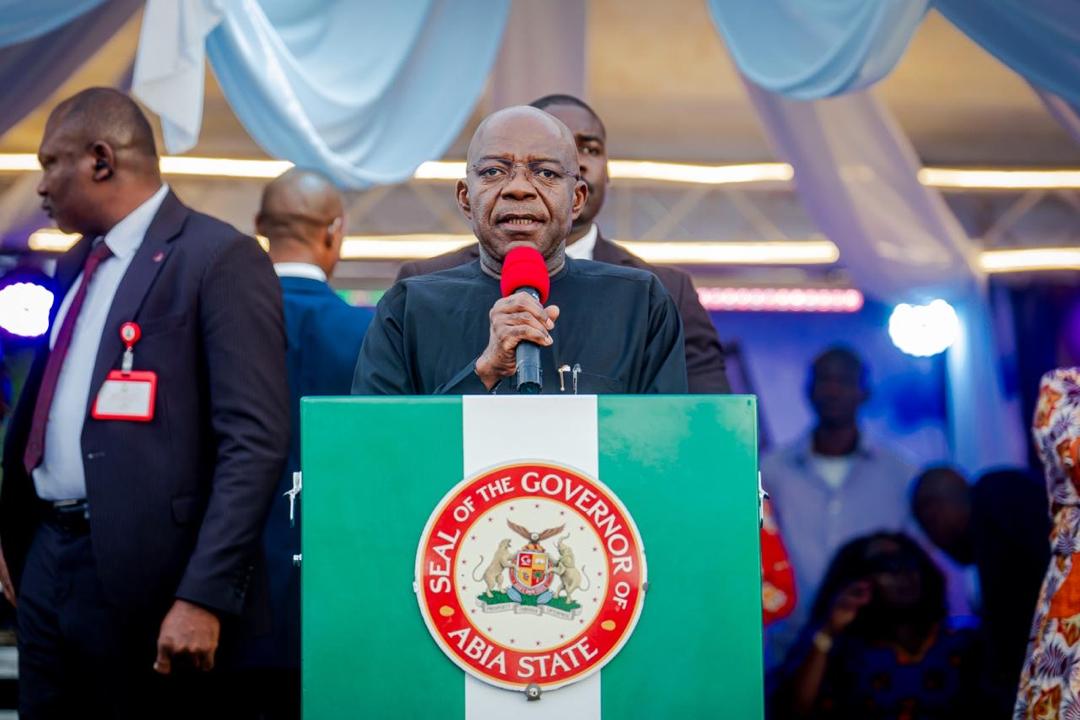
Ahead of the 2027 governorship election, political stakeholders backing Governor Alex Otti have intensified mobilisation across Abia, with the Abia North Alliance for Good Governance and the Nsulu Labour Party Stakeholders Forum separately unveiling strategies to secure his re-election and sustain the administration’s development agenda.
At a meeting in Ugwueke, Bende Local Government Area, the Abia North stakeholders reaffirmed their support for Otti, saying they would strengthen grassroots voter education and mobilisation ahead of the election. The meeting followed an earlier gathering in Abiriba where the group first declared its support for the Governor.
Presenting the group’s communique, its Secretary and Spokesperson, Prof. Mkpa Agu Mkpa, said members considered the present administration a model of good governance and resolved to work for continuity beyond 2027.
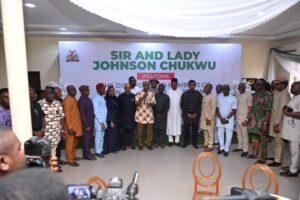
He said the Alliance would focus particularly on voter education at the grassroots and among less-literate voters, while encouraging youths to participate responsibly in the electoral process.
Former Minister of State for Mines and Steel Development, Dr. Uche Ogah, said stakeholders had political structures that would be deployed to the grassroots to mobilise support for the Governor.
Former FBN Holdings Group Managing Director, Elder Urum Kalu Eke, also expressed support for the administration’s record, citing Governor Otti’s background in the private sector.
The convener of the Alliance, Chief Ebueme Ezikpe, and the host, Sir Johnson Chukwu, said the group was not a political party or a platform for government contractors, but a coalition of opinion leaders seeking continuity in what they described as good governance.

Meanwhile, the Nsulu Stakeholders Forum of the Labour Party has also commenced preparations for the 2027 election, with its apex leader and Chief of Staff to the Governor, Pastor Caleb Ajagba, urging members to strengthen their structures at the ward and polling-unit levels.
At a strategic virtual meeting, Ajagba charged the 69-member forum to remain united, law-abiding and focused on grassroots mobilisation, voter education and support for the Governor and other Labour Party candidates. A similar Nsulu Labour Party stakeholders’ summit earlier in September also emphasised unity, grassroots mobilisation and participation in the 2027 election.
The forum subsequently constituted committees on Empowerment, Voter Education/Sensitisation, Mobilisation and Security, while adopting a three-month programme running from September to November.
Chairman of the Nsulu Stakeholders Forum, Dr. Chris Ugwumadu, urged members to justify the confidence reposed in them by providing effective leadership in their respective communities.
Contributing, Dr. Charles Ogugbuaja commended the organisation of the Labour Party stakeholders in Nsulu and called for increased grassroots communication on the administration’s projects and programmes.
The two engagements underscore the growing political activity among groups supporting Governor Otti as preparations gather momentum for the 2027 governorship election.

-
 BURNING ISSUE3 months ago
FG, UNDP, TETFUND And Governor Otti Launch Manu-Tech UniPod, Says Innovation Will Power Abia’s Next Industrial Revolution
-
 BURNING ISSUE4 months ago
Abia Strengthens Security Architecture With Okada Restrictions, Citizen’s Engagement Centre, And Statewide Digital Connectivity Drive
-

 Education3 months ago
NSCDC, CDOWA Launch Statewide Safe School Campaign In Abia, Donate Educational And Sanitary Materials To Students
-
 NATIONAL NEWS3 months ago
NSCDC Strengthens Private Security Regulation In Abia …Moves To Enhance National Security Architecture
-

 BURNING ISSUE3 months ago
Tinubu, Obasanjo, Dame Patience Jonathan, Otti Lead National Tribute To Aguiyi-Ironsi At 60th Memorial Thanksgiving
-

 Uncategorized4 months ago
Abia Government Cracks Down on Okada Operations in Major Cities, Violators Risk Arrest and Confiscation
-

 BURNING ISSUE2 months ago
Abia State Celebrates 35 Years With Project Commissioning, Healthcare Expansion, Technology -Driven Services
-
 BURNING ISSUE2 months ago
Abia Begins Payment of 10-Year-Old Gratuity Arrears, Tackles N61.8bn Legacy Liability