
BURNING ISSUE
Tapping Into The Next Frontier : Leadership And The Imperatives Of New Development Paradigm For Africa

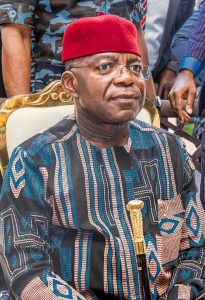
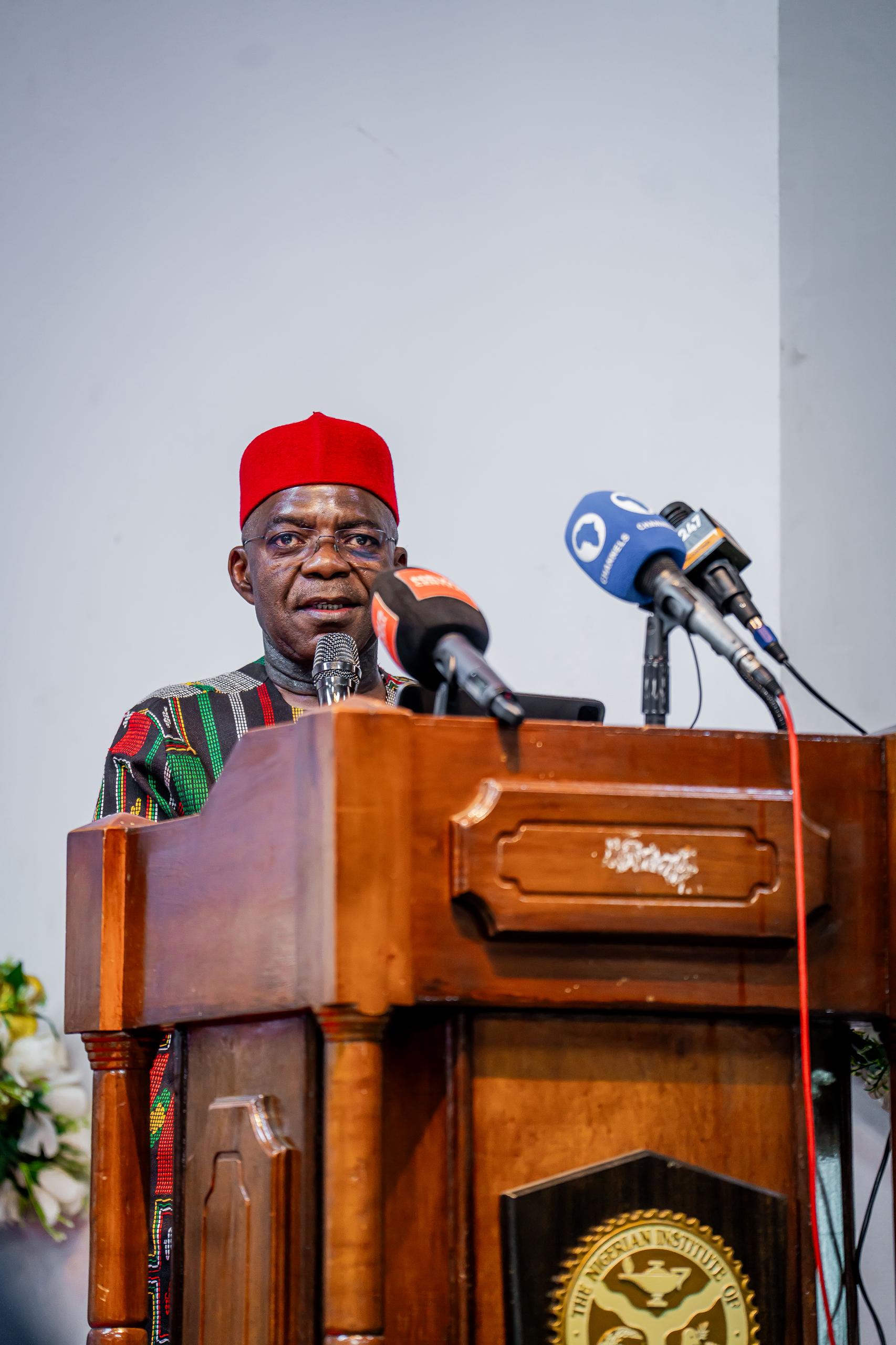
Being the Text of a Keynote Speech by Governor Alex C. Otti, OFR, at the 2024 Innovate Africa Conference 2024 on Friday, September 13, 2024, at the George Washington University, DC, United States.
Protocols,
1. There is a general consensus amongst development experts, scholars and investors that Africa offers two very strategic prospects for the future of our civilisation. Firstly, the vast deposits of highly-priced mineral resources buried in our soil are becoming increasingly critical in the continuing push to build a more sustainable future for the human race. Secondly, and more importantly, Africa’s expanding youth population offers an assurance of a steady market and labour supply to keep the wheels of global economic machinery in continuous motion.
2. Even then, every honest and realistic assessment of Africa must take cognisance of its many troubles, especially poverty, which presents a brutal affront to the dignity of our people. The ugly challenge of political instability also besets our continent as millions begin to lose faith in the promises of democracy after decades of failed expectations. In several parts of the continent, the crisis of national identity remains unresolved, making it difficult to build consensus on any development agenda for reasons of mutual suspicion and distrust.
3. Africa certainly is a land of endless opportunities. However, it is also a deeply troubled place with age-old political, economic, and cultural setbacks. These challenges impede its developmental aspirations. Our challenges cannot be divorced from a combination of internal and external factors. A seemingly intractable problem of corruption, abuse of public trust, and administrative incompetence have contributed extensively to keeping Africa unproductive and poor. One can also add that the dynamics of modern geopolitics expressed through the ravenous appetite for influence, resources, and ultimate control by the big global players have made Africa’s problems more complex in the modern era.
4. Multiple internal and external actors with genuine interest in the continent’s development have made several attempts to fix Africa. Still, it would be difficult to argue that such initiatives have yielded significantly tangible outcomes. From west to central Africa to the east and southern parts of the continent, not much has changed in the last six decades as we continue to witness crisis of poverty and unemployment, currency devaluation and inflationary pressures, insecurity and failure of critical institutions to serve the genuine needs of the people effectively. This chain of failures has forced some of our best and brightest minds to, sometimes at great personal risks, take their destiny in their own hands by just opting to go elsewhere.
5. It is a shame to see thousands of Africans trekking what can literally be described as the path of death to escape the harsh reality of our motherland. The sense of failure becomes more heart-wrenching when we think about the sacrifices many young people have to make before taking to the sands of the Sahara Desert or any of the other risk-laden channels to cross to other continents in pursuit of a better life.
6. Why, I often ask myself, would millions of young Africans travel through hell to find hope outside the African continent? Perhaps today’s event will offer us the opportunity to understand why, for several decades, we have not been able to build in Africa an environment that supports the dreams of millions of energetic, industrious and very determined Africans.
7. We have tried, albeit in vain, to explain away our failure to build a supportive environment for our people’s dreams. Since the mid-1970s, scholars and public commentators have blamed our woes on the unending impact of historical events like the Berlin Conference of 1885, the transatlantic slave trade, the incursion of colonial actors, and the continuing meddling of the former colonialists in Africa’s internal affairs.
8. In all these, one sees blame and finger-pointing. Intellectuals with interests in Africa love to regale their audience with fantastic explanations about the role of powerful interests at different epochs in subjugating Africa and exploiting its resources for development elsewhere. To these intellectuals, Africa’s unending setbacks on the political and economic fronts cannot be separated from the insatiable greed of those who control world politics and economic systems.
9. Even with changes in diplomacy’s tone and a new doctrine of engagement that encourages respect for every nation’s sovereignty, the cynics remain convinced that Africa has not actually been freed from the strings of the powerful global interests that, they allege, are strongly opposed to an economically viable and politically stable Africa.
10. Intellectual conversations around the development problems of post-independence Africa have been dominated by finger-pointing, blame trading, and, most recently, disillusionment. Strangely, one thing we often see very little of in these conversations is a resolute decision to take responsibility, look inward, and ask a few soul-searching questions about how our actions and inactions as Africans have contributed to the challenges.
11. On this note, distinguished ladies and gentlemen, I am honoured to welcome you to the 2024 Innovate Africa Conference. May I seize this opportunity to thank the young, brilliant minds who have created this robust platform for leaders from various walks of life to come together, share ideas, and ultimately take responsibility for the future of our beautiful continent. Let me also appreciate fellow conference speakers with whom I will be privileged to share this extraordinary platform. Special commendations are due to everyone connected to this project for their demonstrable commitment to re-writing the story of our land through strategic repositioning, broader stakeholder engagement, and structured partnerships.
12. The significance of today’s gathering is in the opportunity it offers accomplished leaders in the public and private sector ecosystems across Africa to share their experiences with students, start-up entrepreneurs, activists and all who seek transformative changes in the continent’s fortunes. This gathering points to our collective hunger for true reawakening in our continent. I am very excited that this initiative is driven by young people who have elected to go beyond just rehearsing old defeatist pity-party tales but are instead taking the bull by the horn through robust engagements and exchanges that will ultimately bring about a new awareness of the powers that we have as Africans to drive the long term transformation of the continent.
13. My expectation at the end of this conference is that each of us will go home with a new conviction, a firm determination to fight for the future of our continent, and make our voices heard where it matters the most. The fruits of today’s interactions will hopefully provide us the leverage to make the most of the existing and emerging opportunities in technology and clean energy sectors to break old barriers and build new bridges. I am very optimistic that we shall return to our various stations tomorrow morning with a renewed commitment to pour ourselves into the work of building a new Africa where dreams are actualised and lived to the fullest.
14. Today, we shall be discussing the role of leadership in building a New Africa that speaks to our collective dreams. Our idea of leadership here is hardly about positions and offices, as we often restrict the term. We want to go in a different direction by broadening the concept to include every adult with some form of responsibility to others in formal and informal institutions.
15. The motivation is to create a new consciousness that places the community above the individual and instils in us the discipline to think beyond the hunger and the exigencies of the moment. It is about building a new character that places self-restraint over greed — that stubborn desire to suppress our consciences and appropriate what belongs to the community to ourselves.
16. The message is that we are all uniquely crucial in determining what images we want to see from Africa in the future. Do we want to keep seeing portraits of hungry, mal-nourished, disease-ravaged children or those in very conducive classroom environments, learning through practical, hands-on activities? Shall it remain images of women and children fleeing the scenes of war or those living peacefully in their communities? Will it be haunting pictures of teenagers in the trenches fighting guerrilla warfare in pursuit of religious and political ideologies they do not even understand or those working hard in conventional and informal training institutions to develop themselves in readiness for the opportunities of the future? Shall we keep seeing pictures of young people emptying into the streets in destructive protests or those working in tech hubs where world-class ICT solutions are developed? So today, we ask ourselves, what do we want to be in terms of the most dominant image of Africa in the next decade?
17. For me, I would like to see an Africa where the school teacher is treated with the same respect as a politician or a successful businessman. My idea of a working Africa is one where schools and hospitals are considered more important than expensive toys purchased at public expense for political office-holders. In the new Africa, the security and welfare of the citizens shall be considered more important than the perks for the political elites. Our dream Africa is a place where all of us, no matter where we live or the size of our bank accounts, are able to retire to a good night rest, certain that when we wake, concerns about the source of the next meal will not compel us to do what we should not do. We want an Africa where the average kid growing up in Aba or Oshodi can compete effectively with their peers from Shanghai or Oxford.
18. How do we go from where we are to where we wish to be? Again, the answer is in Leadership — taking responsibility for the outcomes we seek, how we interact with our environment and ultimately, the quality of decisions we make in our day-to-day activities. Leadership is about character, how we respond to opportunities, and the attitude we bring to what we do. It is in how we treat the weak and the vulnerable in our midst, how we respond to the challenges that each day brings, how we interpret reality and the message we transmit to others through what we say and do.
19. Leadership is also about upholding public trust and deploying public resources to achieve critical social outcomes. It is in our choices at the polls when we vote for our leaders. Are we often driven by ethno-religious sentiments, or do we objectively assess candidates when it is time to vote? Are you one of those who insist that only politicians who share the same ethnic or religious identity with you are worth supporting?
20. I often find it strange that we elect incompetent leaders at the polls and turn around to blame others for the woes of our countries. No society has ever risen beyond the quality of its leadership, and there is no proof that Africa will be different. We cannot elect provincial leaders and expect to play in the same league as nations that are very painstaking in their leadership selection process. The point must be made that no fundamental transformation can come from leaders who have not passed the integrity, competence and compassion test.
21. Across Africa, we find endless instances of leadership failure. The images of desperate young people taking impossible routes to escape the harsh realities at home offer a severe indictment of the quality of leadership we have had over the years. The same can be said of our alarming statistics on poverty, hunger, unemployment, inflation, balance of trade deficit, poor state of public infrastructure, and collapse of critical state institutions.
22. To begin the rebirth process in Africa, we must admit that we have not done so well as stakeholders, except, of course, the young people who have brought us here to paint a new portrait of the future. Even then, many young people, especially a few with great reach and influence, have also failed to live up to expectations. These are the ones who run dirty errands for politicians, unleashing violence on innocent citizens, spreading falsehood through media channels, and selling their conscience for money in the causes and characters they promote. It bears repeating that no progress can be made in a society where there is a price for everybody, opinions are for sale, and truth means little to those who shape public opinions. How about those who trade their votes for favours right at the polling unit? Shall we talk about the electoral administrators who manipulate figures to proclaim losers winners in elections? Do we also blame external forces for the unrest and upheavals caused by these unpatriotic individuals?
23. To be clear, it would be foolhardy to suggest that there are no foreign actors with vested interests in Africa. For this group, their biggest nightmare is Africa, where the leadership serves the broad interest of the majority of the local population. Coups have been planned and executed to remove certain leaders. At the same time, there has been foreign interference in our local elections in support of candidates whose loyalty may lie outside Africa. There are historical anecdotes to support the role of foreign actors in undermining Africa’s economic and political interests through various means that stretch from lop-sided mineral exploration deals to sponsorship of civil unrest.
24. However, these interferences occur only because there are willing local collaborators. It may not be very pleasing to the ears, but the truth is that the world runs on pragmatism, not sentiments. Global actors are always on the lookout for opportunities to advance their national interests, even if it means cheating, lying or presenting a false front. Morality is the last thing that is considered in the wheeling and dealing dynamics of international politics. Only interests count. Unfortunately, many of us in Africa are yet to understand how these games are played to be able to protect ourselves from being victims of the very dangerous schemes that often involve exploitation, extortion, and similar under-hand dealings.
25. My argument is that we need to wake up, get our acts together and come to terms with the fact that only Africans can save Africa. We are the only ones who have the genuine motivation to tackle Africa’s age-old challenges of poor resource mobilisation and utilisation. Today’s gathering has brought together leaders in various important ecosystems, including politics, finance, energy, academia, law and jurisprudence, amongst others. It is also exciting to see the desire of the African diaspora communities across the developed world to make an impact in our motherland. Our task at the end of today’s engagement is to come to a consensus on what we need to do in the months and years ahead to grow this new consciousness about the role of leadership in reshaping Africa’s future.
26. This brings me to the subject of democracy. Most of the time, we limit the more considerable import of democracy to mere voting and the routine events of winning or losing elections. This is a very parochial interpretation of democracy, partly why we have not made substantial progress, not minding the frequency of elections.
27. Democracy is about holding leaders to account, asking questions where necessary and insisting that those in leadership positions can only pursue causes that align with the genuine aspirations of the majority. Democracy has no room for docility because human beings, especially those in privileged positions, are often prone to complacency and hubris. The duty of citizens in a democratic society is to keep a constant eye on what the leader does and ring the alarm bell as soon as evidence of poor judgment in resource utilisation is established.
28. Technology has made the democratic space larger and given us the voice we never had before now. Through different media platforms, we can share our collective concerns and compel the political elites to be accountable. I believe that with a smart device, any of us can do so much good for the continent, whether it is calling out leaders for poor judgment, whistle-blowing or bringing the whole world’s attention to positive or negative developments in our communities. Yes, we can use our social media platforms to also tell the world about the good things happening in our communities because, ultimately, the responsibility of telling a balanced story of Africa falls on all of us. I must, however, observe that in some cases, these platforms have been used to churn out fake news, propaganda and falsehood which makes some people pay little attention to it.
29. Many across the continent are understandably losing faith in democracy and openly calling for other forms of government, including a military takeover of power. This, to say the least, is most unfortunate. It is an indictment on the leadership, but it also speaks to the anger and frustration of the ordinary people who have become victims of the greed of political elites. The people are no longer comfortable paying for the ostentations of the leaders, and no matter what anybody thinks or says, when human beings are desperate to meet their basic needs, any other option but what is available becomes worth trying.
30. There is, therefore, a growing need to save democracy in the continent, for that is the only way to guarantee inclusive growth and development. As I had hinted, we must think beyond winning and losing elections. It has become necessary to take the long view of our roles as citizens, the leadership selection process, the quality of individuals we promote for public offices, and our disposition to electoral outcomes. Violence has no place in a democracy, but such events can only be avoided by making the electoral process transparent through institutional mechanisms that are difficult to manipulate.
31. The fruits of development can only mature in an environment of trust — trust in institutions, processes and systems. The investments that will stimulate improved living conditions for Africans can only happen when investors believe that the system is transparent and supportive. We will only be deceiving ourselves if we imagine that anyone will put his money in a system that thrives on bribery and nepotism — where contract terms are violated at will without any clear path to justice.
32. The African diaspora community is already doing a lot through remittances and investments in social and economic sectors such as health, education and hospitality. However, one can say with certainty that our brothers and sisters in the diaspora have what it takes to independently fund the holistic transformation of the continent if we set up structures that offer better rewards for those who see Africa beyond the regular stereotypes of poverty and instability.
33. With over US$100 billion in remittances in 2023, I believe we can double this figure in the next five years by initiating new development projects that promise not just financial returns but also job creation, community support, and improved social outcomes for targeted groups such as young people and women. Renewable energy, housing and real estate, hospitality, finance for rural women, ICT, and agriculture are excellent prospects where we can attract generous diaspora capital by simply creating structured incentive systems.
34. Beyond investments in areas of high financial returns, one of the immediate action points I would recommend is a deliberate investment in civic education, a call to teach our young ones the duties, obligations and responsibilities of citizenship. We need leaders who are zealous about the development of all the countries in Africa and passionate individuals who are willing to make whatever sacrifices are required to build a better society. Our role as persons of influence is to look for promising young people to mentor and support them to become change agents in their communities.
35. Lastly, it has become imperative to reignite the Pan-African spirit. As individuals and groups, we must start thinking Africa and how to change how the world sees this beautiful continent. Our entertainers and story-tellers have taken the lead in projecting a new image of the continent, but we must be prepared to do a lot more. There is also good news coming from the tech ecosystem, from Lagos to Nairobi, Accra to Cairo and across our major cities. Something extraordinary is happening, and our young people are at the heart of it — building intelligent solutions that are changing how we interact with individuals and institutions. We shall do well to take an active interest in what is happening in the tech ecosystem at home and identify investment opportunities to create a larger pie for everyone.
36. In Abia State, where I have the privilege of serving as governor, we are working hard to create a model society that runs on the enterprise, energy and resilience of our people. In the last 15 months, we have made unprecedented investments in our critical infrastructure to improve the business environment and we will continue to so make.
37. We are determined to make Abia an investment destination in the region, creating new opportunity zones for dreamers across the continent. Our administration is very open to doing business with the African diaspora community because we share the same passion for seeing Africa work. As many in this auditorium know, Abia and its major city, Aba, mirror much of Africa, and whatever happens in the State is bound to reverberate across the continent.
Thank you for listening, and may God bless you all.
Dr Alex C. Otti, OFR,
13/09/2024
BURNING ISSUE
Abia Records Healthcare Breakthrough As 19-Year-Old Accident Victim Undergoes Successful Brain Surgery

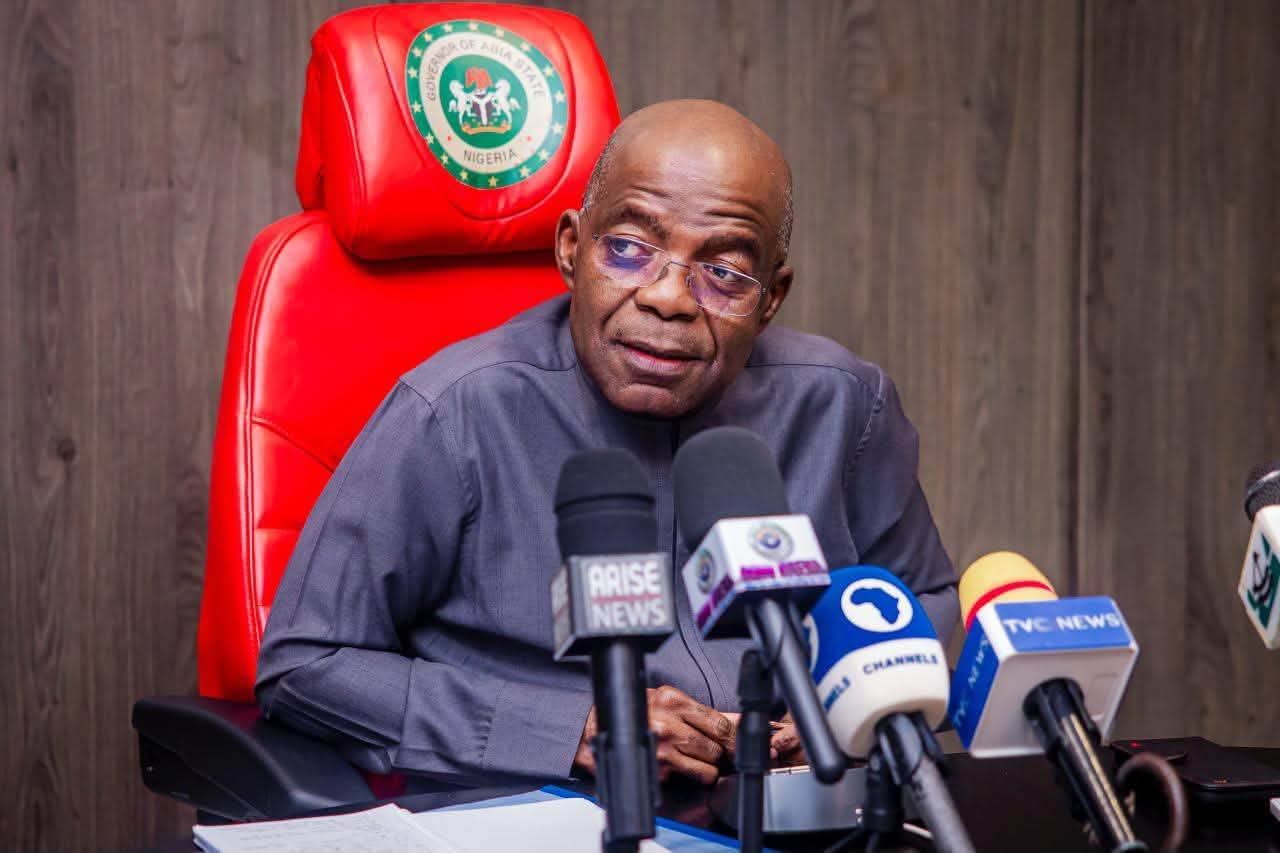
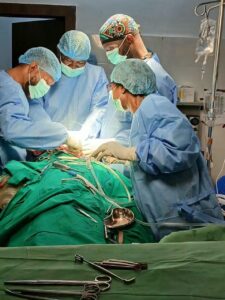
The Abia State Government has recorded a major breakthrough in healthcare with the successful performance of an emergency brain surgery on a 19-year-old accident victim at the Abia State Specialist Hospital and Diagnostic Centre, Umuahia, highlighting the growing capacity of the State’s health institutions to provide advanced and specialised medical care.
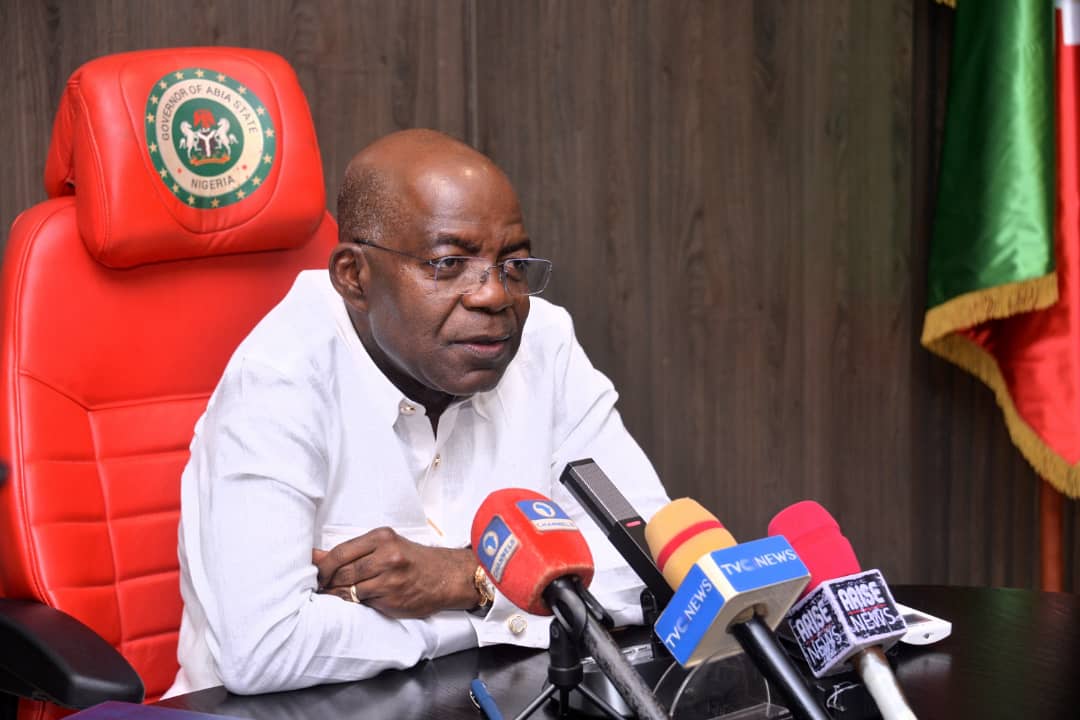
The Commissioner for Information disclosed this at a press briefing following the Executive Council meeting presided over by Governor Alex Chioma Otti, OFR, at the Government House, Umuahia.
The 19-year-old, who was involved in a motorcycle accident on Sunday, October 4, 2026, was rushed to the hospital in critical condition. Medical investigations revealed a massive collection of blood within his skull, placing severe pressure on the brain and requiring immediate neurosurgical intervention.
The emergency operation lasted about four hours, during which more than 100 millilitres of blood clot was evacuated from the patient’s brain and the bleeding controlled. He was subsequently transferred to the Intensive Care Unit for post-operative care and has commenced recovery, including movement of his limbs.
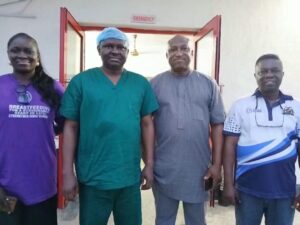
The successful intervention is significant because the availability of appropriate facilities, equipment and specialist personnel enabled the surgery to be performed immediately in Abia, eliminating the potentially fatal delay that could have arisen from referring the patient to another State.
The development is part of the sustained investment by the Otti administration in repositioning the State’s healthcare system over the past three years. Health institutions are being equipped to handle increasingly complex procedures, while specialist personnel are being engaged to strengthen the system’s capacity.
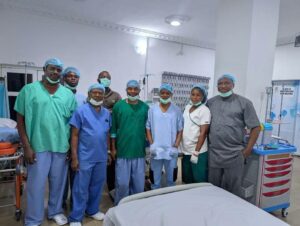
The Abia State Specialist Hospital and Diagnostic Centre has also recorded other successful specialised procedures performed by Nigerian specialists. Meanwhile, increasing healthcare investment is attracting support from development partners and international organisations.
A Swedish organisation has facilitated the provision of specialised medical equipment for trauma-related procedures, including orthopaedic, brain and spine surgeries. These interventions are contributing to the development of competency centres capable of providing specialised healthcare within Abia.
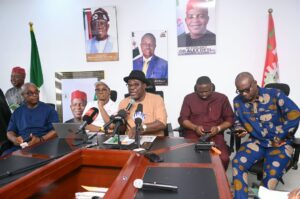
In another major healthcare development, the State Government has approved ₦502.1 million as counterpart funding under the Basic Healthcare Provision Fund, a payment critical to accessing the Federal Government’s allocation under the programme and sustaining healthcare services for vulnerable citizens, particularly pregnant women and children below five years enrolled under the health insurance scheme for vulnerable persons.
The State has also commenced activities for the 2026 World Sight Day, which runs until October 15, with emphasis on eye health, good vision and prevention of avoidable blindness.
The campaign is linking good vision with road safety, particularly among commercial drivers. Free eye screening is being provided at various locations across the State, with the Abia State Eye Health Management Bureau collaborating with the Ministry of Transport, the Federal Road Safety Corps and transport unions. A vision corridor will also be unveiled at the Nnenna Otti Bus Terminal to make eye assessment more accessible to drivers and encourage regular checks.
Government is equally providing health interventions in communities affected by the recent flooding to reduce health hazards and prevent possible disease outbreaks. During the period under review, no cases were recorded of diseases of public health importance, including Lassa fever, Ebola, diphtheria and COVID-19.
On housing, the application process for houses at Pocket Layout has been oversubscribed, indicating strong interest from Abians and residents. Analysis of the Expression of Interest forms is ongoing as the relevant authorities process the submissions.
The government has also conducted a Needs Assessment of the World Bank Estates in Aba and Umuahia and the IBB Layout in Umuahia. Preliminary interventions are already being undertaken in critical areas, particularly road infrastructure and solar street lighting, alongside other measures addressing needs identified during the assessment.
However, the government has revoked the building permit for TradeMore Housing Estate, Ubani, Umuahia, following the discovery of serious planning and regulatory infractions.
The Umuahia Capital Development Authority (UCDA) conducted an inspection following complaints from residents about flooding and defective structures and found that the developer’s original application was for only two structures — a semi-detached two-bedroom bungalow and a three-bedroom bungalow — despite the subsequent development of an entire estate.
The application was also found deficient in critical planning requirements, including survey and site plans, site analysis, layout plan, environmental impact assessment, evidence of administrative fee payments and technical inputs from relevant professionals and government agencies.
The building permit has therefore been revoked, with further steps to address the issues to be communicated.
The UCDA further clarified that although approval for development of the property was granted in March 2015, the developer approached the authority in 2024 seeking approval to build a market on the site. The proposal was rejected because it was inconsistent with the approved agricultural use of the land.
A subsequent inspection found ongoing construction, prompting the authority to issue a stop-work order. Officials attempting to enforce the order were reportedly attacked and rescued through the intervention of Operation Crush. The property has since been sealed and the permits revoked.
Government, however, remains concerned about individuals who may have purchased property within the estate and is working towards resolving the situation, with further communication to follow.
On the persistent flooding in parts of Umuahia, Governor Otti has directed the establishment of an inter-ministerial committee comprising the UCDA and the Ministries of Works, Environment and Lands.
The committee has two weeks to submit a comprehensive report and lasting solution to the perennial flooding affecting Ogurube and Ehimiri layouts.
The administration is seeking a coordinated and sustainable solution to recurring flooding and erosion rather than temporary interventions.
Significant progress has also been recorded on the Emede-Ibeku flood and erosion control project. Clearing of erosion sites is 100 per cent complete, lateral filling is about 90 per cent complete, excavation for drainage approximately 95 per cent complete, while concreting of drainage structures has reached about 90 per cent.
Government expressed optimism that residents of affected communities would soon begin to benefit from the intervention.
The State Government has also issued its Week 40 public health advisory, with specific recommendations for communities affected by flooding. Residents in flood-prone areas have been urged to observe appropriate health and safety measures as government continues efforts to mitigate the impact of flooding and prevent disease outbreaks.
In the area of social protection, the Ministry of Poverty Alleviation and Social Protection has received nine additional Abia indigenes returning from the Republic of South Africa within the past two weeks.
The returnees comprise one adult male, three mothers, four children and one infant, all of whom have been successfully reunited with their families.
The State Government is also preparing to facilitate the return of approximately 100 additional Abia indigenes from South Africa in the coming weeks, with documentation and other arrangements already underway.
The developments reflect the broad approach of the Alex Otti administration to governance, combining investment in specialised healthcare with housing development, infrastructure renewal, flood and erosion control, social protection and enforcement of planning standards.
The growing interest in the Pocket Layout Estate, ongoing interventions in existing residential estates and the expansion of specialised healthcare services further underscore the administration’s stated commitment to improving living conditions and strengthening public institutions.
The emerging New Abia agenda, therefore, extends beyond physical infrastructure to include expanded access to quality healthcare, properly planned residential communities, protection of lives and property, stronger regulatory institutions and responsive government.
BURNING ISSUE
MAN Commends Otti Administration’s Industrial Reforms, Cites Improvements In Abia’s Business Environment

 The Manufacturers Association of Nigeria (MAN) has commended the administration of Governor Alex C. Otti for significant improvements in Abia State’s industrial and business environment, citing developments in infrastructure, electricity, transportation, urban renewal, healthcare, education and enterprise support.
The commendation was made when the leadership of MAN’s Abia/Imo and Rivers/Bayelsa Chapters paid a courtesy visit to Governor Otti at his office in Nvosi, Isiala Ngwa South Local Government Area.
MAN’s Abia/Imo Chairman, Prince Obasi Ekeagbara, said manufacturers were already witnessing positive changes across several sectors of the State.
The recognition provides an important assessment of the administration’s economic direction, particularly its effort to shift Abia from an economy driven largely by trading and consumption towards one increasingly anchored on production, manufacturing, investment, employment and export competitiveness.
At the centre of the administration’s industrial agenda is the rebuilding of the infrastructure and policy environment required for businesses to operate, expand and compete.
According to MAN, improvements in roads, power, transportation, urban renewal and other critical sectors are beginning to address some of the longstanding constraints faced by manufacturers in Aba and other parts of the State.
Of particular significance is the administration’s drive to revive moribund industrial assets, including the Enyimba Garment Factory, Star Paper Mill and Afro Beverages.
MAN described the revival of such industries as a positive development capable of stimulating economic activity and creating employment, while also strengthening confidence among existing and prospective investors.
The administration has been pursuing improved power supply for industrial operators, including engagement around dedicated electricity through Geometric Power.
For Aba, whose entrepreneurial and manufacturing identity is deeply connected with small and medium-scale production, reliable electricity is critical to reducing operating costs, improving productivity and enabling businesses to compete more effectively.
The administration has also pursued improved access to finance through its partnership with the Bank of Industry. The Abia State Government has provided counterpart funding for a ₦10 billion BOI matching-fund initiative designed to support businesses across various sectors, with the first phase structured around government and BOI contributions.
Another aspect of the emerging business environment is the administration’s drive to harmonise taxation and eliminate multiple taxation. For manufacturers, greater clarity and predictability in revenue administration are essential to investment planning and long-term business decisions.
Governor Otti has equally warned businesses against making cash payments to unauthorised persons, stressing the need for a transparent revenue-collection system.
Beyond infrastructure, electricity and finance, the administration is seeking to strengthen the wider industrial ecosystem through platforms such as the Aba Trade Fair and the Export Growth Lab, supported by the United Nations Development Programme (UNDP), which is aimed at helping local producers improve product quality, packaging and competitiveness.
The administration’s position is that government should create the infrastructure, policy direction and enabling environment, while the private sector provides capital, innovation, production capacity and market discipline.

Governor Otti, while receiving the MAN delegation, challenged manufacturers to improve the quality, scale and competitiveness of locally produced goods and position them for wider domestic and international markets.
He urged businesses to take advantage of the opportunities being created by government while ensuring that their products meet acceptable standards.
The MAN delegation, however, also highlighted the broader challenges confronting manufacturers, including high energy costs, inflationary pressures, limited access to foreign exchange, financing difficulties, insecurity and demands from host communities.
The association consequently called for continued efforts to revive more moribund industries, establish industrial clusters across the three senatorial zones, strengthen action against unauthorised levies and provide additional support for distressed industries seeking to return to full production.
The recommendations align with the wider industrialisation agenda already unfolding in the State and underscore the need for sustained collaboration between government and the organised private sector.
For Abia, the significance of the MAN commendation extends beyond a single meeting. It points to an emerging effort to connect infrastructure, electricity, finance, skills, markets and public policy around the productive capacity of the State.
With Aba’s longstanding culture of entrepreneurship and manufacturing, the administration is seeking to transform that resilience into a more structured, infrastructure-backed and competitive industrial economy.
The ultimate objective is an Abia where businesses can move beyond survival to produce, employ, expand, compete and export, thereby contributing more substantially to the State’s economic development.
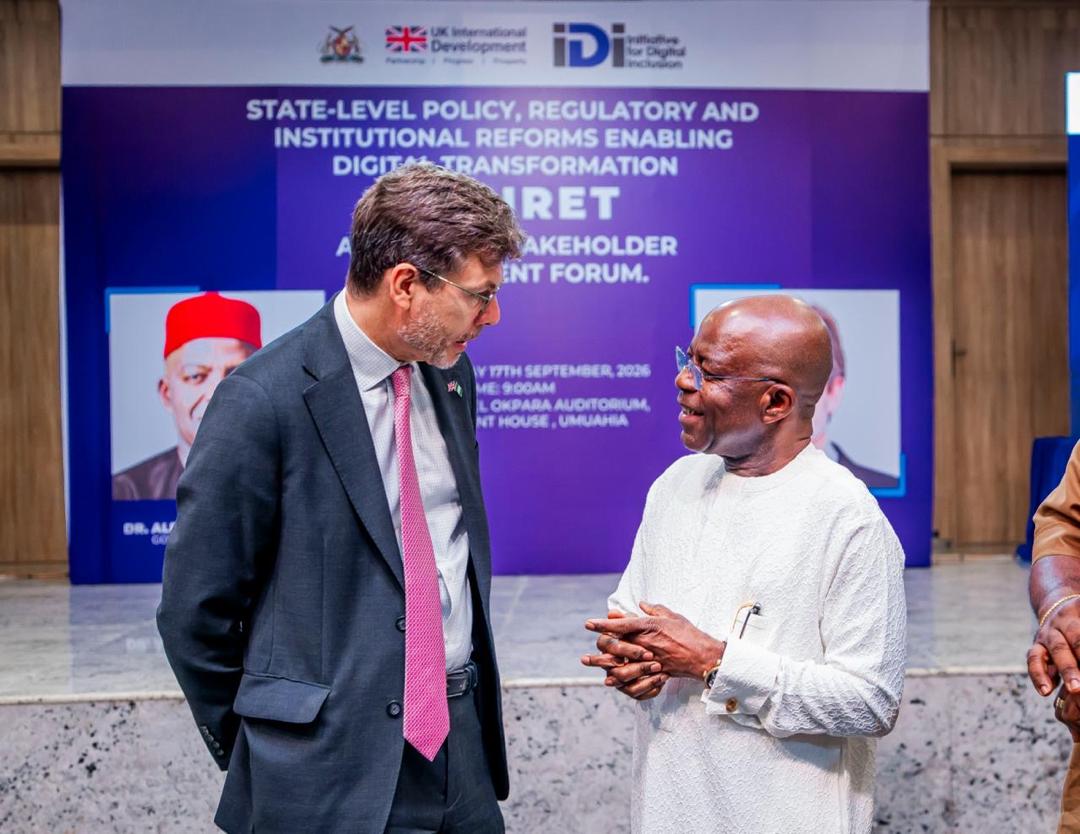
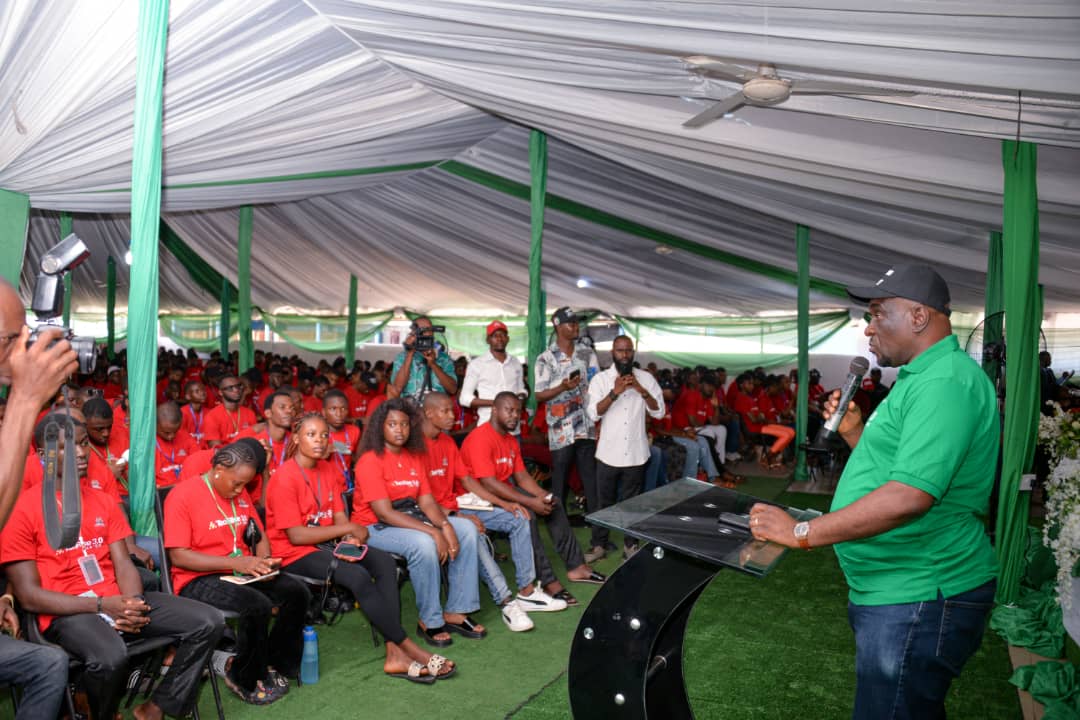
 Abia State Governor, Dr. Alex C. Otti, OFR, has called for stronger collaboration between government, the private sector and development partners to harness digital technology for economic growth, job creation and solutions to community challenges.
Governor Otti made the call while declaring open the State-level Policy, Regulatory and Institutional Reforms Enabling Digital Transformation (SPRIRET) Stakeholder Engagement Programme at the Michael Okpara Auditorium, Government House, Umuahia.
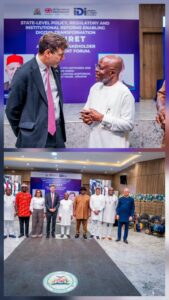
The Governor, who described technology as an indispensable accelerator of development, said Abia was committed to leveraging digital transformation to improve public services, reduce administrative costs, create jobs and attract investment.
“My charge to all of us, as I declare this event formally open, is to identify ways of leveraging the possibilities of digital technology to solve much of the real problems confronting our communities with particular attention to security challenges, unemployment, post-harvest losses for agro produce, urban property rentals, environmental degradation and other challenges that threaten our economic and social wellbeing.
He disclosed that the State’s TechRise programme had trained more than 2,200 young people in various ICT skills, while initiatives including ThriveAbia, Abia Digi-Upskill and Girls-in-ICT were expanding digital opportunities.
“This is the age of knowledge where wealth is tied to the capacity to create solutions that enrich the human experience. The task for us therefore is to identify the operational vehicles for harnessing the opportunities that have been offered us by the genius of technology and the limitless capacity that it holds for our social and economic transformation,” Governor Otti said.
Otti also highlighted the State’s Dig Once Policy, Startup Law, N2 billion startup support fund, Abia State Technological Skills Acquisition Centre and the N306 million Nkata technology-enabling business grant as measures designed to strengthen the technology ecosystem.
He said the SPRIRET initiative, supported by the United Kingdom’s Foreign, Commonwealth and Development Office (FCDO), would help Abia strengthen its policy, regulatory and institutional framework for a more connected and accountable digital economy.
The Governor commended the British High Commission for its support, noting that 500 Abia civil servants had previously benefited from a UK-supported digital transformation programme.
The British Deputy High Commissioner to Nigeria, Mr. Jonny Baxter, said the UK was pleased to partner with Abia, describing digital technology as a critical tool for improving public services, creating economic opportunities and strengthening government effectiveness.
“Digital transformation cannot be achieved by government alone. It requires collaboration and open dialogue,” he said.
Baxter disclosed that about 450 civil servants in Abia had received UK-supported digital skills training, while community-owned connectivity hubs were being developed at Okporoenyi and Arochukwu to expand affordable digital access and literacy.

He stressed that digital transformation required collaboration among government, the private sector, civil society, academia and the wider technology ecosystem.
The Chief Information Officer to the State Government, Mr. Gerald Ilukwe, said the programme would assess Abia’s digital ecosystem and identify areas requiring policy, regulatory and institutional improvements.
He disclosed that the FCDO Digital Access Programme was supporting five Nigerian states, including Abia, to undertake reforms aimed at accelerating digital development.
Governor Otti urged stakeholders to use the SPRIRET platform to develop technology-driven solutions to challenges including insecurity, unemployment, post-harvest losses, property rentals and environmental degradation, stressing that the ultimate measure of progress would be increased investment, employment and the contribution of the digital sector to Abia’s economy.
-
 BURNING ISSUE3 months ago
FG, UNDP, TETFUND And Governor Otti Launch Manu-Tech UniPod, Says Innovation Will Power Abia’s Next Industrial Revolution
-
 BURNING ISSUE4 months ago
Abia Strengthens Security Architecture With Okada Restrictions, Citizen’s Engagement Centre, And Statewide Digital Connectivity Drive
-

 Education3 months ago
NSCDC, CDOWA Launch Statewide Safe School Campaign In Abia, Donate Educational And Sanitary Materials To Students
-
 NATIONAL NEWS3 months ago
NSCDC Strengthens Private Security Regulation In Abia …Moves To Enhance National Security Architecture
-
 BURNING ISSUE2 months ago
Tinubu, Obasanjo, Dame Patience Jonathan, Otti Lead National Tribute To Aguiyi-Ironsi At 60th Memorial Thanksgiving
-

 Uncategorized4 months ago
Abia Government Cracks Down on Okada Operations in Major Cities, Violators Risk Arrest and Confiscation
-
 BURNING ISSUE2 months ago
Abia Begins Payment of 10-Year-Old Gratuity Arrears, Tackles N61.8bn Legacy Liability
-
 BURNING ISSUE2 months ago
Abia State Celebrates 35 Years With Project Commissioning, Healthcare Expansion, Technology -Driven Services