
HEALTH
ABSG To capture Primary Health Care Needs In Budget,Harps On The Need For Immunization

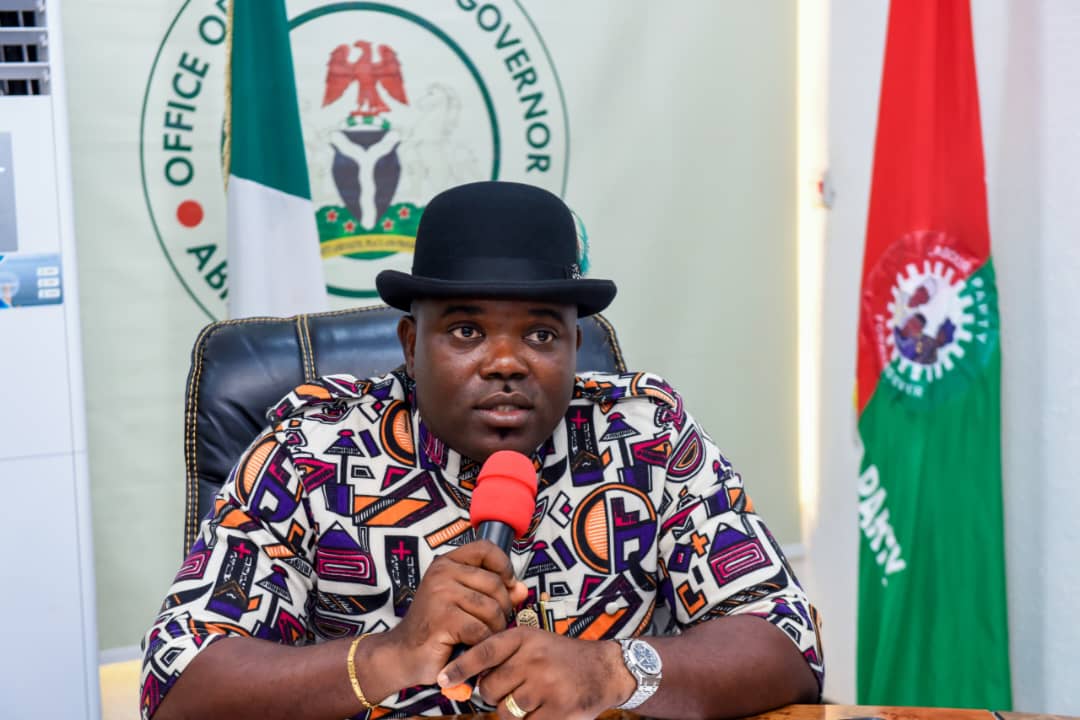

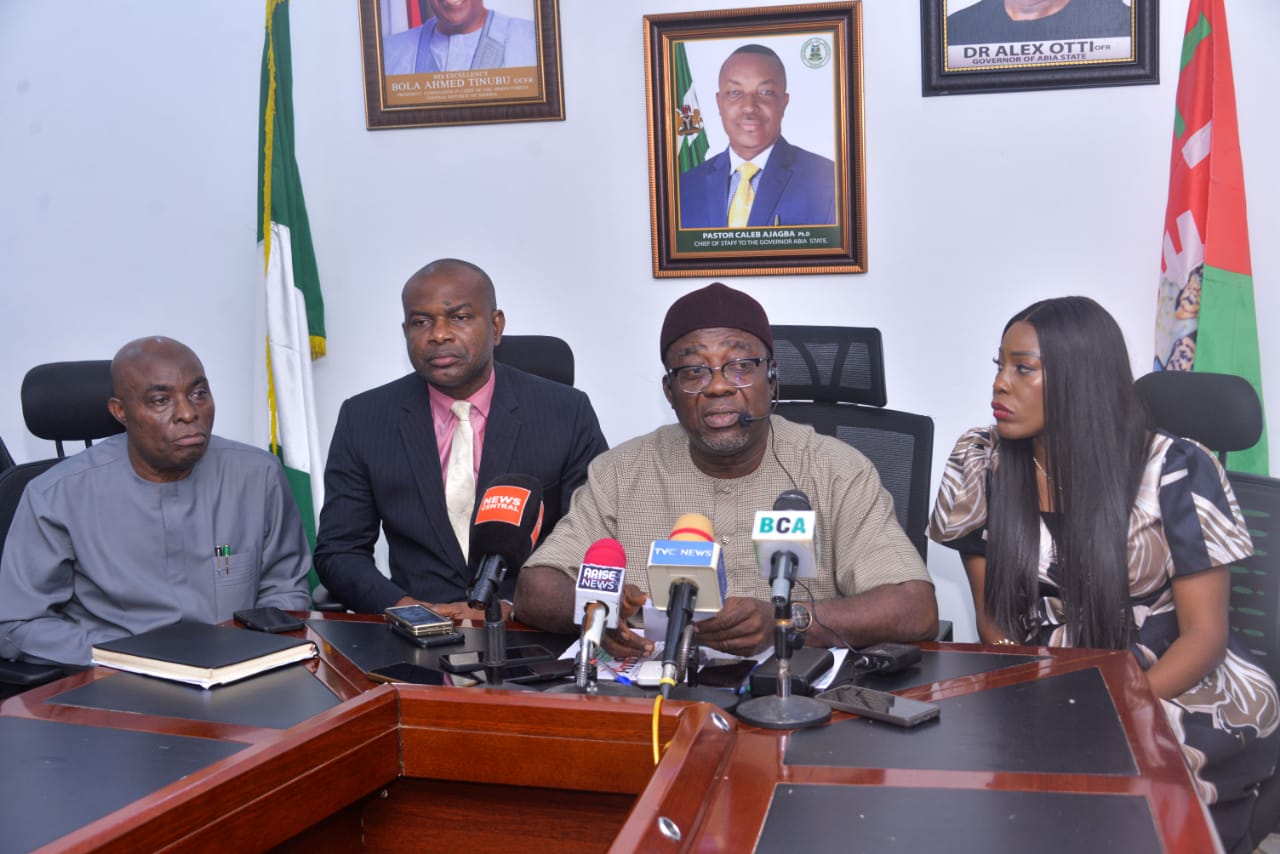
 In a bid to ensure that the people of Abia State has access to primary health care,the Dr Alex Otti led Government has promised to ensure that the basic needs of primary Health Care(PHC)is captured in the State’s Budget.
This was disclosed by the Deputy Governor of Abia State Engr Ikechukwu Emetu FNSE while having a meeting with the State taskforce on Primary health at the conference room at Deputy Governors Office,Government House.
Chief Emetu who is also the Chairman of the taskforce noted that the need for Primary Health care in Abia State to be effective should not be downplayed , therefore the need to tackle some of the challenges the taskforce outlined which he pointed out include equipment needs , limited resources/funding gap,Health workforce Shortages ,religious and cultural barriers to immunization and others.
Still speaking he pointed out that the Dr Alex Otti Government is interested in immunization and general health care of Abia people even at rural level hence his drive to create accessible road to rural communities and readiness to capture all the health care needs in the budget.
He enjoined the Primary Health Care Development Agency to work in collaboration with the task force,Religious leader and traditional rulers to ensure that cultural and social barriers are broken.
Earlier while giving opening remark,the
Executive Secretary Abia State primary health care development Agency,Dr Kalu U Kalu
exposed that the purpose of the meeting is to review the activities of primary Health care in the first quarter,know how far they have gone and faired,identify challenges and how to address them.
He opined that the state has taken into cognizance some of the earlier outlined challenges in the last meeting and is working on giving solutions to it .
Also speaking the Representative of WHO, Dr Jibril Akasim,the Representative
UNICEF ,Ephram Chukwu and the Representative of
NPHCDA , MR Bernard Egwu in their respective goodwill messages
promised that as partners of Primary Health Care (PHC), they will continue to support Abia government in provision of vaccines for immunization.They encouraged state government to put their health care environment inorder,make funds available on time and to deploy their health
care staff to rural area to ensure they are immunized and neo Natality reduced.The meeting had in attendance,the Deputy Chief Of Staff,Mr Chijioke nwankwo,the Chairman Association of Catholic Doctors,Dr Sam Ohaeri and others in attendance.
Amah Ijeoma
Deputy Governors Office
23/04/2025



CONFERENCE
Otti Hosts CMDs, MDs in Abia, Seeks Stronger Collaboration to Transform Nigeria’s Healthcare System, Realise Abia Medical City


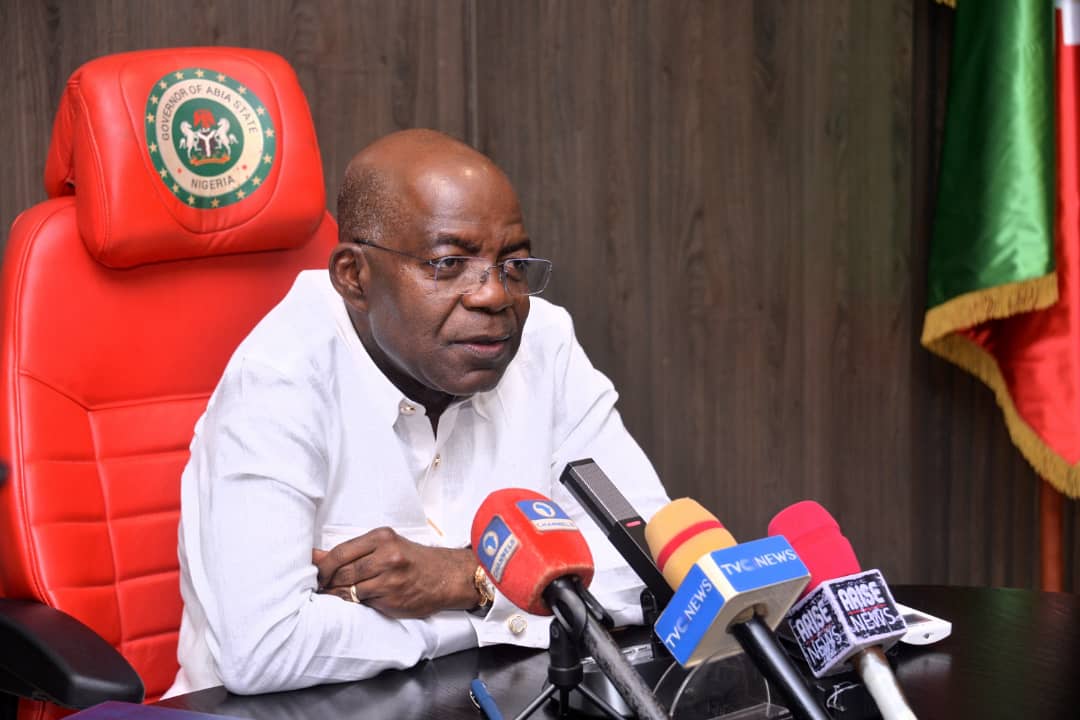
Abia State Governor, Dr. Alex Chima Otti, OFR, has called for stronger collaboration among the state government, federal tertiary hospitals and other medical institutions to strengthen Nigeria’s healthcare system and advance the proposed Abia Medical City.
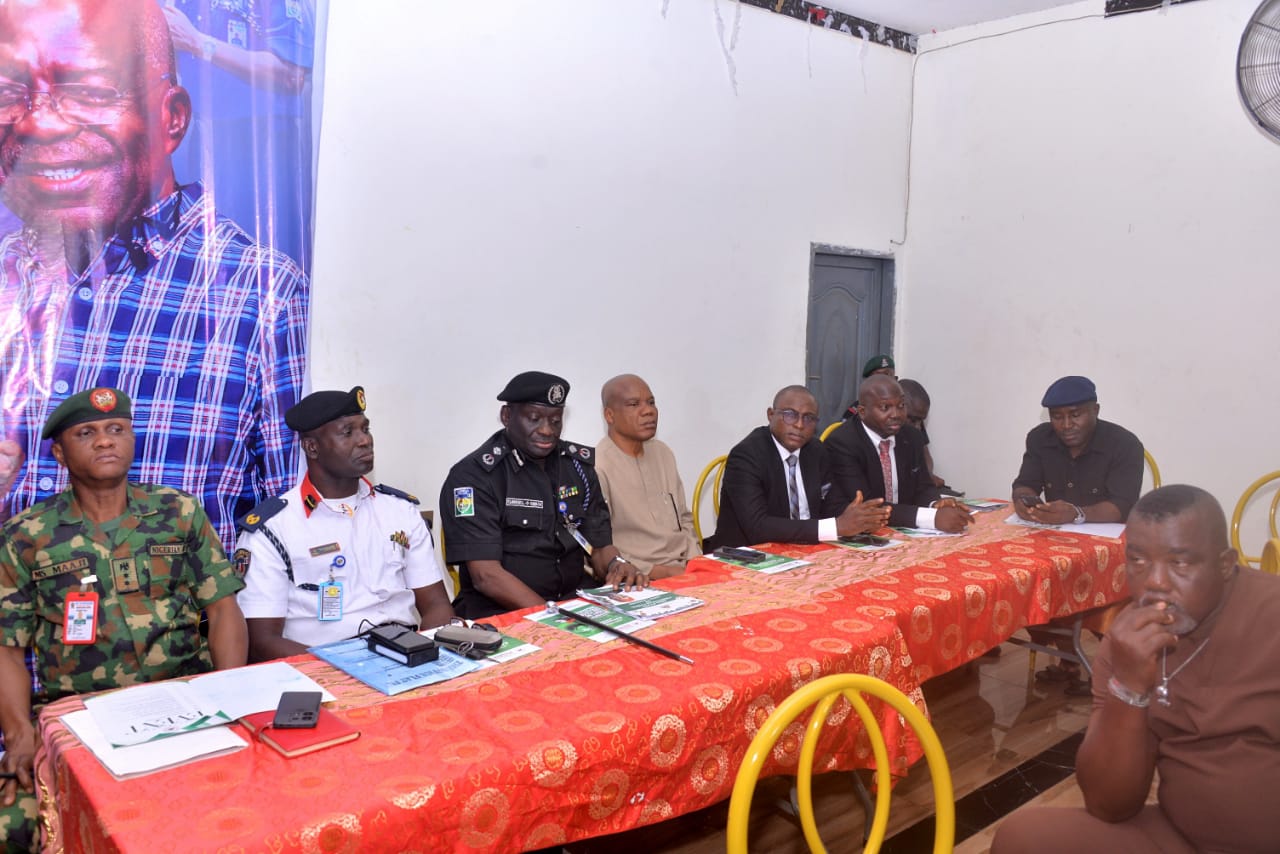
Governor Otti made the call in Umuahia while receiving members of the Committee of Chief Medical Directors and Medical Directors of Federal Tertiary Hospitals in Nigeria, who were in Abia for their 115th quarterly meeting.
Represented by his Deputy, Engr. Ikechukwu Emetu, the Governor welcomed the medical leaders to the state and described their decision to hold the meeting in Abia as a vote of confidence in the transformation taking place across the state.
He said the quarterly meeting provided a valuable opportunity for medical directors to benchmark best practices, share experiences and collectively address the challenges confronting Nigeria’s healthcare system.
Otti said his administration was deliberately changing the narrative about Abia by creating an environment that promotes investment, innovation, knowledge exchange and healthcare partnerships.
According to him, the administration recognises healthcare as fundamental to human dignity and economic development, noting that the state has consistently allocated 15 per cent of its annual budget to the sector.
He said the government had recruited hundreds of healthcare professionals and continued the revitalisation and functionalisation of primary healthcare centres across the state through Project Ekwueme and other interventions.
The Governor added that the administration was restructuring and upgrading specialist and tertiary healthcare institutions, including the Abia State Specialist Hospital, Amachara Specialist Hospital and Omo-Na-Nta Specialist Hospital.
He further stated that the government was embracing technology and innovation to expand access to healthcare and improve the delivery of medical services.

Otti noted that recent federal health performance data had placed Abia among the better-performing states in maternal and infant healthcare outcomes. However, he stressed that his administration was not satisfied with merely improving on the state’s previous performance.
“Our ambition is to build a healthcare system that can compete with the best anywhere in Africa and internationally,” he said.
The Governor disclosed that the state was also pursuing strategic partnerships with medical institutions, development partners, professional bodies, diaspora organisations and private investors.
He cited the proposed partnership with an Egyptian pharmaceutical company seeking to establish a pharmaceutical manufacturing plant in Abia, saying the investment would boost local pharmaceutical production, create employment, stimulate economic activity and facilitate technology transfer.
Otti appealed to the visiting CMDs and MDs to partner with the state government in actualising the vision of the Abia Medical City.
He explained that the Medical City would extend beyond the construction of hospitals to create an integrated healthcare ecosystem comprising tertiary and specialist medical services, medical education, research, diagnostics, pharmaceutical manufacturing, medical technology, accommodation and other allied services.
He said the expertise, professional networks and institutional knowledge of the medical leaders would be invaluable to the successful implementation of the ambitious project.
The Governor also encouraged stronger collaboration between federal teaching hospitals and healthcare institutions in Abia, urging the medical leaders to explore the opportunities available in the state.
Earlier, the Chairman of the Committee of Chief Medical Directors and Medical Directors of Federal Tertiary Hospitals in Nigeria, Prof. Saad Ahmed, said the committee chose Abia as the venue for its 115th meeting to enable members to assess developments in the state and examine the performance of the Federal Medical Centre, Umuahia.
Prof. Ahmed, who led approximately 85 CMDs and MDs to the state, said the committee holds quarterly meetings in different parts of the country to enable federal tertiary hospitals to benchmark their activities, exchange best practices, identify challenges and develop strategies for improving healthcare delivery.
He said the choice of Abia also provided members with an opportunity to observe the state’s ongoing development initiatives and learn from its approach to governance and community development.
The committee chairman commended the Abia State Government for its achievements in the health sector, particularly the upgrading of primary healthcare centres and general hospitals, recruitment of essential healthcare workers, expansion of the health insurance scheme and improvements in emergency and ambulance services.
He also praised the collaboration between the state government and the Federal Medical Centre, Umuahia, describing it as an example of effective cooperation between federal and state institutions in improving healthcare delivery.
Prof. Ahmed said members of the committee were impressed by the transformation they witnessed in Abia, including improvements in road infrastructure and other essential social services.
Also speaking, the Chief Medical Director of the Federal Medical Centre, Umuahia, Prof. Onyebuchi Azubuike, said the meeting was designed to enable members to assess the host hospital, identify areas requiring improvement, exchange ideas and replicate successful practices across federal tertiary hospitals.
He said FMC Umuahia was partnering with the Abia State Government across primary, secondary and tertiary healthcare to ensure that residents have access to reliable, high-quality healthcare services.
Azubuike disclosed that the Abia State Government was constructing a 20-room VIP ward at the Federal Medical Centre, Umuahia, describing the project as a significant intervention that would improve clinical practice and enhance patient care.
He also commended Governor Otti for his prompt intervention following the breakdown of the hospital’s two oxygen plants, noting that the Governor responded swiftly to the hospital’s request for assistance.
The CMD expressed appreciation to the Governor, Deputy Governor, Secretary to the State Government, Dr. Emmanuel Meribole, Commissioner for Health and other officials for their continued support for the FMC and the state’s healthcare sector.
The 115th quarterly meeting is expected to produce a communique outlining key challenges in Nigeria’s healthcare ecosystem, recommendations and possible solutions for presentation to relevant authorities for consideration and implementation.
Amah Ijeoma
FIC Correspondent office of the Deputy Governor.
09/09/2026
…Names Facility After Pro-Democracy Icon Chima Ubani
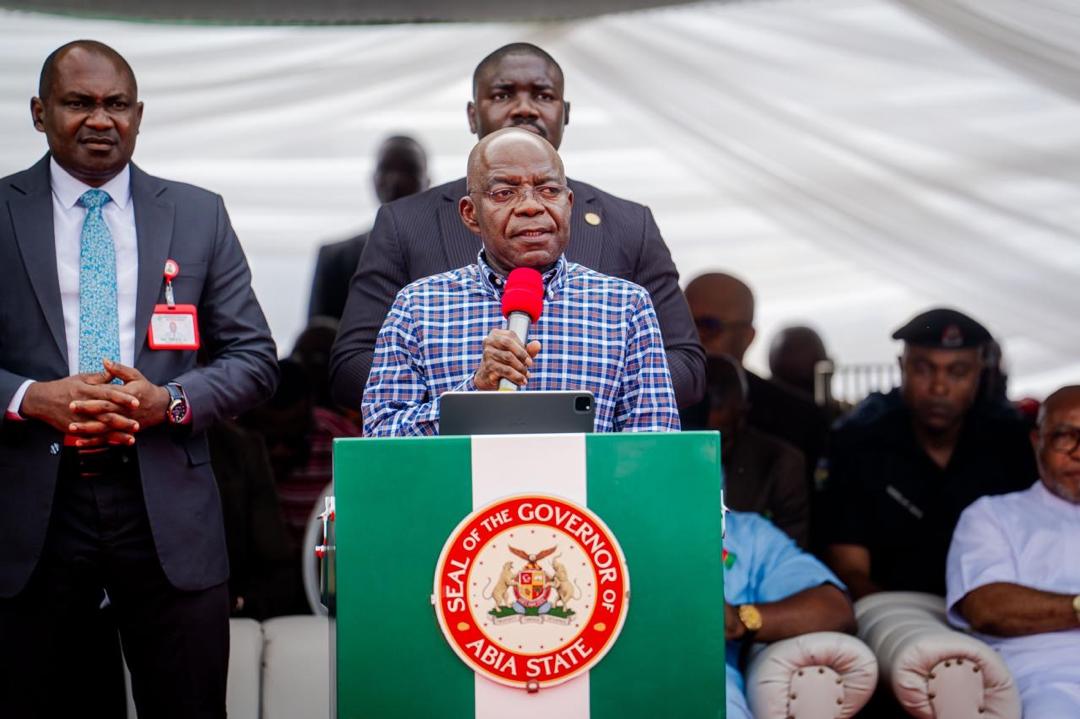
Governor Alex Otti of Abia State has commissioned the newly completed 80-bed Obingwa General Hospital, declaring that the facility will expand access to quality healthcare while setting a new standard for modern, technology-driven medical services in the state.
Otti, who spoke at the commissioning ceremony said his administration had consistently allocated 15 per cent of the state’s annual budget to the health sector over the past three years, in recognition of healthcare as a critical foundation for human development and economic prosperity.

He said the administration’s investment in healthcare had helped restore public confidence in health institutions and contributed to saving lives, particularly those of mothers and newborns.
The governor said the newly commissioned hospital was designed to provide secondary healthcare services to hundreds of thousands of residents of Obingwa Local Government Area and neighbouring communities.

According to him, the facility represents a new paradigm in healthcare delivery, incorporating technology, renewable energy and elements of the natural environment into patient care.
He highlighted the hospital’s healing garden, technology-driven data management system and real-time inter-facility collaboration as features designed to improve patient recovery and efficiency.
Otti added that critical medical procedures, including laboratory analysis and scans, would be supported by technology to enhance the accuracy and reliability of diagnosis.
The governor noted that the facility was equipped with a theatre, eye-care unit and observation rooms fitted with modern medical equipment to support delicate procedures, restoration of body functions and complete recovery.

He also disclosed that the hospital’s renewable energy system was designed to provide uninterrupted electricity supply, including during adverse weather conditions.
Otti commended the Commissioner for Health, Prof. Enoch Ogbonnaya Uche, and the project team for delivering the facility, stressing that the government would not allow the investment to become another abandoned or poorly managed public project.
He said community leaders had been incorporated into the hospital’s operational framework through a Community Healthcare Oversight Team, which would work with the State Ministry of Health to prevent vandalism, truancy and other forms of sabotage.
The governor directed that the hospital must remain operational day and night, with regular supplies of quality drugs and medical consumables, insisting that patients must receive appropriate attention irrespective of their social or economic status.
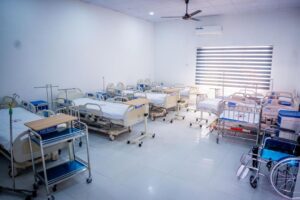
He warned that any attempt to vandalise the facility would be treated as a direct attack on the state and dealt with according to the law.
“What has been invested here is taxpayers’ money and every kobo of it must yield commensurate value to the people,” Otti said, adding that his administration would continue to monitor the hospital’s service standards and performance.
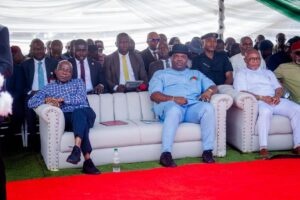
The governor also directed relevant authorities to prioritise continuous capacity development for healthcare workers to ensure that the state derives optimal value from its investments in the sector.
In a major highlight of the ceremony, Governor Otti announced that the hospital would bear the name of late pro-democracy activist and prominent Abia son, Comrade Chima Ubani, in recognition of his contributions to democracy, human rights and the struggle for a better society.
Otti described Ubani as a “martyr of the masses,” recalling his leadership role in the pro-democracy movement and campaigns against military dictatorship, repressive economic policies and social injustice.
He said Ubani, who served as Students’ Union President at the University of Nigeria, Nsukka, and later as Executive Director of the Civil Liberties Organisation, lived a life defined by courage, compassion and service to humanity.
According to him, although Ubani died in a tragic accident on September 21, 2005, his legacy of defending the common man and pursuing justice remained enduring.
The governor said naming the hospital after Ubani was not merely an honour but also a reminder to present and future generations that individuals could earn lasting recognition through courage, compassion and selfless service.
Otti also paid tribute to Ubani’s widow, Mrs Ochuwa Ubani, and their four children, Adaoha, Eyeoma, Ekene and Okoro, assuring the family that the Abia State Government would continue to provide modest support in honour of the late activist’s memory.
He commended members of the Civil Liberties Organisation, Campaign for Democracy and other pro-democracy activists for preserving Ubani’s legacy and continuing the struggle for a society responsive to the aspirations of the people.
The governor said the newly commissioned hospital would therefore serve not only as a healthcare institution but also as an enduring monument to development, good governance, courage, compassion and faith in humanity.
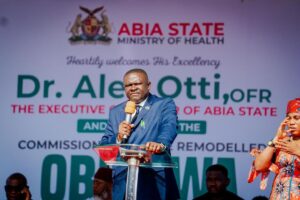
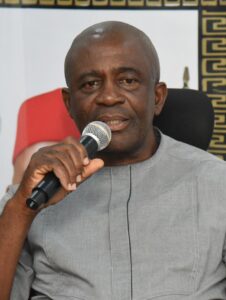
In his welcome address, the Commissioner for Health, Prof. Enoch Ogbonnaya Uche, said the 80-bed General Hospital is a demonstration that Governor Otti is building a future-ready healthcare system in Abia State.He disclosed that within three years in office, Governor Otti is carrying out a total of 301 infrastructural projects in health, with 277 Primary Health Centres being built and equipped to the standard set by the Governor. He said the facility is a digital hospital and that women in labour at various PHCs can be linked to it.“Obingwa has received more than a fair share of these projects, including 18 primary health centres, 13 of them under Project Ekwueme and five under Impact project,” Prof. Uche stated.
BURNING ISSUE
Abia State Celebrates 35 Years With Project Commissioning, Healthcare Expansion, Technology -Driven Services

As Abia State prepares to mark its 35th anniversary, the administration of Governor Alex Otti has unveiled a fresh package of interventions spanning healthcare, housing, infrastructure, human capital development and technology, reaffirming its resolve to mark the milestone with projects that deliver tangible benefits to residents rather than ceremonies alone.
The decisions were announced following the State Executive Council meeting presided over by Governor Otti.This include the deployment of technology to track high-risk pregnancies, the expansion of functional Primary Healthcare Centres, recruitment of additional healthcare professionals, rehabilitation of housing estates and the development of a new pocket housing scheme in Umuahia.

The administration said the 35th anniversary would be used to commission completed projects and flag off new ones across the State, describing the approach as a deliberate departure from the traditional celebration of state anniversaries through ceremonies and awards.
Governor Otti’s administration maintained that the best way to celebrate Abia is by delivering projects that improve the lives of its people.
At the centre of the healthcare interventions is Cytrack, a locally developed digital application being piloted by the Ministry of Health to identify and monitor high-risk pregnancies across the State.
The technology is particularly designed to support teenage pregnancies, women without supervised antenatal care and expectant mothers at risk of delivering without skilled birth attendants.
 j
j
Cytrack captures essential demographic and pregnancy information, including age and last menstrual period, enabling health officials to determine expected delivery dates, monitor antenatal appointments and maintain contact with pregnant women throughout pregnancy and delivery.
The application also sends reminders to pregnant women, while responsible adults in communities can help ensure that high-risk expectant mothers attend scheduled antenatal appointments.
The technology has already been used by health workers to monitor several teenage pregnancies and facilitate safe deliveries at the Federal Medical Centre, Umuahia, providing a practical demonstration of how digital innovation can be deployed to address real healthcare challenges.
The State Government also announced that Abia has emerged as Nigeria’s number one state in healthcare affordability and among the top three states in healthcare quality, according to the latest Philips Consulting State Performance Index.
Abia was also reported as the only state to achieve top-three positions in 13 of 16 indicators of good governance based on citizens’ perception, reinforcing the administration’s claim of measurable progress across multiple sectors.
At the grassroots level, the first 50 functionalised Primary Healthcare Centres accounted for more than 20 per cent of the over 1.067 million outpatient visits recorded across the State between July 2025 and June 2026.
With three additional PHCs functionalised between July 27 and August 10, the number of functionalised Primary Healthcare Centres in Abia has now risen to 151.
Similarly, enrolment in the Abia State Health Insurance Scheme increased from 233,000 to 237,000 beneficiaries between July 27 and August 7, 2026.
The administration also commended the Abiriba Community Improvement Union, North America Chapter, for pledging to sponsor 1,000 indigent persons under the State Health Insurance Scheme, urging other communities and organisations to emulate the initiative.
The State recorded no outbreak of major public-health diseases during the period under review, including Ebola, Lassa fever, COVID-19, diphtheria, cholera, mpox and yellow fever.
To strengthen the healthcare workforce, the State Civil Service Commission is commencing another round of recruitment of medical professionals.
The exercise follows the employment of 742 medical personnel by the Otti administration so far.
The new recruitment will focus on medical officers, dental officers and consultants, including full-time and part-time consultants, with the application portal scheduled to open on Monday night, August 10.
Beyond healthcare, the State Executive Council has directed the Ministry of Housing to sanitise and rehabilitate the World Bank Housing Estate at Abayi Umuocham, Aba, following concerns over the deteriorating condition of the estate.
The intervention will cover roads and other infrastructure, alongside remedial works aimed at restoring the estate and improving the living environment of residents.
An inspection of the estate revealed various forms of misuse and neglect, including street trading and farming along estate roads.
The government said the rehabilitation would include road improvements and street lighting, while activities contributing to the deterioration of the estate, particularly trading and farming along roads, would no longer be tolerated.
The Ministry of Housing will also collaborate with the Ministry of Works to undertake rainy-season maintenance works at Amaoba Housing Estate, Umuahia, pending the permanent reconstruction of the estate roads.
The State Government has equally provided a new transformer to alleviate electricity challenges confronting residents of the estate.
The proposed Pocket Housing Layout in Umuahia is also progressing, with the State planning to provide different categories of quality residential accommodation.
The scheme will comprise detached five-bedroom houses with boys’ quarters, semi-detached houses, and two- and three-bedroom blocks of flats.
Registration of intending subscribers will commence through an Expression of Interest process, followed by the opening of a dedicated payment portal.
The government said the scheme would operate on a transparent, first-come, first-served basis, with an off-plan payment structure requiring 30 per cent at the commencement of construction, 40 per cent around the midpoint and the remaining 30 per cent upon completion.
Contractors are expected to mobilise to site within the next week, with the government targeting completion within the next few months after flag-off.
The first occupants are expected to take possession of the houses by the end of 2026 or early 2027.
As Abia marks 35 years of state creation, the Otti administration said the anniversary would serve as a platform for commissioning completed projects and flagging off new ones across the State.
Rather than focusing primarily on celebrations, the government said the occasion would demonstrate the transformation taking place across Abia through investments in healthcare, housing, infrastructure, human capital development and technology-driven public services.
The administration said the emerging picture is that of a “New Abia” being built through practical interventions capable of delivering measurable value to the people.
The projects and reforms, it added, reflect Governor Otti’s determination to build a healthier, better-planned, more prosperous and more liveable Abia, while using the State’s 35th anniversary to demonstrate that development is best celebrated through tangible improvements in the lives of citizens.
-

 BURNING ISSUE3 months ago
FG, UNDP, TETFUND And Governor Otti Launch Manu-Tech UniPod, Says Innovation Will Power Abia’s Next Industrial Revolution
-
 BURNING ISSUE4 months ago
Abia Strengthens Security Architecture With Okada Restrictions, Citizen’s Engagement Centre, And Statewide Digital Connectivity Drive
-

 Education3 months ago
NSCDC, CDOWA Launch Statewide Safe School Campaign In Abia, Donate Educational And Sanitary Materials To Students
-

 NATIONAL NEWS3 months ago
NSCDC Strengthens Private Security Regulation In Abia …Moves To Enhance National Security Architecture
-

 BURNING ISSUE2 months ago
Tinubu, Obasanjo, Dame Patience Jonathan, Otti Lead National Tribute To Aguiyi-Ironsi At 60th Memorial Thanksgiving
-

 Uncategorized4 months ago
Abia Government Cracks Down on Okada Operations in Major Cities, Violators Risk Arrest and Confiscation
-
 BURNING ISSUE2 months ago
Abia Begins Payment of 10-Year-Old Gratuity Arrears, Tackles N61.8bn Legacy Liability
-

 BURNING ISSUE2 months ago
Abia State Celebrates 35 Years With Project Commissioning, Healthcare Expansion, Technology -Driven Services