The Manufacturers Association of Nigeria (MAN) has commended the administration of Governor Alex C. Otti for significant improvements in Abia State’s industrial and business environment, citing developments in infrastructure, electricity, transportation, urban renewal, healthcare, education and enterprise support.
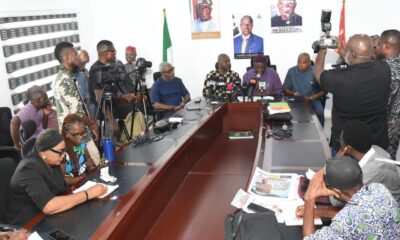
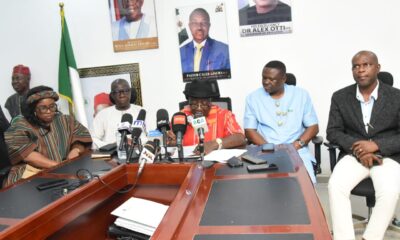
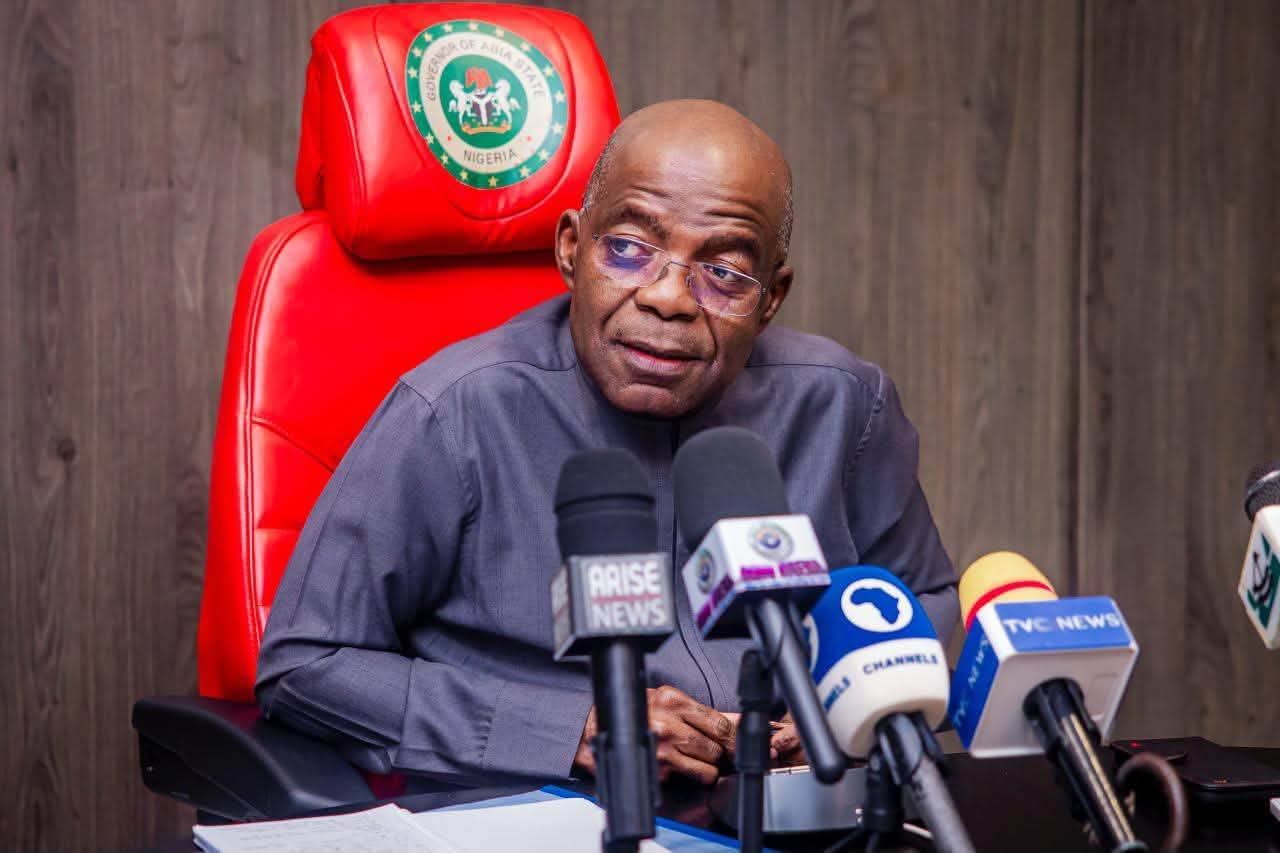
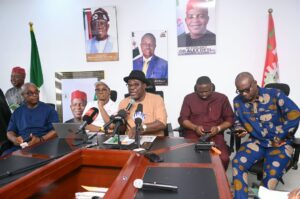
The commendation was made when the leadership of MAN’s Abia/Imo and Rivers/Bayelsa Chapters paid a courtesy visit to Governor Otti at his office in Nvosi, Isiala Ngwa South Local Government Area.
MAN’s Abia/Imo Chairman, Prince Obasi Ekeagbara, said manufacturers were already witnessing positive changes across several sectors of the State.
The recognition provides an important assessment of the administration’s economic direction, particularly its effort to shift Abia from an economy driven largely by trading and consumption towards one increasingly anchored on production, manufacturing, investment, employment and export competitiveness.
At the centre of the administration’s industrial agenda is the rebuilding of the infrastructure and policy environment required for businesses to operate, expand and compete.
According to MAN, improvements in roads, power, transportation, urban renewal and other critical sectors are beginning to address some of the longstanding constraints faced by manufacturers in Aba and other parts of the State.
Of particular significance is the administration’s drive to revive moribund industrial assets, including the Enyimba Garment Factory, Star Paper Mill and Afro Beverages.
MAN described the revival of such industries as a positive development capable of stimulating economic activity and creating employment, while also strengthening confidence among existing and prospective investors.
The administration has been pursuing improved power supply for industrial operators, including engagement around dedicated electricity through Geometric Power.
For Aba, whose entrepreneurial and manufacturing identity is deeply connected with small and medium-scale production, reliable electricity is critical to reducing operating costs, improving productivity and enabling businesses to compete more effectively.
The administration has also pursued improved access to finance through its partnership with the Bank of Industry. The Abia State Government has provided counterpart funding for a ₦10 billion BOI matching-fund initiative designed to support businesses across various sectors, with the first phase structured around government and BOI contributions.
Another aspect of the emerging business environment is the administration’s drive to harmonise taxation and eliminate multiple taxation. For manufacturers, greater clarity and predictability in revenue administration are essential to investment planning and long-term business decisions.
Governor Otti has equally warned businesses against making cash payments to unauthorised persons, stressing the need for a transparent revenue-collection system.
Beyond infrastructure, electricity and finance, the administration is seeking to strengthen the wider industrial ecosystem through platforms such as the Aba Trade Fair and the Export Growth Lab, supported by the United Nations Development Programme (UNDP), which is aimed at helping local producers improve product quality, packaging and competitiveness.
The administration’s position is that government should create the infrastructure, policy direction and enabling environment, while the private sector provides capital, innovation, production capacity and market discipline.

Governor Otti, while receiving the MAN delegation, challenged manufacturers to improve the quality, scale and competitiveness of locally produced goods and position them for wider domestic and international markets.
He urged businesses to take advantage of the opportunities being created by government while ensuring that their products meet acceptable standards.
The MAN delegation, however, also highlighted the broader challenges confronting manufacturers, including high energy costs, inflationary pressures, limited access to foreign exchange, financing difficulties, insecurity and demands from host communities.
The association consequently called for continued efforts to revive more moribund industries, establish industrial clusters across the three senatorial zones, strengthen action against unauthorised levies and provide additional support for distressed industries seeking to return to full production.
The recommendations align with the wider industrialisation agenda already unfolding in the State and underscore the need for sustained collaboration between government and the organised private sector.
For Abia, the significance of the MAN commendation extends beyond a single meeting. It points to an emerging effort to connect infrastructure, electricity, finance, skills, markets and public policy around the productive capacity of the State.
With Aba’s longstanding culture of entrepreneurship and manufacturing, the administration is seeking to transform that resilience into a more structured, infrastructure-backed and competitive industrial economy.
The ultimate objective is an Abia where businesses can move beyond survival to produce, employ, expand, compete and export, thereby contributing more substantially to the State’s economic development.






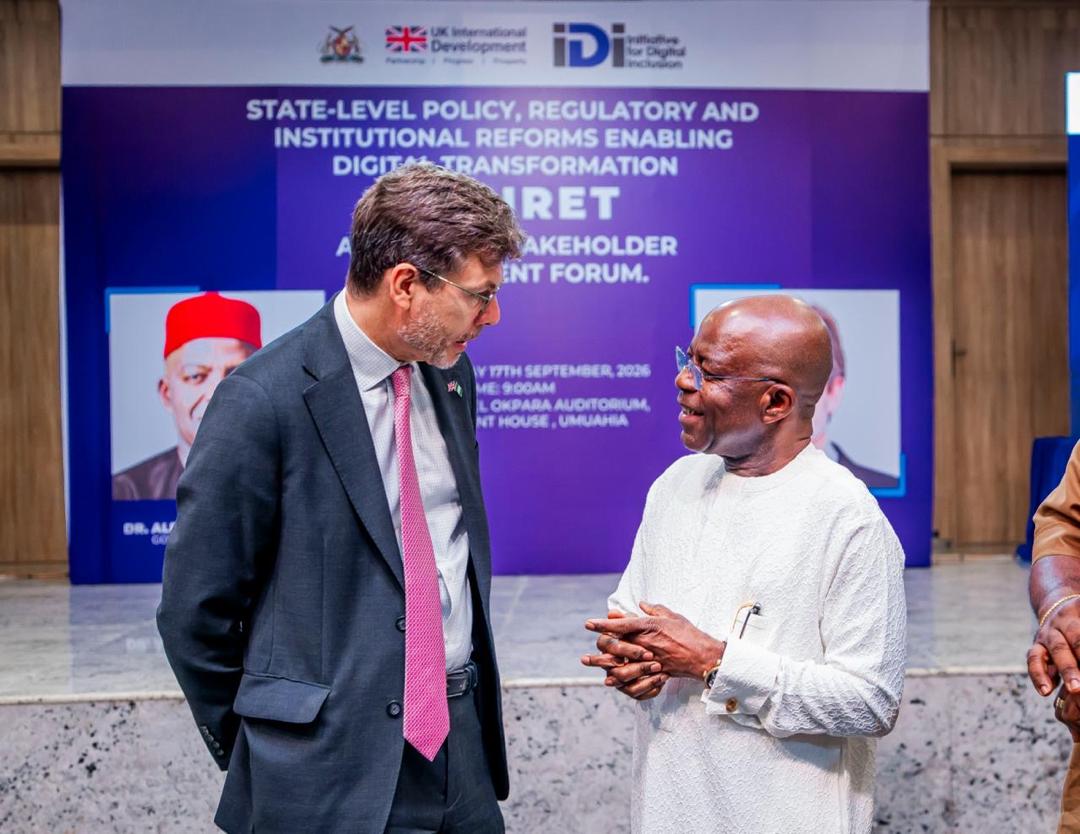
 Abia State Governor, Dr. Alex C. Otti, OFR, has called for stronger collaboration between government, the private sector and development partners to harness digital technology for economic growth, job creation and solutions to community challenges.