
GIRL CHILD
Abia Takes Stand Against Period Poverty As Government Champions Dignity, Education And Equal Opportunities For Girls

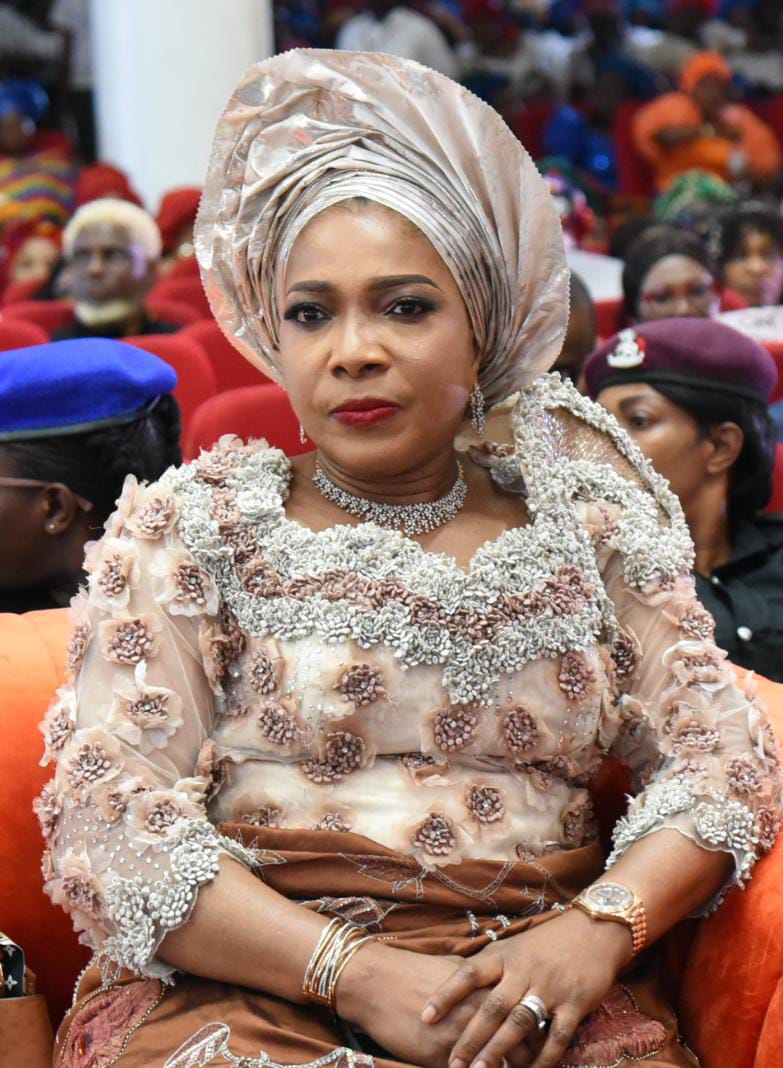
The global campaign to end period poverty and dismantle the stigma surrounding menstruation took centre stage in Umuahia. The Abia State Government, however, renewed its commitment to ensuring that no girl is denied education, dignity, confidence or opportunity because of her menstrual cycle.
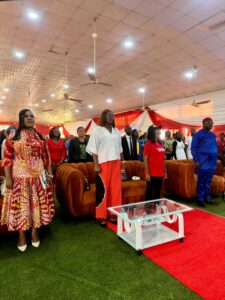
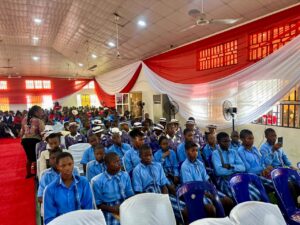
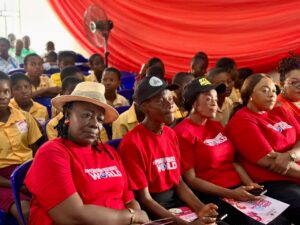
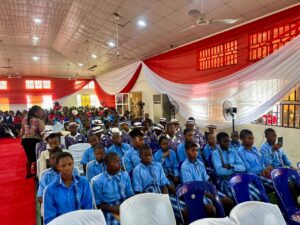
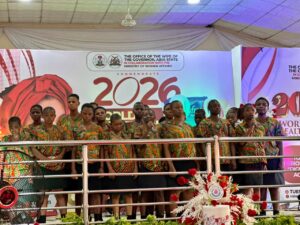
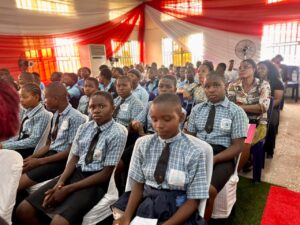
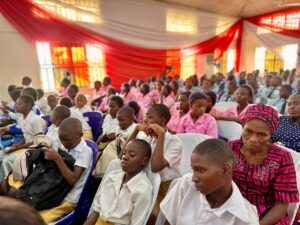
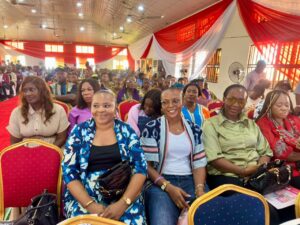
The 2026 World Menstrual Hygiene Day celebration, organised by the Office of the Wife of the Governor in collaboration with the Ministry of Women Affairs, brought together government officials, education stakeholders, development partners, traditional rulers, healthcare experts, teachers and students under the theme: “Together for a Period-Friendly World: Dignity, Equity and Access for All.”
The event became a powerful platform for advocacy, awareness and action, with stakeholders calling for improved menstrual health management, affordable sanitary products, inclusive sanitation facilities and the elimination of harmful myths and stigma surrounding menstruation.

Representing the Wife of the Governor, Mrs. Priscilla Chidinma Otti, the Wife of the Deputy Governor, Mrs. Adaeze Emetu, described menstrual health as a critical development issue with direct implications for education, public health, gender equality and economic productivity.
She noted that inadequate access to affordable menstrual products and poor Water, Sanitation and Hygiene (WASH) facilities continue to expose girls and women to health risks, school absenteeism and diminished confidence.

Mrs. Emetu called on governments, development partners and stakeholders to increase investments in menstrual health education, quality and affordable sanitary products and improved sanitation facilities.
She also urged parents, teachers, religious leaders, traditional rulers, community influencers and the media to help break the silence surrounding menstruation through open and honest conversations capable of eliminating harmful myths and stigma.
Reaffirming the commitment of Governor Alex Otti’s administration, she highlighted ongoing advocacy campaigns, sanitary pad distribution programmes and investments in improved sanitation infrastructure across schools.
In a touching message to young girls, she declared:
“Your period is not your weakness. It is a sign of health and strength. Do not allow stigma or lack of resources to stop your dreams. You are capable, valuable and deserving of every opportunity.”

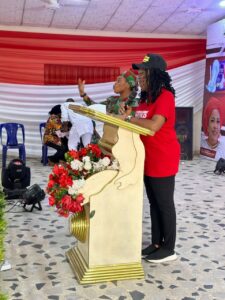
Earlier in her welcome address, the Commissioner for Women Affairs, Dr. Mrs. Maureen Aghukwa, said the annual observance offered an opportunity to join millions across the world in promoting menstrual health awareness and confronting the myths, silence and discrimination that still surround menstruation.
She stressed that although menstruation is a natural and healthy part of life, many women and girls continue to struggle with limited access to menstrual hygiene products, accurate information and adequate sanitation facilities.

According to her, these challenges negatively affect the education, health, self-esteem and overall wellbeing of girls and women.
“We remain committed to creating an environment where every girl can thrive without discrimination or disadvantage because of her menstrual cycle,” she stated.

Dr. Aghukwa explained that through collaboration with civil society organisations, healthcare providers, community leaders and development agencies, the Ministry has continued to champion policies and programmes that support the health and welfare of women and girls across Abia State.
She encouraged young girls to remain confident and committed to good hygiene practices while urging parents, teachers and community stakeholders to create safe spaces for discussions on menstrual health.
“Together, we can eliminate harmful misconceptions about menstruation and build a society where every girl can achieve her full potential,” she added.

The Commissioner also commended Governor Alex Otti for prioritising the welfare of women and girls in the state.
Delivering the keynote lecture, renowned social policy and social protection expert, Dr. Theodora Ngozika Igboaruka Uchenna, advocated inclusive menstrual health services and products for all menstruating persons.

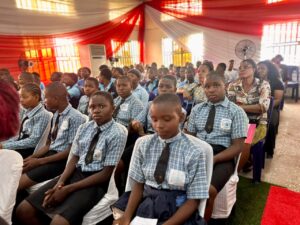
Drawing from her experience with international organisations including UNICEF, USAID and the World Bank, she stressed that every girl and woman deserves access to menstrual products, clean water, sanitation facilities and accurate information.
She lamented that poor menstrual hygiene continues to contribute to absenteeism, health challenges, stigma and discrimination among girls.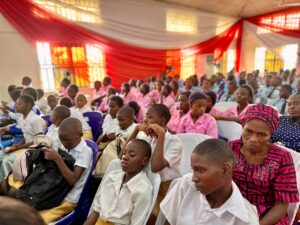
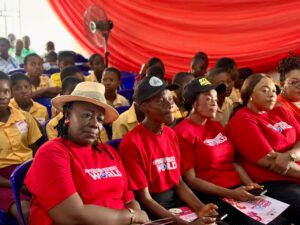
According to her, more than 800 million women and girls menstruate daily worldwide, while over 500 million lack adequate menstrual hygiene facilities.
Focusing on Nigeria, she disclosed that over 40 million adolescent girls and young women face poor menstrual education, limited access to affordable sanitary products, inadequate water and sanitation services and persistent stigma.
She further revealed that 77 per cent of schools lack basic water services, 45 per cent lack sanitation facilities and only 11 per cent have access to all three essential services.
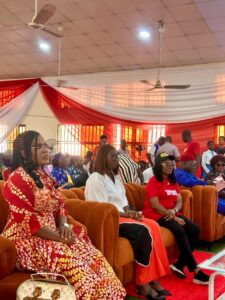
Dr. Uchenna called for the establishment of sanitary pad banks across schools and public institutions, citing the example of Bauchi State where legislation has institutionalised such interventions.
She urged policymakers, educators, traditional leaders and development partners to prioritise girl-friendly sanitation facilities, menstrual education and affordable sanitary products while promoting positive attitudes towards menstruation.
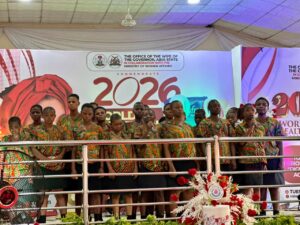

Linking menstrual health to the Sustainable Development Goals (SDGs), she noted that menstrual equity directly contributes to gender equality, quality education, good health, human rights, clean water and sanitation, and economic productivity.
Speaking from the education perspective, the Senior Special Assistant to the Governor on Basic and Secondary Education, Hon. Kelechukwu Nwosu, described menstrual health as an educational imperative that directly affects school attendance, learning outcomes and gender equality.
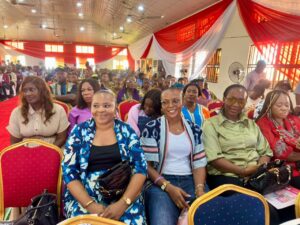
He commended Mrs. Priscilla Otti for her compassionate and visionary leadership, noting that her humanitarian interventions continue to provide hope and support for vulnerable groups.
Hon. Nwosu highlighted significant improvements in the education sector, including the provision of clean water, handwashing stations, functional toilets and inclusive sanitation facilities in retrofitted schools across the state.
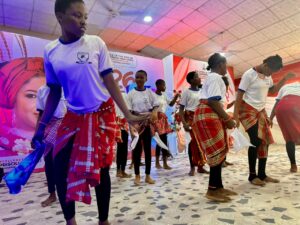
He disclosed that teachers are being trained in adolescent health education and menstrual hygiene management to empower girls, improve self-esteem and enhance academic performance.
According to him, the Abia State Model Smart School, Ubakala, now operates a dedicated Girls Room where female students can privately manage their menstrual periods without interrupting their education.
He reaffirmed the government’s commitment to providing a safe, inclusive and supportive learning environment where every child can thrive.
In her overview of the global campaign, the Permanent Secretary, Ministry of Women Affairs, Mrs. Ogechi Becky Oguama, explained that World Menstrual Hygiene Day, observed annually on May 28, was established in 2014 to promote menstrual equity worldwide.
She noted that the date symbolises the average menstrual cycle of 28 days and an average menstruation period of five days.
According to her, this year’s theme underscores the collective responsibility of governments, schools, communities, families and development partners to eliminate menstrual stigma and guarantee universal access to menstrual products, healthcare, education and supportive infrastructure.
She highlighted ongoing interventions by the Abia State Government, including menstrual health awareness campaigns, sanitary pad distribution to vulnerable girls, school-based sensitisation programmes and advocacy against period stigma.
Adding the voice of young people, student advocate Miss Esther Stephen delivered an inspiring presentation on menstrual dignity and body confidence.
She described menstruation as evidence of the power of creation rather than a source of shame, urging girls to reject stigma and embrace confidence.
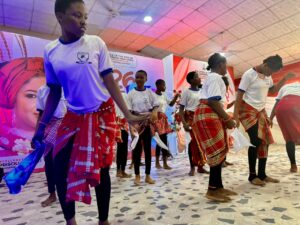
The event also featured colourful performances by students, including a drama presentation on menstruation by Girls Secondary School, Uzuakoli, and a traditional dance performance by St. Theresa’s Girls Secondary School, Olokoro.
Schools represented included St. Theresa’s Girls Secondary School, Olokoro; Girls Secondary School, Uzuakoli; Icon Builders Academy Umuahia; Government Technical School, Afaraukwu; Afugiri Girls Model School; Olokoro Girls Junior Secondary School; Okwuta Community Primary School; Amakama Community High School; Masters Vessel Classical Academy; University Demonstration School; and School of the Blind, Afaraukwu.
Dignitaries present included the Commissioner for Youth and Sports Development, Mr. Nwaobilor Ananaba; Commissioner for Creative Economy, Dr. Matthew Ekwuribe; Chairman of Umuahia North Traditional Rulers Council, HRH Eze Eddie Ibeabuchi of Afaraukwu Ancient Kingdom; wives of local government mayors; heads of parastatals and agencies; and other senior government officials.
As the global movement for menstrual equity continues to gain momentum, Abia State’s renewed commitment sends a strong message that menstruation should never stand between a girl and her future.
The event ended with a collective pledge by government officials, educators, development partners and stakeholders to deepen advocacy, expand access to menstrual hygiene products and strengthen policies that promote menstrual dignity, ensuring that every girl remains in school, every woman enjoys dignity and every community contributes to building a truly period-friendly world.
BURNING ISSUE
World Menstrual Hygiene Day : Abia State Government Rallies Support For Girls, Calls For End To Stigma And Period Poverty

The Abia State Government has reaffirmed its commitment to promoting menstrual health, dignity, and equal opportunities for girls and women, calling on stakeholders to work collectively towards ending the stigma, myths, and barriers associated with menstruation.

Speaking at the 2026 World Menstrual Health and Hygiene Day celebration held in Umuahia, the Commissioner for Women Affairs, Dr. Mrs. Maureen Aghukwa, said menstrual health remains a critical issue that impacts education, public health, gender equality, and human dignity.

Addressing participants at the event, Dr. Aghukwa noted that although menstruation is a natural and healthy part of life, many girls and women still face significant challenges in accessing sanitary products, accurate menstrual health information, and adequate sanitation facilities.
According to her, such challenges often affect the confidence, health, education, and overall well-being of girls and women, making it imperative for governments and communities to take deliberate action.

The Commissioner stated that under the leadership of Governor Alex Chioma Otti, the Abia State Government remains committed to creating an environment where every girl can thrive without discrimination or disadvantage because of her menstrual cycle.
“Menstrual health is not merely a women’s issue; it is a matter of human dignity, public health, education, and social justice,” she emphasized.
 Dr. Aghukwa disclosed that the Ministry of Women Affairs has continued to champion policies and programmes aimed at improving the welfare of women and girls across the state. She noted that through partnerships with development agencies, civil society organizations, schools, healthcare providers, and community leaders, efforts are being intensified to expand access to menstrual hygiene education and essential sanitary products.
She encouraged young girls to embrace their womanhood with confidence and never feel ashamed of a natural biological process, urging them to seek accurate information, maintain proper hygiene practices, and freely ask questions whenever guidance is needed.
The Commissioner also appealed to parents, teachers, religious leaders, and community stakeholders to create safe and supportive environments where open discussions on menstrual health can thrive.
She stressed that breaking harmful misconceptions and cultural silence around menstruation is essential to empowering girls and enabling them to achieve their full potential.
“As we commemorate this important day, let us renew our commitment to ensuring that no girl misses school, loses confidence, or suffers indignity because of menstruation,” she said.
Dr. Aghukwa further called on all stakeholders to prioritize menstrual health and hygiene in homes, schools, workplaces, and communities, describing it as a shared responsibility that requires sustained advocacy and collective action.
She expressed appreciation to development partners, sponsors, organizations, and participants whose support continues to advance the cause of menstrual health awareness and gender inclusion in Abia State.
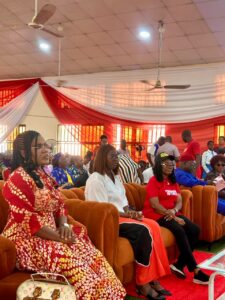
The World Menstrual Health and Hygiene Day celebration brought together government officials, students, teachers, healthcare professionals, civil society groups, and community leaders in a united effort to promote menstrual dignity and ensure that every girl has the opportunity to live, learn, and succeed without barriers.
The event ended with a renewed call for greater awareness, improved access to menstrual hygiene products, and stronger support systems for girls and women across Abia State.




FIDA
FIDA Raises Strong Voice for Justice As Abia Deepens Protection For Women And Children In Crisis
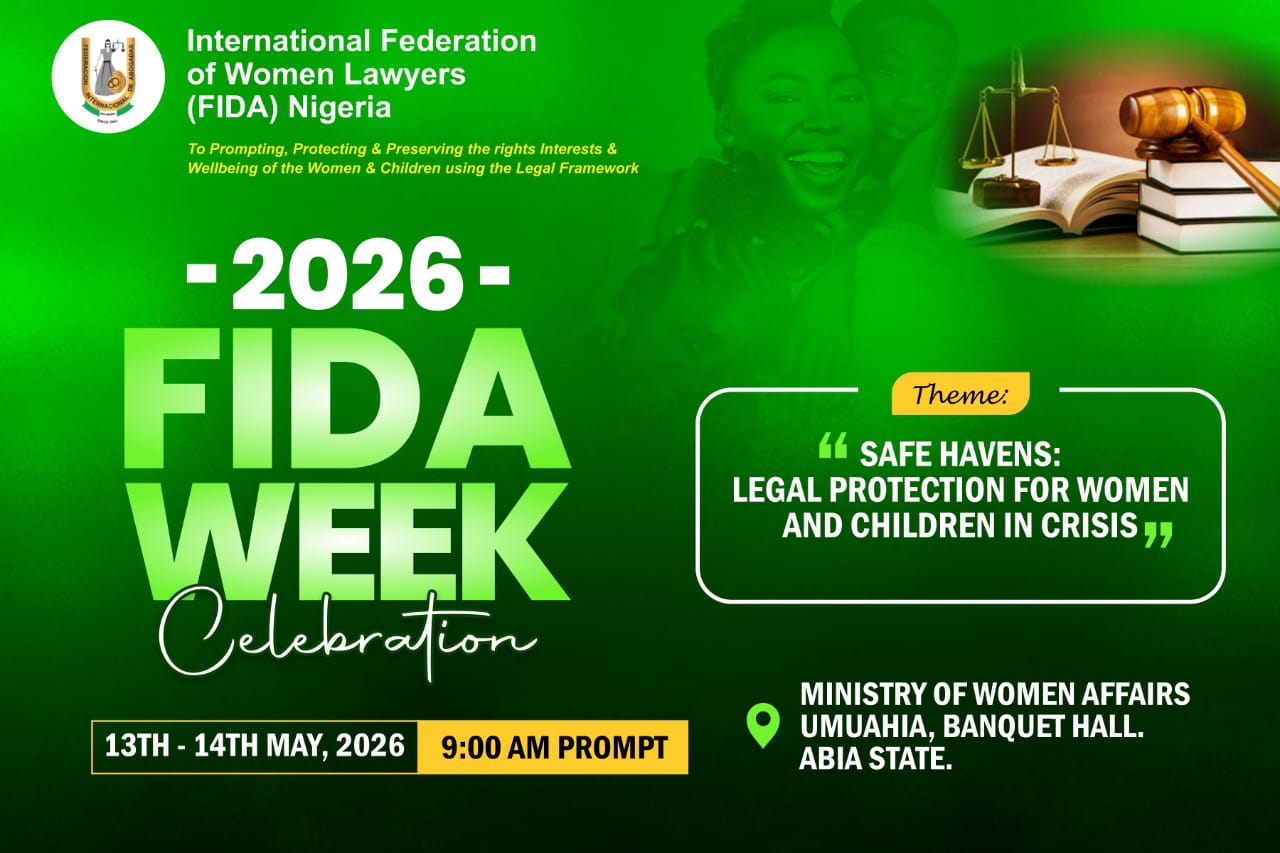
The Banquet Hall of the Ministry of Women Affairs in Umuahia came alive with passionate advocacy, stirring reflections and renewed commitments as the International Federation of Women Lawyers (FIDA) Nigeria, Abia State Branch, brought its 2026 FIDA Week celebration to a remarkable close. The week came with resounding calls for stronger legal protection and safer spaces for women and children facing violence, abuse and social vulnerability.
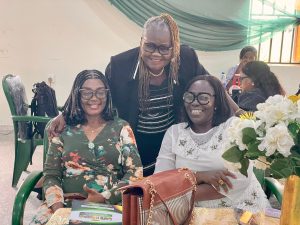
Themed “Safe Havens: Legal Protection for Women and Children in Crisis,” the event drew an influential gathering of legal practitioners, government officials, academics, civil society organisations, development partners and human rights advocates united by a common resolve to strengthen justice systems and restore hope to vulnerable members of society.
Throughout the week-long activities, conversations centred on the urgent need for responsive legal structures, accessible support systems, effective referral mechanisms and sustained community engagement capable of protecting women and children from exploitation, domestic violence, harmful cultural practices and all forms of abuse.

Delivering goodwill remarks at the closing ceremony, the Abia State Commissioner for Women Affairs, Mrs. Maureen Aghukwa, commended FIDA for what she described as unrelenting commitment to justice, equity and humanitarian service.
The Commissioner praised the organisation’s consistent interventions in defending the rights of vulnerable women and children through legal representation, enlightenment campaigns and humanitarian outreach programmes, noting that many victims had found protection, hope and renewed confidence through FIDA’s efforts.
She described the partnership between the Ministry of Women Affairs and FIDA as critical to advancing the welfare, dignity and protection of women and families across Abia State.
According to her, both institutions have continued to collaborate effectively in combating gender-based violence, child abuse, discrimination and harmful traditional practices affecting vulnerable groups.
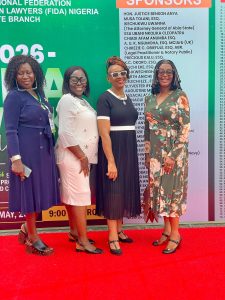
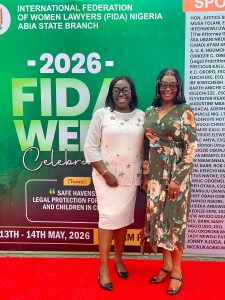
Aghukwa stressed that the 2026 FIDA Week celebration had once again reinforced the reality that building a just and inclusive society requires collective responsibility from government institutions, legal professionals, traditional leaders, civil society organisations and citizens alike.

“I commend FIDA for yet another successful week of advocacy, enlightenment and service to humanity. Through your legal interventions, awareness campaigns and humanitarian efforts, countless vulnerable women and children have found hope, protection and a voice,” she stated.
The Commissioner further encouraged members of the organisation to remain steadfast in their advocacy, assuring them that their contributions to justice and human development would continue to leave lasting impacts across communities.
She also used the opportunity to eulogise the administration of Governor Alex Otti for what she described as transformational governance across critical sectors of the state, including education, healthcare, infrastructure development and civil service reforms, noting that the Governor’s people-oriented policies continue to create a more inclusive and progressive Abia.
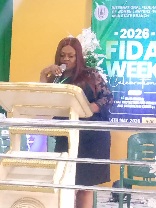
In her address, Chairperson of FIDA Abia State, Mrs. Aniawonwa Njideka, described the theme of the celebration as both urgent and deeply humanitarian, insisting that legal protection must be immediate, accessible and compassionate, especially for women and children trapped in cycles of violence and abuse.
She maintained that safe havens should represent more than physical shelters, explaining that true protection must include access to justice without fear, intimidation, shame or financial barriers.

According to her, FIDA remains committed to providing pro bono legal services and supporting reforms aimed at strengthening protection mechanisms for vulnerable persons, including advocacy linked to the Violence Against Persons legislation.
Njideka explained that the celebration also provided an avenue for stakeholders to examine existing gaps within legal and social support systems while strengthening collaboration among the judiciary, law enforcement agencies, civil society organisations and traditional institutions.
She challenged stakeholders to move beyond discussions and embrace practical measures capable of improving legal aid services, equipping first responders and creating effective support structures for survivors of abuse and violence.
Adding his voice, Project Consolidator, Chief Chiadi Afam Anumba, described the gathering as timely, especially at a period when many vulnerable persons continue to face increasing threats of violence, displacement and social injustice.
He noted that the legal profession must remain a refuge for victims seeking justice and protection, stressing that FIDA members have continued to serve as courageous voices for individuals unable to defend themselves.
Anumba expressed optimism that the deliberations and engagements during the FIDA Week celebration would produce stronger partnerships, practical policy reforms and sustainable strategies capable of transforming the idea of safe havens into reality across Abia State.
Legal practitioner, A.U.K. Ngumoha, in his remarks, described the event as an important moment for reflection on justice, equity, human rights and the protection of vulnerable members of society.
He encouraged stakeholders to sustain sensitisation campaigns, legal intervention programmes, mentorship initiatives and public enlightenment activities capable of strengthening social justice and community awareness.
Ngumoha commended the leadership and members of FIDA Abia State for their dedication and consistency in protecting the rights and dignity of women and children despite prevailing challenges.
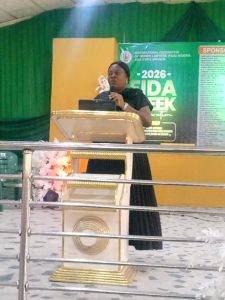
The keynote address delivered by Professor Mabel Onwuka, a Professor of Soil Science, further broadened the conversation by emphasising the importance of empowering women through education, economic inclusion and skills acquisition.
She advocated stronger collaboration among religious institutions, educational bodies, legal organisations and community leaders to improve support systems for vulnerable persons and deepen societal commitment towards protecting women and children.
Professor Onwuka stressed that sustainable protection goes beyond legal frameworks and must also include deliberate investments in human capital development, family support systems and economic empowerment initiatives capable of reducing vulnerability.

The event also featured award presentations and other activities designed to promote advocacy, awareness and community participation in the protection of women and children.
The 2026 FIDA Week celebration in Abia State ultimately reflected a growing determination among legal institutions, government agencies and civil society organisations to confront gender-based violence, strengthen child protection systems and expand access to justice for vulnerable citizens.
Earlier during the week, FIDA had a Road Walk and held a lecture session at the NBA Aba Branch Bar Centre for members.
As participants departed the hall after days of dialogue and engagement, one message resonated strongly across the gathering , that the protection of women and children is not merely a legal obligation, but a moral responsibility requiring collective action, compassion and unwavering commitment from all sectors of society.
GIRL CHILD
Abia State Releases Bold Women Empowerment Drive, Targets Economic Inclusion, Justice, And Political Participation

Women from across Abia State converged at the International Conference Centre Umuahia in a vibrant display of unity and resolve as the state marked International Women’s Day with far-reaching commitments to economic empowerment, social protection, and access to justice.


 The 2027 celebration, themed “Give to Gain: Invest More and Gain More,” brought together government officials, judicial officers, traditional leaders, civil society organisations, faith based organisations and grassroots women in a policy-driven engagement aimed at advancing gender inclusion and sustainable development.
Delivering the keynote address on behalf of the Wife of the Governor, Priscilla Chidinma Otti, the Wife of the Deputy Governor, Adaeze Chidera Emetu, underscored the central role of women in societal progress, describing them as pillars of family stability, economic productivity, and community development.
She stressed that while women remain indispensable to development, many still grapple with structural barriers including limited access to finance and exposure to socio-economic vulnerabilities.
“Empowerment is not optional; it is essential,” she declared, noting that the Abia State Government is “moving beyond rhetoric to practical, measurable interventions.”

Highlighting ongoing and planned interventions, the First Lady’s office announced a multi-layered empowerment strategy targeting women across different economic strata. These include:
Support for 200 indigent female farmers with fertilisers and agricultural inputs
Financial grants of ₦100,000 each to petty traders to boost small businesses
Training of 200 women in vocational skills such as fashion, food processing, hairdressing, and crafts under the Safe Tent Care Initiative in partnership with the National Directorate of Employment
Provision of starter packs to enable immediate income generation.


A major highlight is the launch of the Ahiaoma Programme, a strategic initiative designed to uplift women at the base of the economic pyramid through funding, financial literacy, and market access. The programme is expected to benefit 1,000 women in phases.
The administration also acknowledged the impact of the Renewed Hope Initiative led by Oluremi Tinubu, noting that its interventions have significantly improved livelihoods for women across the state.

Beyond economic measures, the state reinforced its commitment to protecting women’s rights with the establishment of the Nchedo Sexual Assault Referral Centre at the General Hospital Aba. The centre provides integrated medical, psychosocial, and legal support for survivors of gender-based violence.
Mrs. Otti called on women to register to vote, mobilise their households and communities, and support credible female candidates at all levels.
“Women must not only be voters but decision-makers. If you are not at the table, you risk being on the menu,” she cautioned.

In her opening remarks, the Commissioner for Women Affairs, Maureen Aghukwa, described the theme as “timely and profound,” emphasizing that meaningful progress requires deliberate investment in women.

She drew attention to the sub-theme, “Access to Justice for Our Women and Girls,” noting that justice remains a critical but often inaccessible right for many due to cultural, economic, and systemic barriers.
“We must ensure that every woman and girl knows her rights, can speak without fear, and has access to institutions that will uphold those rights,” she said.

A strong political message resonated throughout the event, with speakers urging women to actively participate in the democratic process ahead of the 2027 general elections.
The event also spotlighted the growing inclusion of women in governance within Abia State, citing appointments of women into key positions including Accountant General, Chief Justice, and a significant number of Permanent Secretaries.
Speakers referenced the historic Aba Women’s Riot of 1929, urging contemporary women to draw inspiration from the courage and unity displayed by their predecessors in demanding justice and equity.

Keynote speaker Dr. Ezinne Otuaka and legal expert , Chief Magistrate Enyidiya Uma Onwunta reinforced the economic and legal dimensions of women’s empowerment, while the Permanent Secretary of the Ministry, Mrs. Becky Ogechi Oguama, commended stakeholders for sustaining advocacy efforts.
Participants collectively emphasised that the commemoration must go beyond celebration to sustained action, calling for stronger partnerships across government, private sector, and civil society.

Organisers noted that the event served as both a celebration and a strategic platform to advance inclusive governance, economic resilience, and gender equality in alignment with global development goals.
With ongoing initiatives such as the Nigeria for Women Project scale-up, cooperative loans targeting women, and support for local industries like Akwete weaving, Abia State is positioning women at the centre of its development agenda.

As the event concluded, one message stood clear: investing in women is not just a moral imperative,it is a strategic pathway to societal transformation.
“When women rise, Abia rises.”


-
 BURNING ISSUE2 months ago
FG, UNDP, TETFUND And Governor Otti Launch Manu-Tech UniPod, Says Innovation Will Power Abia’s Next Industrial Revolution
-
 BURNING ISSUE2 months ago
Abia Strengthens Security Architecture With Okada Restrictions, Citizen’s Engagement Centre, And Statewide Digital Connectivity Drive
-

 Education1 month ago
NSCDC, CDOWA Launch Statewide Safe School Campaign In Abia, Donate Educational And Sanitary Materials To Students
-

 BURNING ISSUE3 weeks ago
Tinubu, Obasanjo, Dame Patience Jonathan, Otti Lead National Tribute To Aguiyi-Ironsi At 60th Memorial Thanksgiving
-

 NATIONAL NEWS1 month ago
NSCDC Strengthens Private Security Regulation In Abia …Moves To Enhance National Security Architecture
-

 Uncategorized2 months ago
Abia Government Cracks Down on Okada Operations in Major Cities, Violators Risk Arrest and Confiscation
-

 ABIA AIRPORT PROJECT2 months ago
Presidency Hails Abia’s Transformation As Renewed Hope Media Tour Showcases Impact Of Federal, State Projects
-
 BURNING ISSUE2 months ago
Abduction Of Two Abia School Children Heightens Security Concerns