
NEWS
Governor Alex Otti Approves Feasibility Study For Proposed Azumini Sea Port Project

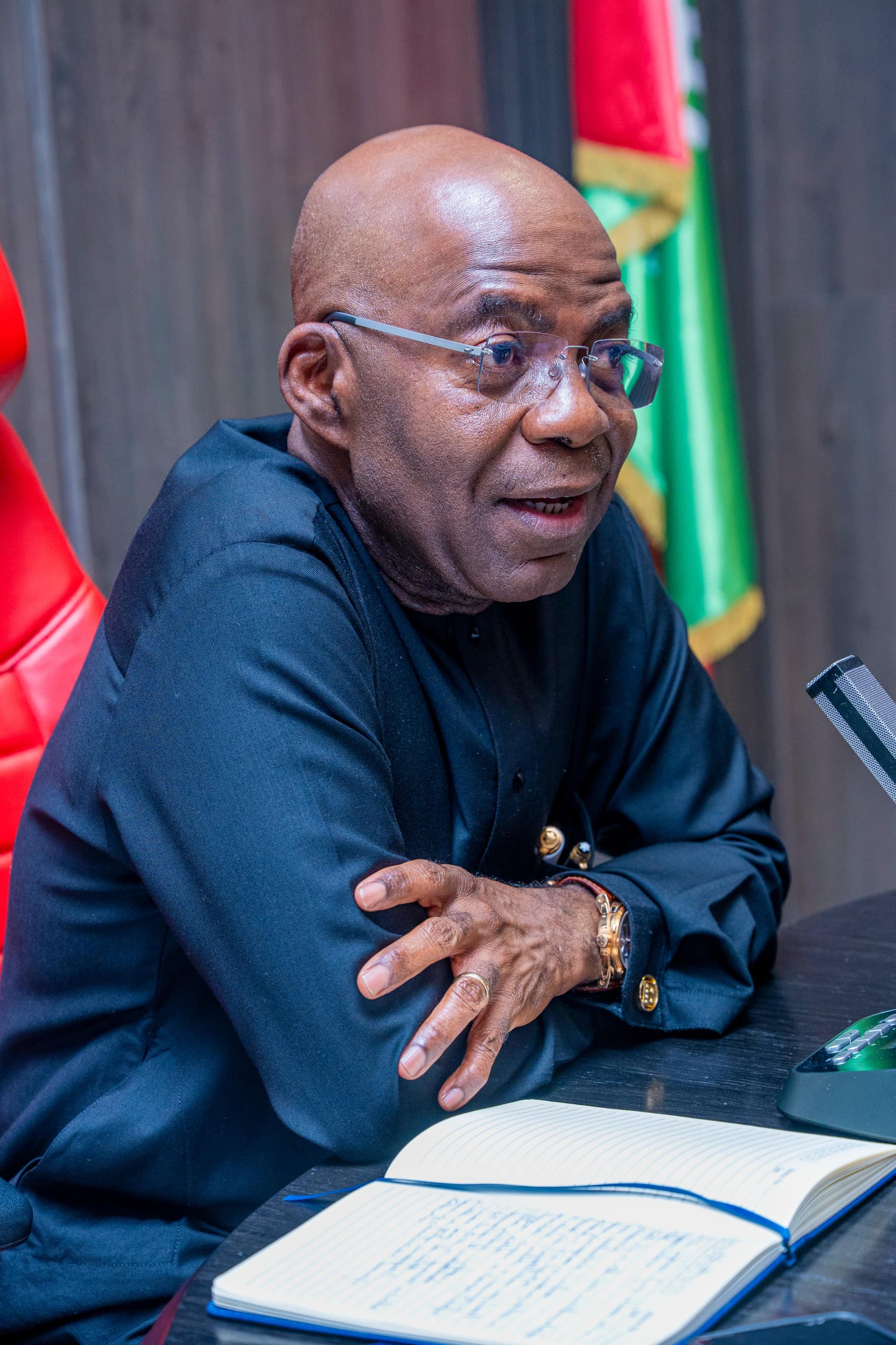
Abia State Governor, His Excellency, Dr. Alex Otti, OFR, has approved the immediate commencement of a feasibility study for the proposed Azumini–Obeaku Sea Port and Inland Waterways Corridor Project in Abia State.
Governor Otti granted the approval on Tuesday during a meeting with a delegation from China Harbour Engineering Company Limited led by Mr. Nicolas Liu at the Government House, Umuahia.
The Governor directed the company to begin the feasibility study without delay and urged that the proposed timeline of six to seven months be shortened to accelerate the process.
“Somehow, deep in my mind, I know that this is the approach. It is good to understand the details and all what is required.
“So, I think you can take it that approval has been given for the feasibility study to commence.
“But then, you still need to come back, how do you say, 6 to 7 months? That’s a long time. And if we can shorten it, that will help,” Governor Otti stated.
The Governor further directed that while the feasibility study is ongoing, steps should immediately commence toward securing approvals from the Nigerian Ports Authority (NPA), the Federal Ministry of Blue Economy, and the Presidency.
“We need to start the process of getting the approval of the NPA and of course, the Ministry of Blue Economy. And of course, the President.
“So, I think we need to start the process immediately, hoping that the feasibility study will return positive. Because you may also conduct the feasibility study and say that it is not viable,” he added.
Governor Otti also advised the company to undertake an early visit to the proposed project site before the formal commencement of the study, noting that the location is believed to be about 19 nautical miles from the high sea.
“Maybe, when you visit, you can come up with the specifics. So, if it is about 19 nautical miles, the question of viability will now come to play because what it requires will now be dredging.
“And dredging increases the cost. So then, I’m not a technical person, but at least, I have an idea of what I want to achieve,” the Governor noted.
The Governor thanked the team for the presentation and expressed optimism that the project would become a reality if properly pursued.
Earlier in his presentation, the leader of the delegation, Mr. Nicolas Liu, said China Harbour Engineering Company Limited was seeking partnership with the Abia State Government to actualize the proposed sea port project.
Mr. Liu stated that the company has extensive experience in Nigerian infrastructure projects, including roads and the Lekki Deep Sea Port, which he described as the company’s flagship project in Nigeria.
According to him, four critical factors determine the success of such projects, namely government commitment, funding arrangements, Public-Private Partnership (PPP) structure, and phased development.
He stressed the importance of conducting a feasibility study and made several recommendations to guide the successful execution of the project.
The meeting was attended by the Principal Secretary to the Governor and Chief Strategy Officer of the Government, Mr. Chinenye Mba-Uzoukwu, the Commissioner for Transport, Dr. Chimezie Ukaegbu, alongside other commissioners and senior government appointees.

NEWS
New Tax Laws : Abia Clarifies Reforms as Otti Supports Returnees, Unveils 35th Anniversary Programme
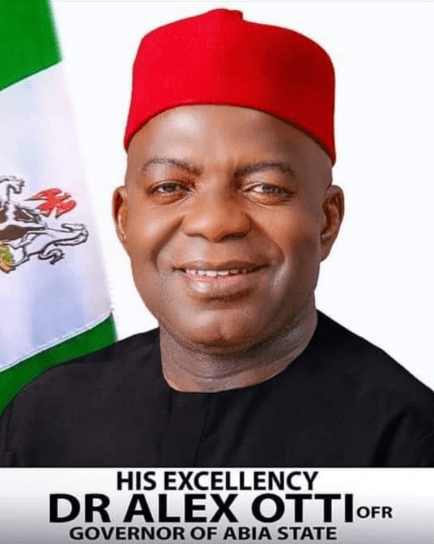
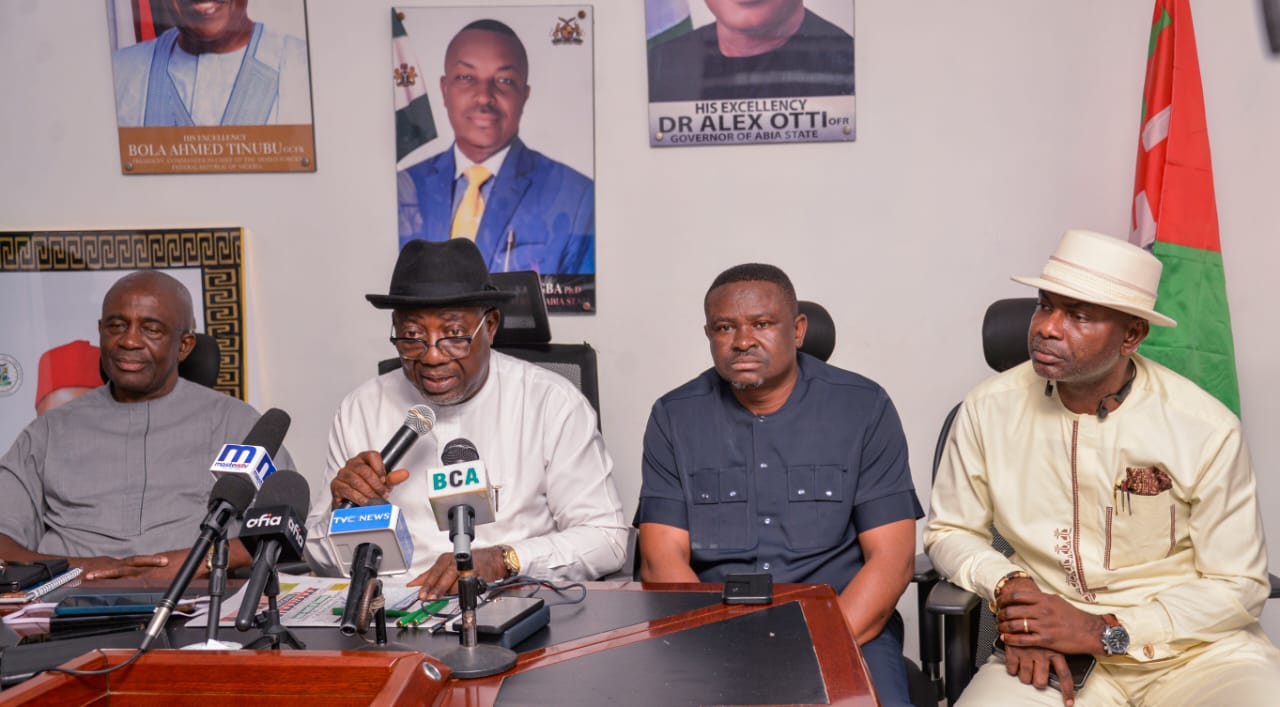
The Abia State Government has clarified that ongoing reforms in tax administration are not an increase in taxes, but measures to make collection more transparent, automated and taxpayer-friendly.
The Commissioner for Information, Prince Okey Kanu, disclosed this at Government House, Umuahia, while briefing journalists after the State Executive Council meeting presided over by Governor Dr. Alex Otti.
“Automation is not a tax increase. Transparency is not a tax increase. Closing revenue leakages is not a tax increase,” Prince Kanu stated.
He said the reforms, in line with existing tax laws and the new national tax framework, are designed to eliminate multiple collections, arbitrary practices and revenue leakages.
The Commissioner stressed that there has been no increase in PAYE, land taxes, vehicle licence fees or Tax Clearance Certificate charges, noting that the State Board of Internal Revenue cannot unilaterally alter tax rates without legislation.
Dr. Emmanuel Okpechi, Special Adviser on IGR, said the new consolidated demand notice for businesses will harmonise charges and stop multiple agency harassments.
“Instead of multiple people coming to harass you, you pay at one point and you are cleared,” he said.
The Executive Chairman of the Abia State Board of Internal Revenue, Mr. Uche Elekwachi, also reiterated that the Board is only enforcing existing laws and improving compliance.
Chief Press Secretary to the Governor, Ctz. Ukoha Njoku Ukoha, said the clarification became necessary following claims by some opposition figures alleging tax increases.
Governor Otti has also approved the immediate disbursement of ₦1 million each to 31 verified Abia returnees from South Africa as interim support for resettlement.
Prince Kanu said the gesture is to provide immediate relief and reassure the returnees that government has not abandoned them. He added that a comprehensive profiling is ongoing to determine their needs for proper reintegration programmes.
The Governor has directed the Commissioner for Poverty Alleviation and Social Protection to investigate if more Abians are still stranded in South Africa for possible assistance.

To mark Abia’s 35th anniversary, government has unveiled a week-long programme starting Sunday, August 23, 2026
Aug 23: Interdenominational thanksgiving service at Michael Okpara Square Event Centre, Nnenna Otti Bus Terminal, Umuahia
-Aug 25: Commissioning of completed projects and flag-off of new ones across the state by Governor Otti
-Aug 26 : Youth Innovation Day with hackathon and technology exhibition
Aug 27 : State broadcast by Governor Otti and anniversary keynote lecture on Abia’s development trajectory
Prince Kanu said the anniversary will provide opportunity to reflect on 35 years of progress and renew commitment to a more prosperous Abia.
The Council also joined in commemorating the 85th birthday of former military administrator, General Ibrahim Badamasi Babangida.
BURNING ISSUE
Abia State Celebrates 35 Years With Project Commissioning, Healthcare Expansion, Technology -Driven Services
As Abia State prepares to mark its 35th anniversary, the administration of Governor Alex Otti has unveiled a fresh package of interventions spanning healthcare, housing, infrastructure, human capital development and technology, reaffirming its resolve to mark the milestone with projects that deliver tangible benefits to residents rather than ceremonies alone.
The decisions were announced following the State Executive Council meeting presided over by Governor Otti.This include the deployment of technology to track high-risk pregnancies, the expansion of functional Primary Healthcare Centres, recruitment of additional healthcare professionals, rehabilitation of housing estates and the development of a new pocket housing scheme in Umuahia.

The administration said the 35th anniversary would be used to commission completed projects and flag off new ones across the State, describing the approach as a deliberate departure from the traditional celebration of state anniversaries through ceremonies and awards.
Governor Otti’s administration maintained that the best way to celebrate Abia is by delivering projects that improve the lives of its people.
At the centre of the healthcare interventions is Cytrack, a locally developed digital application being piloted by the Ministry of Health to identify and monitor high-risk pregnancies across the State.
The technology is particularly designed to support teenage pregnancies, women without supervised antenatal care and expectant mothers at risk of delivering without skilled birth attendants.
 j
j
Cytrack captures essential demographic and pregnancy information, including age and last menstrual period, enabling health officials to determine expected delivery dates, monitor antenatal appointments and maintain contact with pregnant women throughout pregnancy and delivery.
The application also sends reminders to pregnant women, while responsible adults in communities can help ensure that high-risk expectant mothers attend scheduled antenatal appointments.
The technology has already been used by health workers to monitor several teenage pregnancies and facilitate safe deliveries at the Federal Medical Centre, Umuahia, providing a practical demonstration of how digital innovation can be deployed to address real healthcare challenges.
The State Government also announced that Abia has emerged as Nigeria’s number one state in healthcare affordability and among the top three states in healthcare quality, according to the latest Philips Consulting State Performance Index.
Abia was also reported as the only state to achieve top-three positions in 13 of 16 indicators of good governance based on citizens’ perception, reinforcing the administration’s claim of measurable progress across multiple sectors.
At the grassroots level, the first 50 functionalised Primary Healthcare Centres accounted for more than 20 per cent of the over 1.067 million outpatient visits recorded across the State between July 2025 and June 2026.
With three additional PHCs functionalised between July 27 and August 10, the number of functionalised Primary Healthcare Centres in Abia has now risen to 151.
Similarly, enrolment in the Abia State Health Insurance Scheme increased from 233,000 to 237,000 beneficiaries between July 27 and August 7, 2026.
The administration also commended the Abiriba Community Improvement Union, North America Chapter, for pledging to sponsor 1,000 indigent persons under the State Health Insurance Scheme, urging other communities and organisations to emulate the initiative.
The State recorded no outbreak of major public-health diseases during the period under review, including Ebola, Lassa fever, COVID-19, diphtheria, cholera, mpox and yellow fever.
To strengthen the healthcare workforce, the State Civil Service Commission is commencing another round of recruitment of medical professionals.
The exercise follows the employment of 742 medical personnel by the Otti administration so far.
The new recruitment will focus on medical officers, dental officers and consultants, including full-time and part-time consultants, with the application portal scheduled to open on Monday night, August 10.
Beyond healthcare, the State Executive Council has directed the Ministry of Housing to sanitise and rehabilitate the World Bank Housing Estate at Abayi Umuocham, Aba, following concerns over the deteriorating condition of the estate.
The intervention will cover roads and other infrastructure, alongside remedial works aimed at restoring the estate and improving the living environment of residents.
An inspection of the estate revealed various forms of misuse and neglect, including street trading and farming along estate roads.
The government said the rehabilitation would include road improvements and street lighting, while activities contributing to the deterioration of the estate, particularly trading and farming along roads, would no longer be tolerated.
The Ministry of Housing will also collaborate with the Ministry of Works to undertake rainy-season maintenance works at Amaoba Housing Estate, Umuahia, pending the permanent reconstruction of the estate roads.
The State Government has equally provided a new transformer to alleviate electricity challenges confronting residents of the estate.
The proposed Pocket Housing Layout in Umuahia is also progressing, with the State planning to provide different categories of quality residential accommodation.
The scheme will comprise detached five-bedroom houses with boys’ quarters, semi-detached houses, and two- and three-bedroom blocks of flats.
Registration of intending subscribers will commence through an Expression of Interest process, followed by the opening of a dedicated payment portal.
The government said the scheme would operate on a transparent, first-come, first-served basis, with an off-plan payment structure requiring 30 per cent at the commencement of construction, 40 per cent around the midpoint and the remaining 30 per cent upon completion.
Contractors are expected to mobilise to site within the next week, with the government targeting completion within the next few months after flag-off.
The first occupants are expected to take possession of the houses by the end of 2026 or early 2027.
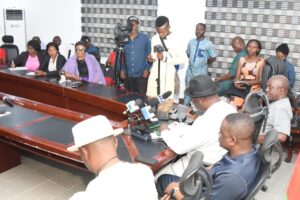
As Abia marks 35 years of state creation, the Otti administration said the anniversary would serve as a platform for commissioning completed projects and flagging off new ones across the State.
Rather than focusing primarily on celebrations, the government said the occasion would demonstrate the transformation taking place across Abia through investments in healthcare, housing, infrastructure, human capital development and technology-driven public services.
The administration said the emerging picture is that of a “New Abia” being built through practical interventions capable of delivering measurable value to the people.
The projects and reforms, it added, reflect Governor Otti’s determination to build a healthier, better-planned, more prosperous and more liveable Abia, while using the State’s 35th anniversary to demonstrate that development is best celebrated through tangible improvements in the lives of citizens.
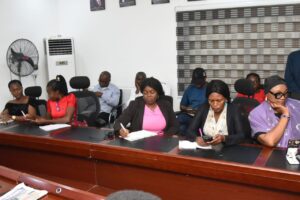
CAPACITY BUILDING
Governor Otti Flags Off 2026 Zonal Traditional Rulers’ Capacity Building Workshop In Abia Central
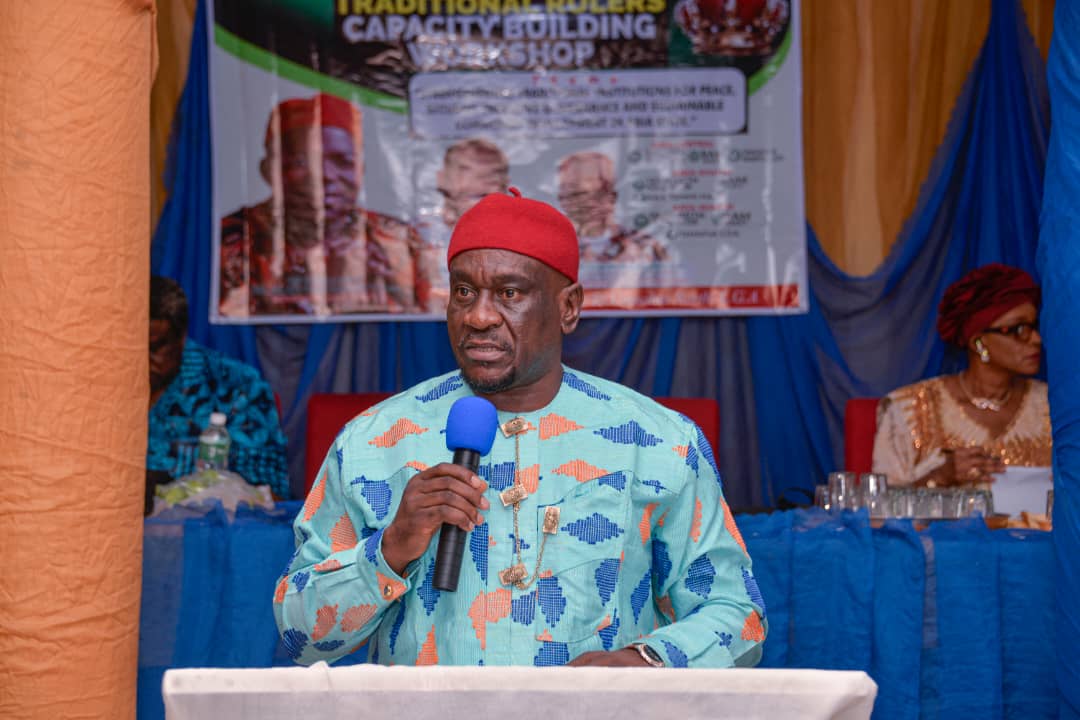
The Abia State Government has flagged off the 2026 Zonal Traditional Rulers’ Capacity Building Workshop for Abia Central Senatorial Zone, as part of efforts to strengthen traditional institutions for peace, security and grassroots development.
Governor Dr. Alex Otti, OFR, declared the workshop open on Thursday, July 6, 2026 at the Umuahia North LGA Headquarters. He was represented by the Commissioner for Local Government and Chieftaincy Affairs, Prince Uzor Nwachukwu.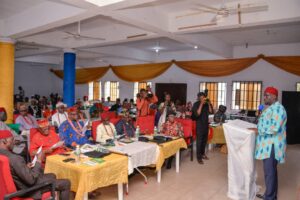
The Governor said the workshop was designed to equip royal fathers with modern tools for conflict resolution, administrative leadership and community development.
“We are not gathering traditional rulers just to have you in one place. Our core objective is to awaken the responsibility consciousness of our traditional rulers and connect the timeless wisdom of our community leadership heritage with the evolving demands of modern governance,” Gov. Otti stated.
He described traditional rulers as _”the first line of defence in community peace, stability and development” and urged them to make effective use of the training.
The workshop, organized by the Ministry of Local Government and Chieftaincy Affairs in collaboration with the 17 Local Government Councils, has the theme: “Strengthening Traditional Institutions for Peace, Security, Inclusive Governance and Sustainable Community Development in Abia State.”
Giving an overview, the Permanent Secretary of the Ministry, Lady Oge Maduka, said the programme seeks to strengthen leadership capacity, reinforce cultural custodianship, and provide a platform for exchange of ideas to address modern challenges at the grassroots.
Speaking for participants, the Traditional Ruler of Ọrọ-Ibere Autonomous Community, Eze Dr. Stanley Ijenwa, commended Governor Otti for the initiative. He described the workshop as timely and urged that it be sustained, assuring that traditional rulers will implement the lessons learnt to enhance peace and security in their domains.
The zonal workshop is the first in the series scheduled for the three senatorial zones in the state and featured paper presentations by resource persons.
-

 BURNING ISSUE1 month ago
FG, UNDP, TETFUND And Governor Otti Launch Manu-Tech UniPod, Says Innovation Will Power Abia’s Next Industrial Revolution
-
 BURNING ISSUE2 months ago
Abia Strengthens Security Architecture With Okada Restrictions, Citizen’s Engagement Centre, And Statewide Digital Connectivity Drive
-

 Education4 weeks ago
NSCDC, CDOWA Launch Statewide Safe School Campaign In Abia, Donate Educational And Sanitary Materials To Students
-

 BURNING ISSUE3 weeks ago
Tinubu, Obasanjo, Dame Patience Jonathan, Otti Lead National Tribute To Aguiyi-Ironsi At 60th Memorial Thanksgiving
-

 NATIONAL NEWS1 month ago
NSCDC Strengthens Private Security Regulation In Abia …Moves To Enhance National Security Architecture
-

 Uncategorized2 months ago
Abia Government Cracks Down on Okada Operations in Major Cities, Violators Risk Arrest and Confiscation
-

 ABIA AIRPORT PROJECT2 months ago
Presidency Hails Abia’s Transformation As Renewed Hope Media Tour Showcases Impact Of Federal, State Projects
-
 BURNING ISSUE2 months ago
Abduction Of Two Abia School Children Heightens Security Concerns