
HEALTH
WORLD BREASTFEEDING WEEK: Abia First Lady gifts nursing mothers, advocates for exclusive breastfeeding

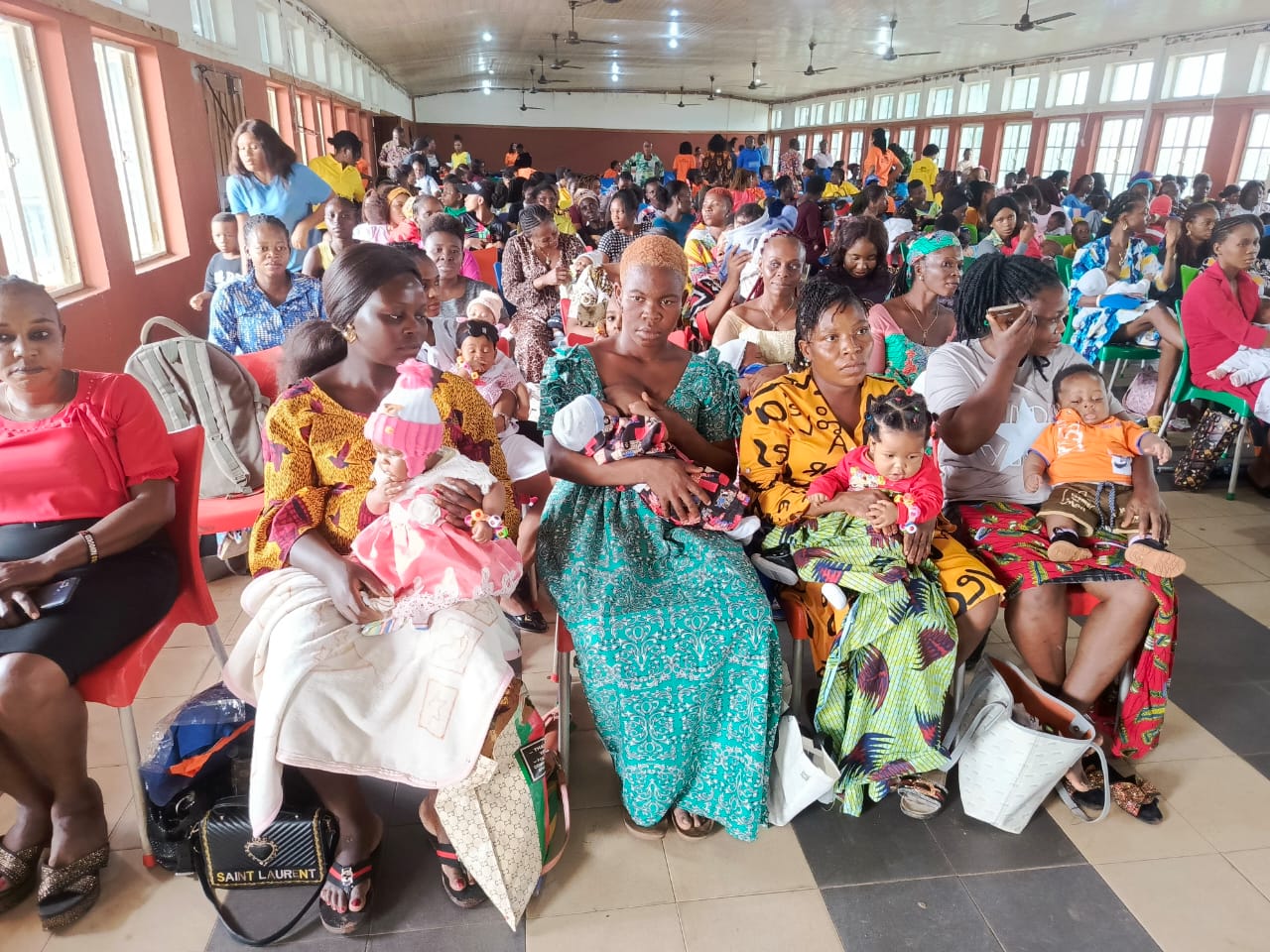
WORLD BREASTFEEDING WEEK: Abia First Lady gifts nursing mothers, advocates for exclusive breastfeeding
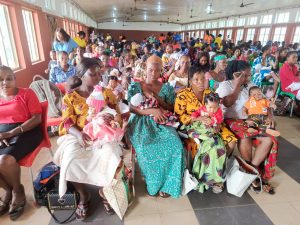
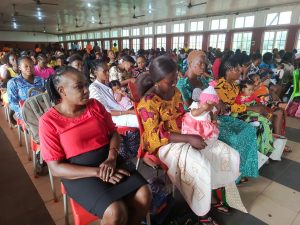
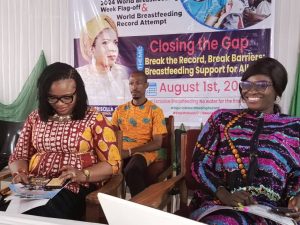
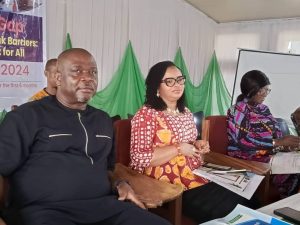
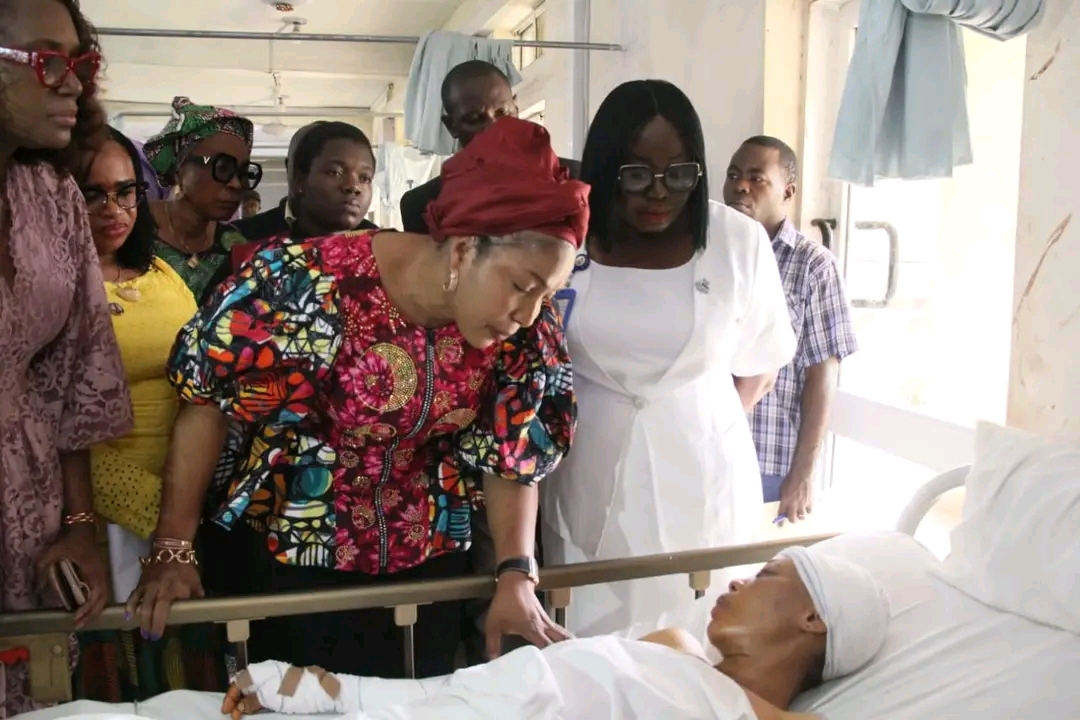
Mrs. Priscilla Otti, the wife of the Abia State Governor, urged nursing mothers to confidently embrace exclusive breastfeeding, emphasizing that they have the power to provide their children with the best possible start in life. She made this statement at the Bishop Nwaedo Pastoral Center in Umuahia during the launch of the 2024 World Breastfeeding Week, organized by the Abia State Primary Healthcare Development Agency under the theme: “Closing the Gap: Breastfeeding Support for All.”
Represented by Mrs. Blessing Felix, the Commissioner for Women Affairs and Poverty Alleviation, Mrs. Otti highlighted that breastfeeding is a unique gift only a mother can give to her child and a sacrifice blessed by God. She encouraged nursing mothers to prioritize their own nutrition, as a healthy diet is essential for producing nourishing breast milk.
Mrs. Otti emphasized the State’s commitment to creating a supportive environment for mothers, calling on Ministries, Departments, and Agencies to provide creche facilities for working mothers. She also announced that the State Government has established breastfeeding-friendly areas in some offices with trained healthcare workers to offer lactation support.
She urged mothers to visit primary healthcare centers in their communities for breastfeeding counseling and support, where healthcare professionals can address knowledge gaps and promote the numerous benefits of breastfeeding for children.
Also speaking, Dr. Ifeyinwa Uma-Kalu, Permanent Secretary of the Ministry of Health, described breastfeeding as a divine provision for the healthy growth of children. She encouraged mothers to engage in the practice, noting that it not only nourishes the body and soul but also strengthens the bond between a mother and her children.
In his welcome address, Dr. Kalu U Kalu, Executive Secretary of the Abia State Primary Healthcare Development Agency, explained that the purpose of World Breastfeeding Week is to raise awareness about breastfeeding and its benefits. He noted that this year’s theme was chosen to address identified knowledge gaps, particularly the lack of information among women about breastfeeding.
Mr. Ephraim Chukwu, a UNICEF representative, expressed appreciation for the Abia State Government’s efforts in organizing the event. He noted that the initiative aims to achieve at least 50 percent coverage of breastfeeding by 2025. Mr. Chukwu highlighted that breastfeeding, ideally initiated within the first hour after birth and exclusively continued for the first six months, is crucial for stimulating a baby’s development and ensuring survival.
The Governor’s wife presented gifts and starter packs to the nursing mothers.









BURNING ISSUE
Abia State Celebrates 35 Years With Project Commissioning, Healthcare Expansion, Technology -Driven Services


As Abia State prepares to mark its 35th anniversary, the administration of Governor Alex Otti has unveiled a fresh package of interventions spanning healthcare, housing, infrastructure, human capital development and technology, reaffirming its resolve to mark the milestone with projects that deliver tangible benefits to residents rather than ceremonies alone.
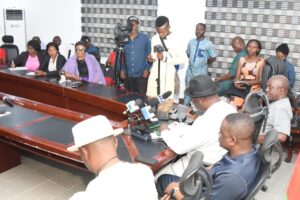
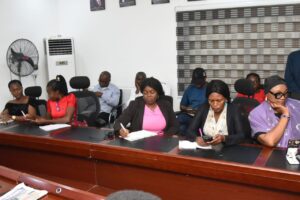
The decisions were announced following the State Executive Council meeting presided over by Governor Otti.This include the deployment of technology to track high-risk pregnancies, the expansion of functional Primary Healthcare Centres, recruitment of additional healthcare professionals, rehabilitation of housing estates and the development of a new pocket housing scheme in Umuahia.

The administration said the 35th anniversary would be used to commission completed projects and flag off new ones across the State, describing the approach as a deliberate departure from the traditional celebration of state anniversaries through ceremonies and awards.
Governor Otti’s administration maintained that the best way to celebrate Abia is by delivering projects that improve the lives of its people.
At the centre of the healthcare interventions is Cytrack, a locally developed digital application being piloted by the Ministry of Health to identify and monitor high-risk pregnancies across the State.
The technology is particularly designed to support teenage pregnancies, women without supervised antenatal care and expectant mothers at risk of delivering without skilled birth attendants.
 j
j
Cytrack captures essential demographic and pregnancy information, including age and last menstrual period, enabling health officials to determine expected delivery dates, monitor antenatal appointments and maintain contact with pregnant women throughout pregnancy and delivery.
The application also sends reminders to pregnant women, while responsible adults in communities can help ensure that high-risk expectant mothers attend scheduled antenatal appointments.
The technology has already been used by health workers to monitor several teenage pregnancies and facilitate safe deliveries at the Federal Medical Centre, Umuahia, providing a practical demonstration of how digital innovation can be deployed to address real healthcare challenges.
The State Government also announced that Abia has emerged as Nigeria’s number one state in healthcare affordability and among the top three states in healthcare quality, according to the latest Philips Consulting State Performance Index.
Abia was also reported as the only state to achieve top-three positions in 13 of 16 indicators of good governance based on citizens’ perception, reinforcing the administration’s claim of measurable progress across multiple sectors.
At the grassroots level, the first 50 functionalised Primary Healthcare Centres accounted for more than 20 per cent of the over 1.067 million outpatient visits recorded across the State between July 2025 and June 2026.
With three additional PHCs functionalised between July 27 and August 10, the number of functionalised Primary Healthcare Centres in Abia has now risen to 151.
Similarly, enrolment in the Abia State Health Insurance Scheme increased from 233,000 to 237,000 beneficiaries between July 27 and August 7, 2026.
The administration also commended the Abiriba Community Improvement Union, North America Chapter, for pledging to sponsor 1,000 indigent persons under the State Health Insurance Scheme, urging other communities and organisations to emulate the initiative.
The State recorded no outbreak of major public-health diseases during the period under review, including Ebola, Lassa fever, COVID-19, diphtheria, cholera, mpox and yellow fever.
To strengthen the healthcare workforce, the State Civil Service Commission is commencing another round of recruitment of medical professionals.
The exercise follows the employment of 742 medical personnel by the Otti administration so far.
The new recruitment will focus on medical officers, dental officers and consultants, including full-time and part-time consultants, with the application portal scheduled to open on Monday night, August 10.
Beyond healthcare, the State Executive Council has directed the Ministry of Housing to sanitise and rehabilitate the World Bank Housing Estate at Abayi Umuocham, Aba, following concerns over the deteriorating condition of the estate.
The intervention will cover roads and other infrastructure, alongside remedial works aimed at restoring the estate and improving the living environment of residents.
An inspection of the estate revealed various forms of misuse and neglect, including street trading and farming along estate roads.
The government said the rehabilitation would include road improvements and street lighting, while activities contributing to the deterioration of the estate, particularly trading and farming along roads, would no longer be tolerated.
The Ministry of Housing will also collaborate with the Ministry of Works to undertake rainy-season maintenance works at Amaoba Housing Estate, Umuahia, pending the permanent reconstruction of the estate roads.
The State Government has equally provided a new transformer to alleviate electricity challenges confronting residents of the estate.
The proposed Pocket Housing Layout in Umuahia is also progressing, with the State planning to provide different categories of quality residential accommodation.
The scheme will comprise detached five-bedroom houses with boys’ quarters, semi-detached houses, and two- and three-bedroom blocks of flats.
Registration of intending subscribers will commence through an Expression of Interest process, followed by the opening of a dedicated payment portal.
The government said the scheme would operate on a transparent, first-come, first-served basis, with an off-plan payment structure requiring 30 per cent at the commencement of construction, 40 per cent around the midpoint and the remaining 30 per cent upon completion.
Contractors are expected to mobilise to site within the next week, with the government targeting completion within the next few months after flag-off.
The first occupants are expected to take possession of the houses by the end of 2026 or early 2027.
As Abia marks 35 years of state creation, the Otti administration said the anniversary would serve as a platform for commissioning completed projects and flagging off new ones across the State.
Rather than focusing primarily on celebrations, the government said the occasion would demonstrate the transformation taking place across Abia through investments in healthcare, housing, infrastructure, human capital development and technology-driven public services.
The administration said the emerging picture is that of a “New Abia” being built through practical interventions capable of delivering measurable value to the people.
The projects and reforms, it added, reflect Governor Otti’s determination to build a healthier, better-planned, more prosperous and more liveable Abia, while using the State’s 35th anniversary to demonstrate that development is best celebrated through tangible improvements in the lives of citizens.
BURNING ISSUE
Presidential Visit, Education, Healthcare Reforms Drive Abia To Nigeria’s 3rd Most Improved State — Otti
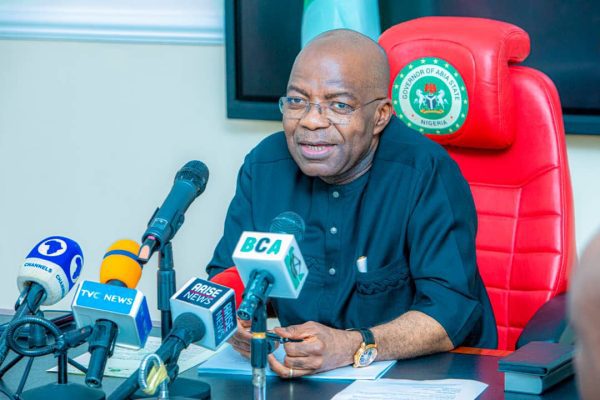
Governor Alex Otti has attributed Abia State’s emergence as Nigeria’s third most improved state in the 2026 Phillips Consulting State Performance Index to his administration’s strategic investments in healthcare, education, infrastructure.
Also his governance and the growing collaboration with the Federal Government, including the recent visit of the First Lady of the Federal Republic of Nigeria, Senator Oluremi Tinubu.
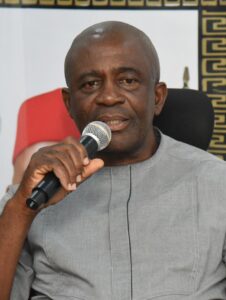
Speaking during the July edition of his monthly media chat at the Government House, Umuahia, Governor Otti described the latest ranking as a clear validation of his administration’s reforms.
The Governor said the progress reflects the positive impact of government policies on the lives of Abians.
The first Abia citizen noted that Abia has made one of the most remarkable improvements in the country’s performance ranking, rising from 36th position in 2024 to 10th in 2025, and now 3rd in the 2026 Phillips Consulting State Performance Index, behind only Enugu and Jigawa States.
Governor Otti said the state’s transformation has been driven by sustained investments in critical sectors, particularly healthcare, education, infrastructure, land administration and economic development.
Highlighting achievements in the health sector, he disclosed that Abia recorded one of Nigeria’s best performances in reducing maternal and infant mortality in the first quarter of 2026, while enrolment into the Abia State Health Insurance Scheme continues to increase.
According to him, 144 of the state’s 200 Primary Healthcare Centres have been fully functionalised, while 77 additional health facilities renovated through the World Bank intervention have also been completed, with about 30 more centres expected to become operational soon.
On transportation and infrastructure, Governor Otti announced that the state has received 20 additional electric buses, which would operate on routes including Umuahia–Bende–Arochukwu, Umuahia–Uturu (ABSU), Umuahia–Umudike–Ikwuano, Aba–Owerri and Aba–Ukwa. He added that surveillance systems have been installed in the buses to ensure accountability and improve service delivery.
The Governor further disclosed that work is progressing steadily on the Aba Bus Terminal, while the first phase of the Ekeoma Market remodelling has been completed and would soon be commissioned.
In the area of land administration, Governor Otti said the government has issued 4,923 Certificates of Occupancy within three years, with nearly 1,000 processed this year alone, adding that the completion of the state’s digital mapping project in partnership with UN-Habitat would usher in a fully digitised land administration system that would eliminate fraudulent land transactions and speed up property documentation.
On education, he said the administration’s Smart School initiative is gathering momentum with two Smart Schools already commissioned out of the planned twenty, assuring that the remaining eighteen schools would be completed soon.
“The idea is to expose our children to modern technology from an early stage,” the Governor stated.
Addressing ongoing infrastructure projects, Governor Otti acknowledged that the rainy season has slowed the pace of road construction but assured residents that work continues across major project sites. He also reaffirmed the government’s commitment to ending flooding through the construction of durable drainage infrastructure.
Responding to concerns over rising rents in Umuahia and Aba, the Governor attributed the increase to growing demand for accommodation and announced that the government would soon commence the Pocket Layout Housing Project in Umuahia to bridge the housing deficit.
Governor Otti described the recent visit of the First Lady of the Federal Republic of Nigeria, Senator Oluremi Tinubu, as a major boost to Abia’s creative economy. He revealed that a dedicated bank account has been opened for the Akwete Cloth Production Hub, while the First Lady has authorised the release of the funds she pledged to support the Akwete women’s weaving initiative.
He urged residents to promote indigenous industries by patronising and wearing the locally woven Akwete fabric.
The Governor also commended residents for embracing environmental sanitation, urged them to sustain the culture of cleanliness, praised security agencies for maintaining peace across the state and congratulated the Commissioner of Police on his promotion to the rank of Assistant Inspector-General of Police (AIG).
Abia State Centre For Rehabilitation Of Survivors Of Rape
Governor Alex Otti’s Healthcare Reforms Deliver Results
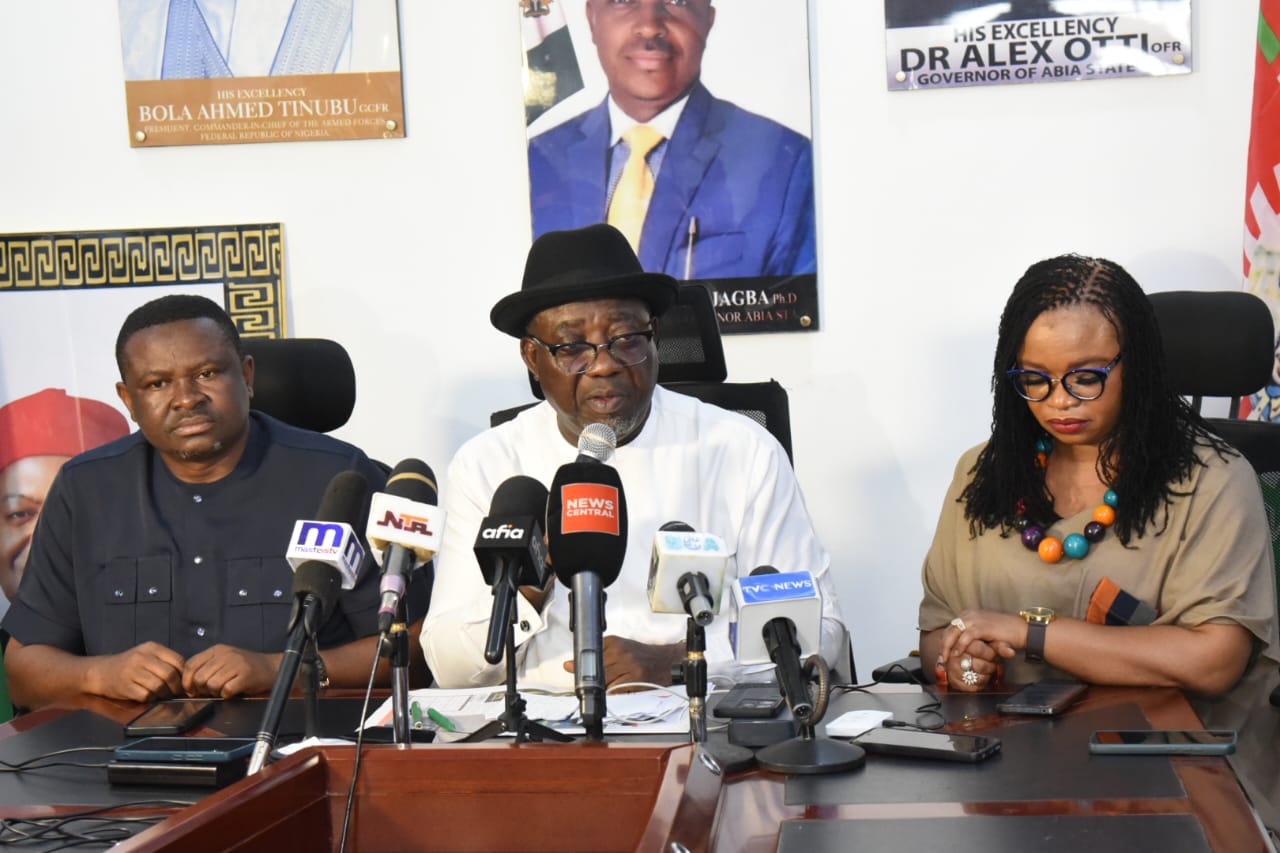
…Federal Health Ranking: Abia Emerges Among Nigeria’s Best in Maternal, Infant Survival
Abia State has emerged as one of Nigeria’s best performing states in reducing maternal and infant mortality.
This is a landmark achievement attributed to Governor Alex Otti’s sustained investments and far-reaching reforms in the healthcare sector.

The recognition was announced during the State Executive Council weekly press briefing by the Commissioner for Information, Prince Okey Kanu.
Following the release of the Federal Ministry of Health’s First Quarter Performance Dialogue,the nation’s flagship accountability platform that brings together federal health authorities, commissioners for health from the 36 states and development partners to evaluate health sector performance and monitor key indicators.
According to the report, Abia has recorded remarkable improvements in maternal and neonatal health outcomes.
Commissioner for Health, Professor Enoch Ogbonnaya Uche, disclosed that the state recorded only one maternal death in the first quarter of 2026, maintaining the figure achieved in the last quarter of 2025, while neonatal mortality declined from nine to seven, placing Abia among Nigeria’s leading performers in maternal and child health.
The achievement reflects the impact of Governor Alex Otti’s deliberate investment in rebuilding the state’s healthcare system through the revitalisation of Primary Healthcare Centres (PHCs), expansion of health insurance coverage, digital healthcare innovation and improved access to quality medical services.
Under the first phase of Project Ekwueme, the state is revitalising 200 Primary Healthcare Centres alongside 77 World Bank-supported IMPACT PHCs. So far, 139 facilities have been fully functionalised, while 50 are currently being equipped and the remaining centres are nearing completion.
The upgraded facilities now provide modern equipment, improved maternal and child healthcare services, and digital health infrastructure that is transforming healthcare delivery across the state.
The state’s Digital Health Project is equally recording impressive milestones, with over 9,136 patients onboarded across nine public hospitals within the last three months, while enrolment into the Abia State Health Insurance Scheme has surged from 40,000 beneficiaries in December 2024 to 225,581 as of July 2026, reflecting growing public confidence in the government’s healthcare reforms.
Further demonstrating its leadership in public health innovation, Abia is spearheading a regional collaboration involving Anambra, Delta and Akwa Ibom States to domesticate a digital immunisation tracking system that links children’s vaccination records with other social data to strengthen disease surveillance, improve healthcare planning and ensure seamless access to immunisation records.
Prince Kanu also disclosed that rehabilitation work at Obingwa General Hospital has reached an advanced stage, with state-of-the-art medical equipment, Digital Health and Telehealth facilities currently being installed ahead of commissioning.
Beyond healthcare, the State Executive Council highlighted notable achievements across justice delivery, social protection and sports development.
The government recorded significant successes in protecting vulnerable citizens with the successful prosecution and conviction of two child sexual offenders through the NCHEDO Sexual Assault Referral Centre, reinforcing the administration’s zero-tolerance policy against sexual and gender-based violence. Government has also established a Sex Offenders Register at the Ministry of Justice to serve as a deterrent and strengthen accountability.
The Ministry of Poverty Alleviation and Social Protection continues to expand support for vulnerable residents through medical and humanitarian interventions, while also providing assistance to the family of the late nursing student, Wendy Achumba.
In sports, six talented young footballers discovered during the Abia Dreamland Under-19 Cup have secured opportunities with European football partners. The Abia State Volleyball Team has returned to the Nigerian Volleyball Premier League after 23 years, while Abia Angels Football Club has qualified for the Nigerian Women’s Football League Super Six for the first time in its history.
Professor Uche urged residents to complement government efforts by observing proper food hygiene and safety practices to prevent food borne diseases, stressing that maintaining clean food preparation environments and safe drinking water remains essential to protecting public health.
The latest Federal Ministry of Health ranking underscores the success of Governor Alex Otti’s people-centred governance, demonstrating that strategic investments in healthcare infrastructure, digital innovation, skilled manpower and primary healthcare can significantly improve health outcomes and enhance the quality of life for citizens.
-

 BURNING ISSUE1 month ago
FG, UNDP, TETFUND And Governor Otti Launch Manu-Tech UniPod, Says Innovation Will Power Abia’s Next Industrial Revolution
-
 BURNING ISSUE2 months ago
Abia Strengthens Security Architecture With Okada Restrictions, Citizen’s Engagement Centre, And Statewide Digital Connectivity Drive
-

 Education3 weeks ago
NSCDC, CDOWA Launch Statewide Safe School Campaign In Abia, Donate Educational And Sanitary Materials To Students
-

 NATIONAL NEWS1 month ago
NSCDC Strengthens Private Security Regulation In Abia …Moves To Enhance National Security Architecture
-

 BURNING ISSUE2 weeks ago
Tinubu, Obasanjo, Dame Patience Jonathan, Otti Lead National Tribute To Aguiyi-Ironsi At 60th Memorial Thanksgiving
-

 Uncategorized2 months ago
Abia Government Cracks Down on Okada Operations in Major Cities, Violators Risk Arrest and Confiscation
-
 BURNING ISSUE1 month ago
Abduction Of Two Abia School Children Heightens Security Concerns
-

 ABIA AIRPORT PROJECT2 months ago
Presidency Hails Abia’s Transformation As Renewed Hope Media Tour Showcases Impact Of Federal, State Projects