
NEWS
Restoring Faith in Nigeria’s Democracy: New Paths to Guaranteed Outcomes


Across the world, there is a consensus that Nigeria is a very strategic country. Its enormous population size of more than 200 million people clearly sets it apart as one of the most populous destinations on earth, and home to the largest concentration of black people in the world. Our beloved country is also renowned for its large mineral deposits and extensive gas reserves, economic and political influence in Africa, especially in the West African region. This great nation also enjoys longstanding trade and diplomatic relationships with the most dominant global powers including the US, China, and the European Union.
Beyond all of these, and as important as they are, my estimation of the most important strength of Nigeria lies in the dynamic adaptability, intellect and resilience of our people. Our true greatness, I dare say, comes from the power and reach of ordinary Nigerians, the individuals whose energy, passion and imagination are creatively expanding the frontiers of our awareness, interactions, and the cultural memories we shall leave for future generations. Through the traffic gridlocks along Lagos roads to the ever-busy markets in Aba and Kano, the most common descriptions that capture the Nigerian spirit are energy, resilience, creativity and industry. Outside the shores of our country, from Washington to Boston, London, Brussels, Rio de Janeiro and Shanghai, Nigerians are remarkable for our exceptional ability to adapt to new environments and realities, systems and cultures.
Nigeria, many who are familiar with the country and its dominant ethos will agree, is a very beautiful country; but it is also a deeply controversial place. To the incurable optimist, Nigeria is the most fantastic place on earth — good weather condition, friendly population and a fine mix of urban and sub-urban locations. At the opposite end of the pole are implacable cynics, those who can effortlessly place all the troubles in the world within Nigeria’s geographic boundaries. This latter group are very likely to remember Nigeria as the origin of most of the scam proposals that hit their emails, a place of poverty and hopelessness, and definitely, a country with very corrupt political and business elites. In all honesty, there is no exact way to exhaustively look at Nigeria. To be able to understand it quite objectively, one must appreciate the good without attempting to downplay the not-so-good. Nigeria is troubled and that’s very true. But it is also a place of opportunities, a land of dreams and a cradle of hope for tens of millions of people. To properly situate Nigeria’s objective reality is a very difficult assignment; it requires one to take a step back, and then gaze into the future to imagine what could be, as against what is, and what was.
Nigeria at the beginning of the new millennium was a place of hope, a land brimming with expectations. Many had looked forward to the future with great optimism around the middle of 1999 as the country, after years of uncertainty with its attendant cost in human lives and material resources, returned to democratic rule. The return to democracy at the end of the 20th century was believed in many quarters, and for good reasons too, as the ultimate elixir to catapult Nigeria to its true place of greatness. The rich promises of democracy, and the enthusiasm with which it was embraced after years of anticipation, convinced many that the 21st century was ours to take.
In view of our ugly experiences with military dictators headlined by false and unfulfilled promises, corruption and plain disregard for civil rights, millions of Nigerians pinned their hopes of national revival on the shoulders of the newly elected democratic leaders, believing firmly that the participatory governance model will usher in a new era of mass prosperity, restoration and expansion of our stock of public infrastructure, and ascension in the order of global importance. It has been 25 long years since Nigeria took this path; sadly, the outcome has been a far cry from what was expected at the turn of the new millennium.
Democracy in Nigeria has regrettably left very sour taste in the mouths of millions of patriotic citizens. Many lives have been lost through violence, often in pursuit of core democratic ideals such as exercising one’s right to vote or be voted for. Millions have fled their communities and the country altogether — believing that it is safer to watch things from afar, without the risks of getting involved. For scores of millions of others, their faith in democracy has been greeted with eviscerating poverty, insecurity and job losses. The basic amenities that are taken for granted, even in neighbouring African countries, are a distant reality for millions of our people.
Across Nigeria, there is disillusionment with how the country has fared over the last 25 years. In 1999, it would have been impossible to suggest that after twenty five years, we will still be struggling with public electricity supply, petrol scarcity or that the public schools and hospitals would be where they are today. Unfortunately, that is our reality. Getting out of the quagmire requires some truth telling, an honest assessment and an admission that we could have done better — and then evaluate the options before us.
Across the world, there is a great reawakening amongst the Nigerian diaspora community, the body of professionals and the army of educated but thoroughly dissatisfied young people who are simply frustrated with the reality and misery of their daily existence. Many Nigerians living within and outside the country are coming to the awareness that the destiny of our country is too important to be left in the hands of career politicians and their cronies. This is not a good time to talk about patriotism to millions of our compatriots because of the bad experiences, unpleasant memories, and ugly reports we are regularly fed with, some bordering on the most bizarre and ridiculous. Our situation, to say the least, is very distressing.
Although doubts and cynicisms remain about what to do and what outcomes may be achieved in the renewed agitation for a country that serves the yearnings of its citizens, the new consciousness that we deserve better, could be a great turning point in our journey to national restoration. It needs to be said at once that the efforts to turn things around will not yield immediate results and not much will be achieved if we imagine that the quest for a more functional society should only be restricted to just a few persons or groups. While I would agree that like in every significant venture, some persons will, for variety of reasons, make more sacrifices than others, it must nevertheless be made known that there is a role for everyone in the on-going struggle to reclaim our country from the grip of the vicious forces that have held it down for ages, and finally set it free to attain its fullest potential.
Although it is true that Nigerians must, as a matter of patriotic duty, stay at the forefront of this enormous struggle to tilt things along a more productive path, it has to equally be acknowledged that we shall need all the help we can get from our friends around the world to rebuild our country from the ruins of the bad decisions of yesteryears. The crises of today, including challenges in governance, economic upheavals, widespread insecurity across several parts of the country, hunger and poverty, and other pointers to national failure, can be traced to the misjudgements of the past — especially in our choice of leaders across the national and subnational levels, and the terrible decisions made by those leaders on our collective behalf. We can no longer afford to play the ostrich. Nigeria is where it is today because we had either refused to fully acknowledge, and take up our obligations as patriots, or had gone about it the wrong way in the choices we made over the years. The good news however is that our country is not beyond redemption, irrespective of whatever doomsday cynics say.
Nigeria, and its democracy, can be recovered and restored but that will only happen when we come to terms with the responsibilities and obligations of citizenship. The inescapable truth is that our duties as citizens, leaders, friends and lovers of Nigeria can no longer be put off. The only way out of the present quagmire which has made millions of Nigerians refugees in their homelands and hundreds of thousands of others unwilling migrants overseas, is to appreciate that as citizens, we have all it takes to turn the tide around.
The theme of our intervention today rightly acknowledges that all is not well, that democracy has not taken us to the destination we desire — that what started as a beautiful dream, has become for millions, a terrible nightmare. Freedom comes from knowledge so we have to ask ourselves the hard questions that will ultimately bring us to the place where responsibility replaces blames and all fingers pointed outwards, towards others, redirected at ourselves.
Democracy can be likened to a medical prescription. In regular medical prescriptions, there are responsibilities the patient must undertake to bear such as avoiding certain foods and beverages, and other exposures that may hurt the potency of the drugs administered. This same system of regulations and responsibilities applies to democracy. Unfortunately, that is where we have largely failed because we had assumed, perhaps in error, that once this prescription is taken, all will be well, irrespective of what we did, or refused to do. Regrettably, that has not worked. The failures of the last 25 years, vis-à-vis the progress recorded in other democratic societies across the world, even within Africa, tells us clearly that the fault is not in democracy, but in the way we have interacted with it. Like the man who hopes to overcome his health challenges by diligently taking his drugs, the time has come for us to go through the prescription booklets, read the fine prints to find out what we may have missed. Returning to the basics will help us to get our acts together in terms of how we make choices at the polls, and interact with public officials, whether elected or appointed. We may also need to re-evaluate how we engage with the broad spectrum of stakeholders, officials and institutions including the law enforcement agencies, political parties, law makers and of course, the courts. From a careful study of governance systems across the world, one thing I can say with certainty is that democracy and docility cannot go together.
The most enduring appeal of democracy is the voice it gives every adult in the society — an opportunity to have a say in how public affairs are conducted. The ultimate good for the majority cannot be attained in a culture that promotes docility over courage, especially when things are not going according to plan. It is, however, important to state quickly that courage must never be misrepresented to mean violence and destruction. As a matter of fact, democracy abhors violence expressed in any form, verbally or physically.
The tremendous advances in information and communications technology offer us an important leverage previous generations never had. The key advantage for me is the reach and influence of new media platforms — the power to share our thoughts and views on any major issue with millions of people across geographical boundaries. If what you say or write from a small corner of your room anywhere in the world can be read or heard thousands of miles away with very little effort on your part, why then does anyone need to burn down public buildings or destroy the property of fellow citizens to get the attention of leaders? It may be news to many but I can assure you that even the most hardened, unconscionable dictator pays attention to the expressed opinions and views of the public because every man or woman of power understands the power of small voices amplified by technology and persistence.
To rebuild the damaged foundation of our democracy, we need to regain our voices. I am not ignorant of the frustration and disappointment millions of our young people feel in the light of recent electoral outcomes where you contributed financial and other valuable resources to support your favourite candidates in state and national elections but unfortunately, things did not go the way those who designed the structural foundations of democracy envisioned.
As somebody who had faced the challenge that comes with electoral injustice, I know exactly what many of our young patriots are going through but my story also teaches some important lessons in persistence and faith, especially in the face of disappointment. We must refuse to give up on democracy, and on our dear country. The young people of Nigeria, at home and in the diaspora, will be the largest and most enduring influence on the texture and dynamics of Nigeria’s democracy in the next 25 years. It is these young, seemingly uncoordinated voices on various social media platforms that will determine what becomes of our democracy in the next few decades. Admitted that the social and economic troubles of the moment have made the pursuit of certain democratic ideals herculean, my conviction is that nothing will stop the present generation of young Nigerians from fulfilling their destiny, having discovered it in the miseries and setbacks of the present age.
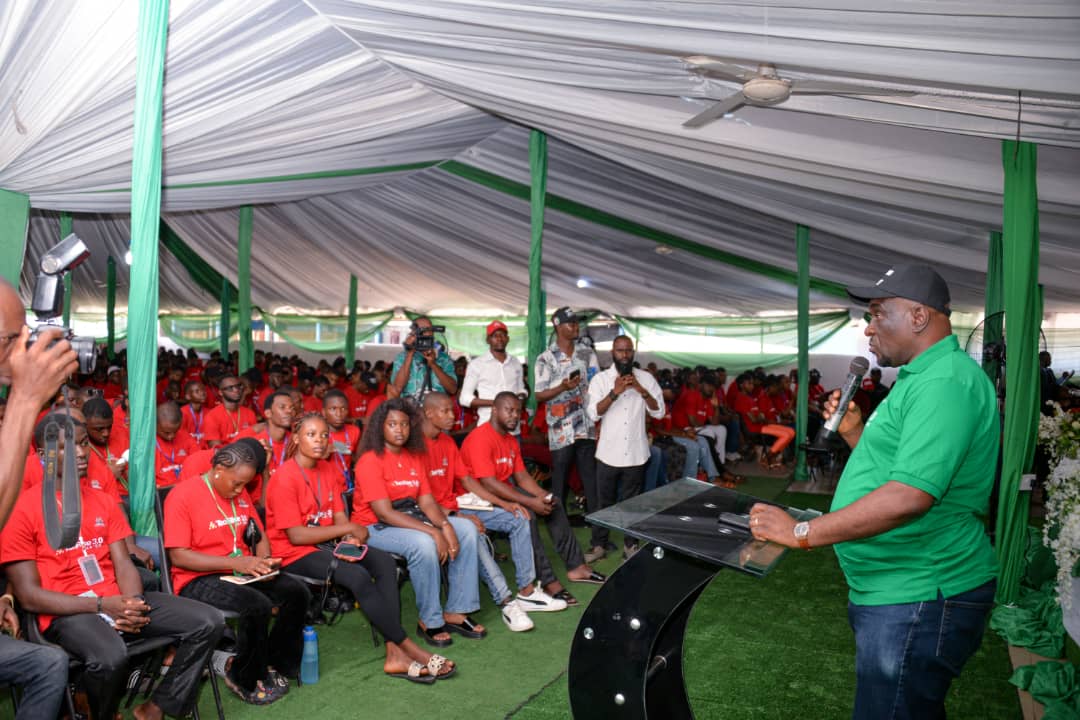
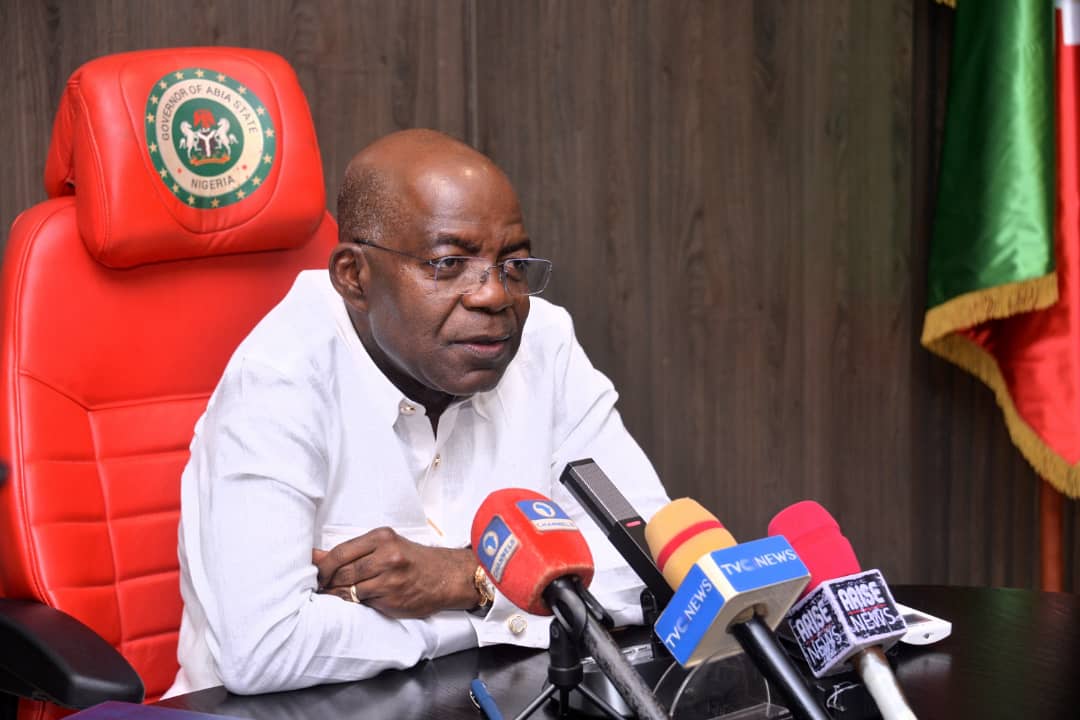
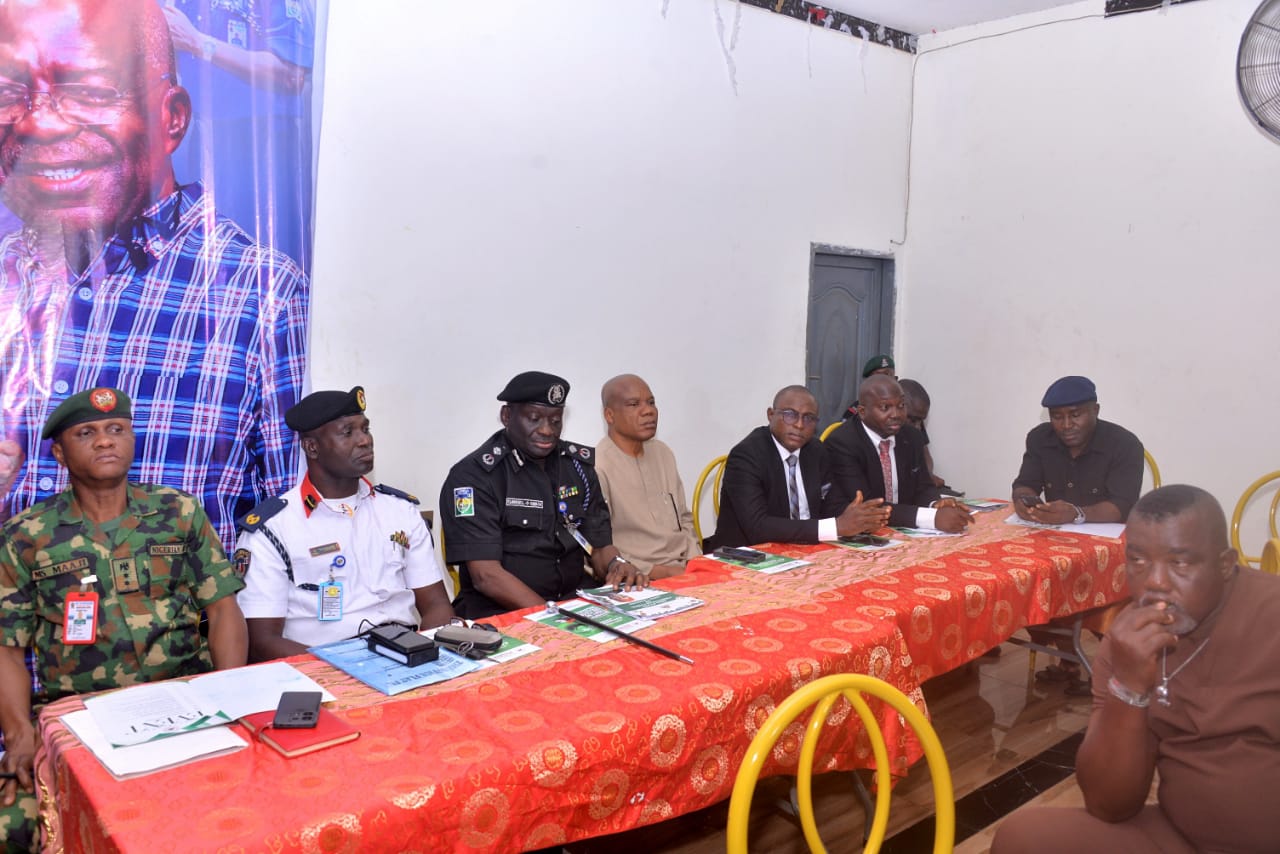
These are excerpts of a paper presented by Dr. Otti, OFR, the Executive Governor of Abia State at the October 2024 “Nigeria in the World” Seminar.
NEWS
God Will Console You, Governor Otti Tells Ahuchogu Family, As Comrade Ugochukwu Ahuchogu’s Late Wife, Onyinyechi Is laid To Rest.

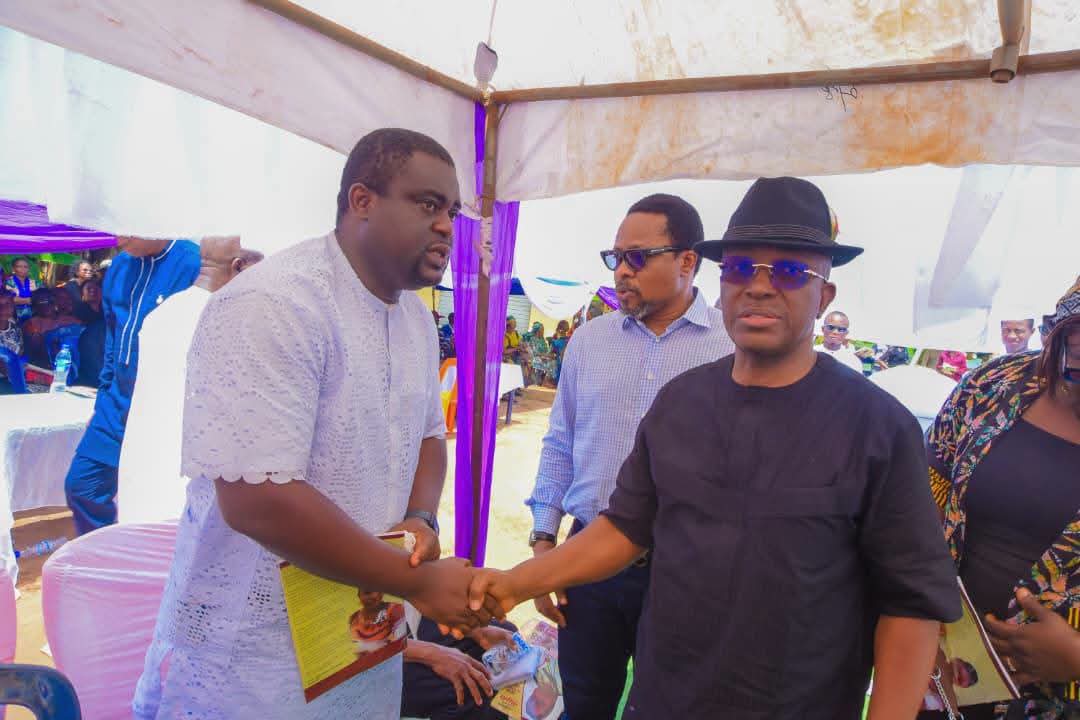
Only God can console you , Governor Otti tells Ahuchogu family, as Mrs Onyinyechi Ahuchogu, wife of Comrade Ugochukwu Ahuchogu is led to rest
The late Mrs Onyinyechi Patricia Ahuchogu, the late wife of Comrade Ugochukwu Ahuchogu, was on Friday, 9th October 2026, buried at Ntigha, Isiala Ngwa North LGA of Abia State.
The late Mrs Onyinyechi Ahuchogu who worked in the Broadcasting Corporation of Abia State, BCA before her unfortunate departure, died at 38 years.
The burial which was conducted by the Faith Clinic Intercessory Ministries, attracted several friends and colleagues of the family to Avor Ntigha.
Delivering his speech at the burial event, Abia State Governor , Dr Alex Otti urged the family of Comrade Ugochukwu Ahuchogu to remain steadfast in their faith in God and draw strength from Him as they navigate the pains of the death of Mrs Onyiyechi Patricia Ugochukwu.
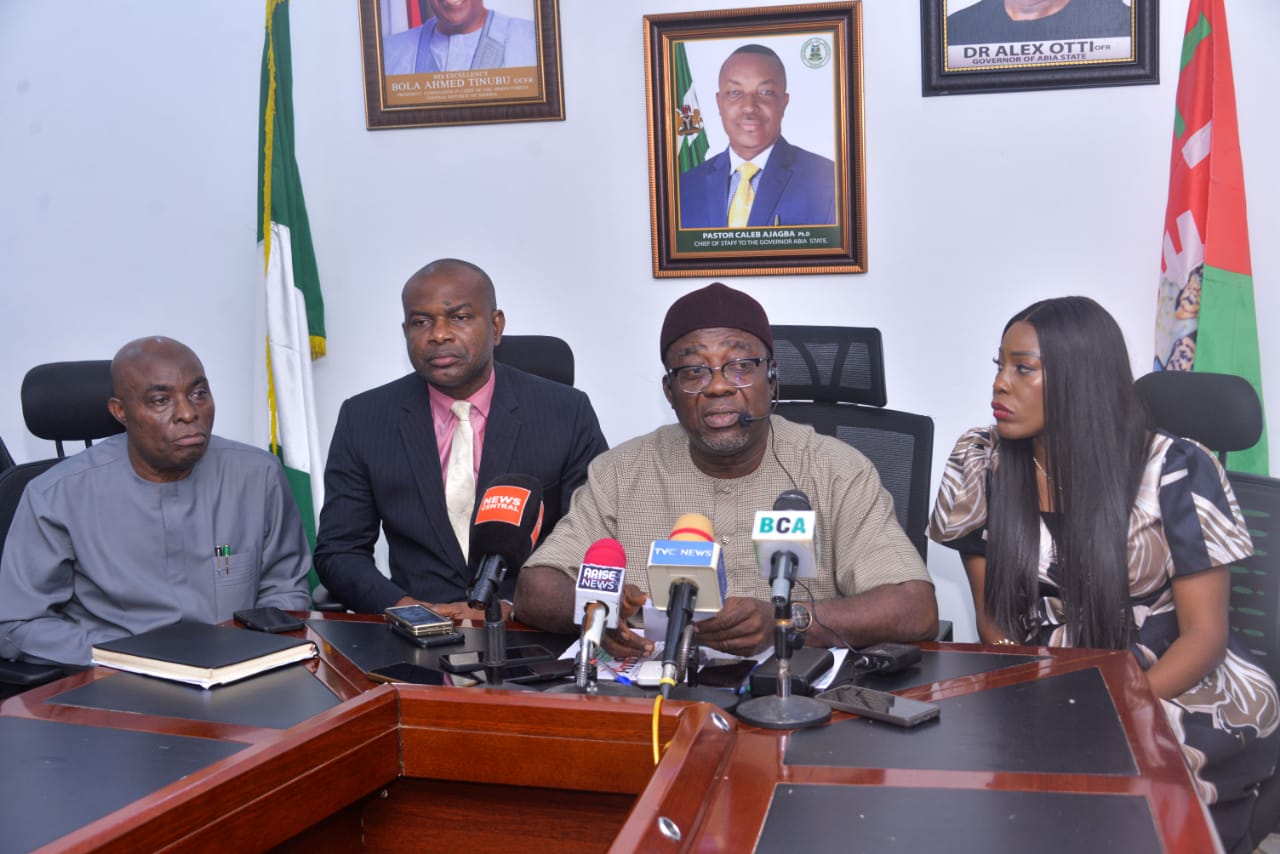
The Governor, who was represented by his Chief of Staff, Pastor Caleb Ajagba, acknowledged the pain associated with losing a loved one and encouraged them to take heart, reminding them that God remains sovereign over every situation.
He urged the family not to lose hope in the face of their grief, but to trust in God’s ability to sustain them through the difficult period.
Governor Otti noted that the value of a person’s life should not be measured solely by the number of years spent on Earth, but also by the significance of their existence and the memories they leave behind.
According to him, the family should find consolation in the belief that there is hope beyond their present sorrow and that what lies ahead could be better than what is behind.
Governor Otti further assured the family that God would not abandon them in their moment of grief, praying that He would grant them the comfort, courage and inner strength required to bear the loss.

Earlier in his sermon, titled “Death: A Great Mystery of God Upon Humanity,” the Pastor in charge of Faith Clinic Intercessory Ministry, Pastor Chibuike Nwogu, described death as an inevitable reality of human existence, urging everyone to reflect deeply on the purpose of life and the legacy they hope to leave behind.
Drawing from Ecclesiastes 9:5, Pastor Nwogu reminded all that earthly life is temporary and that no human being can escape the reality of death.
He challenged Christians to consider the impact of their actions, relationships and contributions to society, stressing that everyone should strive to live a life worthy of emulation.
The servant of God further admonished Christians not to grieve like those who have no hope, encouraging them to draw comfort from their faith in God even in times of profound sorrow. He explained that while the loss of a loved one brings emotional pain, believers must continue to trust in God and remain committed to living righteous and purposeful lives.
He also cautioned against placing absolute confidence in human beings, noting that people may disappoint, but faith in God provides a source of hope and reassurance during difficult moments. He therefore urged Christians to strengthen their relationship with God, remain prayerful and make good use of the time available to them on earth.
Aged 38 years, Mrs Onyiyechi Patricia Ugochukwu was survived by her husband, Comrade Ugochukwu Ahuchogu and numerous relatives.
The burial ceremony attracted the presence of many dignitaries, including the Commissioner for Arts, Culture and Creative Economy Mr. Matthew Ekwuruibe, Director -In Charge, Government House Umuahia, Mrs. Onyedikachi Ogwo, acting Director General of the BCA, Comrade Francis Nwaubani, the leadership of the NUJ and many others.
From :Onyebchi Juliet Nwabu
FIC umuahia
10th October 2026.
BURNING ISSUE
Abia Records Healthcare Breakthrough As 19-Year-Old Accident Victim Undergoes Successful Brain Surgery
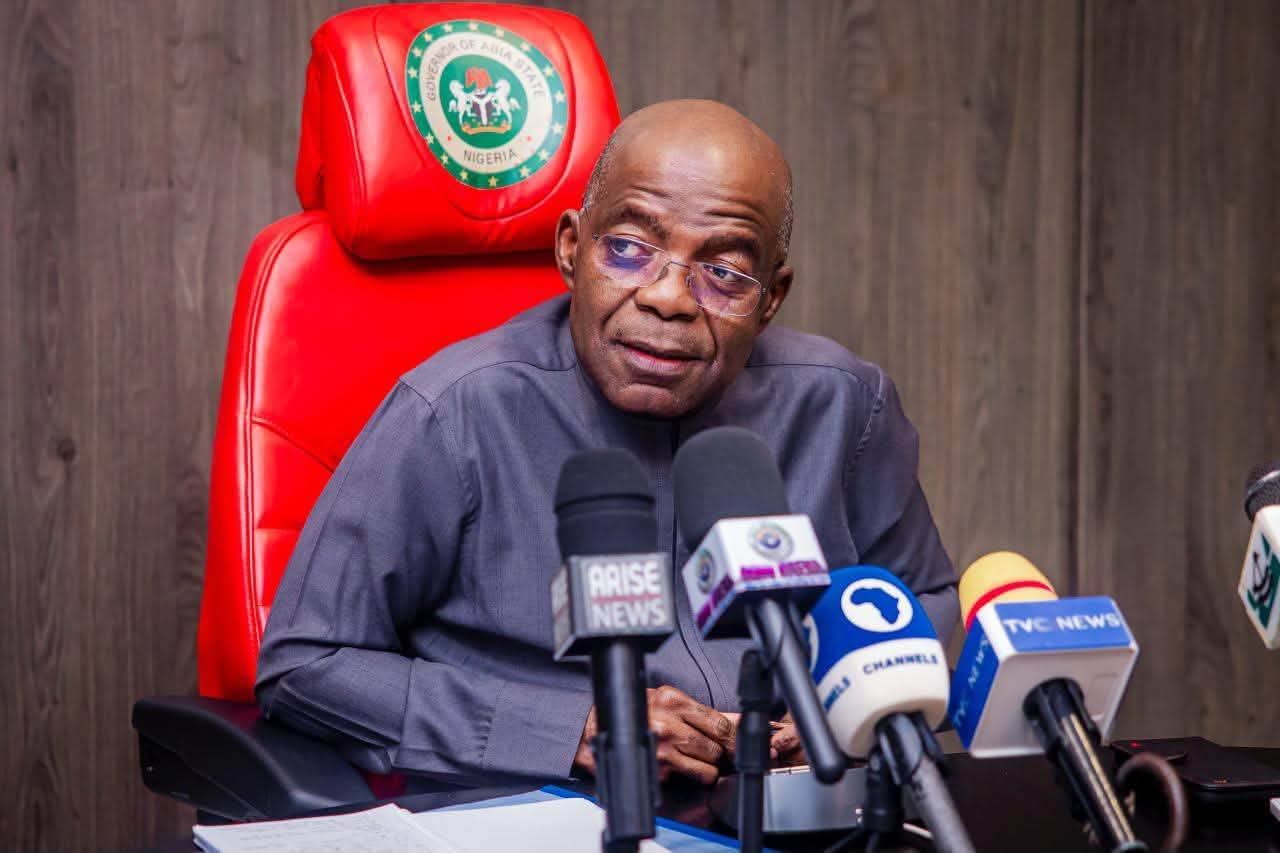
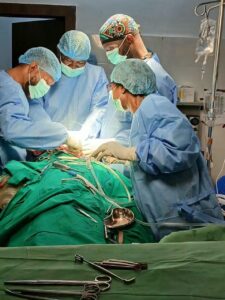
The Abia State Government has recorded a major breakthrough in healthcare with the successful performance of an emergency brain surgery on a 19-year-old accident victim at the Abia State Specialist Hospital and Diagnostic Centre, Umuahia, highlighting the growing capacity of the State’s health institutions to provide advanced and specialised medical care.
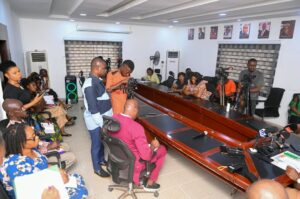
The Commissioner for Information disclosed this at a press briefing following the Executive Council meeting presided over by Governor Alex Chioma Otti, OFR, at the Government House, Umuahia.
The 19-year-old, who was involved in a motorcycle accident on Sunday, October 4, 2026, was rushed to the hospital in critical condition. Medical investigations revealed a massive collection of blood within his skull, placing severe pressure on the brain and requiring immediate neurosurgical intervention.
The emergency operation lasted about four hours, during which more than 100 millilitres of blood clot was evacuated from the patient’s brain and the bleeding controlled. He was subsequently transferred to the Intensive Care Unit for post-operative care and has commenced recovery, including movement of his limbs.
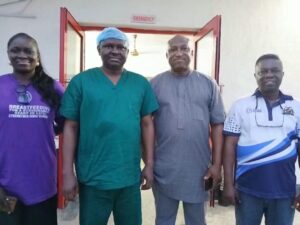
The successful intervention is significant because the availability of appropriate facilities, equipment and specialist personnel enabled the surgery to be performed immediately in Abia, eliminating the potentially fatal delay that could have arisen from referring the patient to another State.
The development is part of the sustained investment by the Otti administration in repositioning the State’s healthcare system over the past three years. Health institutions are being equipped to handle increasingly complex procedures, while specialist personnel are being engaged to strengthen the system’s capacity.
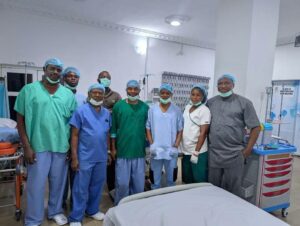
The Abia State Specialist Hospital and Diagnostic Centre has also recorded other successful specialised procedures performed by Nigerian specialists. Meanwhile, increasing healthcare investment is attracting support from development partners and international organisations.
A Swedish organisation has facilitated the provision of specialised medical equipment for trauma-related procedures, including orthopaedic, brain and spine surgeries. These interventions are contributing to the development of competency centres capable of providing specialised healthcare within Abia.
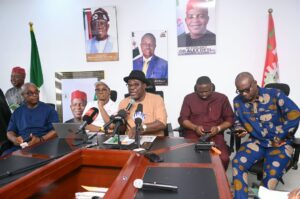
In another major healthcare development, the State Government has approved ₦502.1 million as counterpart funding under the Basic Healthcare Provision Fund, a payment critical to accessing the Federal Government’s allocation under the programme and sustaining healthcare services for vulnerable citizens, particularly pregnant women and children below five years enrolled under the health insurance scheme for vulnerable persons.
The State has also commenced activities for the 2026 World Sight Day, which runs until October 15, with emphasis on eye health, good vision and prevention of avoidable blindness.
The campaign is linking good vision with road safety, particularly among commercial drivers. Free eye screening is being provided at various locations across the State, with the Abia State Eye Health Management Bureau collaborating with the Ministry of Transport, the Federal Road Safety Corps and transport unions. A vision corridor will also be unveiled at the Nnenna Otti Bus Terminal to make eye assessment more accessible to drivers and encourage regular checks.
Government is equally providing health interventions in communities affected by the recent flooding to reduce health hazards and prevent possible disease outbreaks. During the period under review, no cases were recorded of diseases of public health importance, including Lassa fever, Ebola, diphtheria and COVID-19.
On housing, the application process for houses at Pocket Layout has been oversubscribed, indicating strong interest from Abians and residents. Analysis of the Expression of Interest forms is ongoing as the relevant authorities process the submissions.
The government has also conducted a Needs Assessment of the World Bank Estates in Aba and Umuahia and the IBB Layout in Umuahia. Preliminary interventions are already being undertaken in critical areas, particularly road infrastructure and solar street lighting, alongside other measures addressing needs identified during the assessment.
However, the government has revoked the building permit for TradeMore Housing Estate, Ubani, Umuahia, following the discovery of serious planning and regulatory infractions.
The Umuahia Capital Development Authority (UCDA) conducted an inspection following complaints from residents about flooding and defective structures and found that the developer’s original application was for only two structures — a semi-detached two-bedroom bungalow and a three-bedroom bungalow — despite the subsequent development of an entire estate.
The application was also found deficient in critical planning requirements, including survey and site plans, site analysis, layout plan, environmental impact assessment, evidence of administrative fee payments and technical inputs from relevant professionals and government agencies.
The building permit has therefore been revoked, with further steps to address the issues to be communicated.
The UCDA further clarified that although approval for development of the property was granted in March 2015, the developer approached the authority in 2024 seeking approval to build a market on the site. The proposal was rejected because it was inconsistent with the approved agricultural use of the land.
A subsequent inspection found ongoing construction, prompting the authority to issue a stop-work order. Officials attempting to enforce the order were reportedly attacked and rescued through the intervention of Operation Crush. The property has since been sealed and the permits revoked.
Government, however, remains concerned about individuals who may have purchased property within the estate and is working towards resolving the situation, with further communication to follow.
On the persistent flooding in parts of Umuahia, Governor Otti has directed the establishment of an inter-ministerial committee comprising the UCDA and the Ministries of Works, Environment and Lands.
The committee has two weeks to submit a comprehensive report and lasting solution to the perennial flooding affecting Ogurube and Ehimiri layouts.
The administration is seeking a coordinated and sustainable solution to recurring flooding and erosion rather than temporary interventions.
Significant progress has also been recorded on the Emede-Ibeku flood and erosion control project. Clearing of erosion sites is 100 per cent complete, lateral filling is about 90 per cent complete, excavation for drainage approximately 95 per cent complete, while concreting of drainage structures has reached about 90 per cent.
Government expressed optimism that residents of affected communities would soon begin to benefit from the intervention.
The State Government has also issued its Week 40 public health advisory, with specific recommendations for communities affected by flooding. Residents in flood-prone areas have been urged to observe appropriate health and safety measures as government continues efforts to mitigate the impact of flooding and prevent disease outbreaks.
In the area of social protection, the Ministry of Poverty Alleviation and Social Protection has received nine additional Abia indigenes returning from the Republic of South Africa within the past two weeks.
The returnees comprise one adult male, three mothers, four children and one infant, all of whom have been successfully reunited with their families.
The State Government is also preparing to facilitate the return of approximately 100 additional Abia indigenes from South Africa in the coming weeks, with documentation and other arrangements already underway.
The developments reflect the broad approach of the Alex Otti administration to governance, combining investment in specialised healthcare with housing development, infrastructure renewal, flood and erosion control, social protection and enforcement of planning standards.
The growing interest in the Pocket Layout Estate, ongoing interventions in existing residential estates and the expansion of specialised healthcare services further underscore the administration’s stated commitment to improving living conditions and strengthening public institutions.
The emerging New Abia agenda, therefore, extends beyond physical infrastructure to include expanded access to quality healthcare, properly planned residential communities, protection of lives and property, stronger regulatory institutions and responsive government.
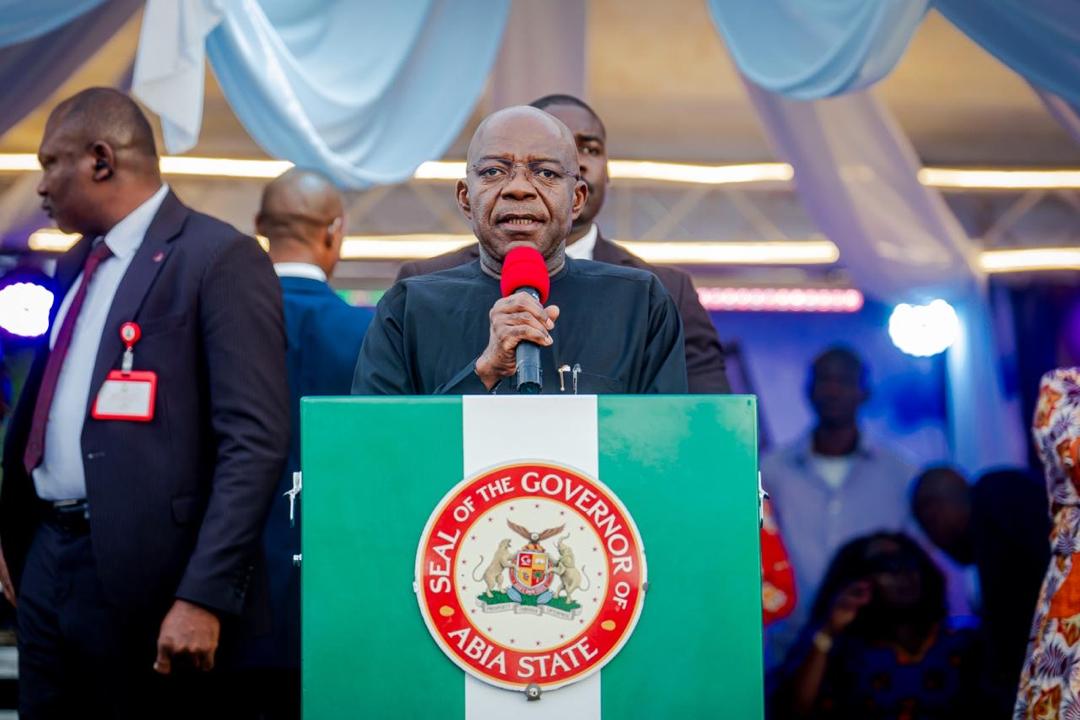
Ahead of the 2027 governorship election, political stakeholders backing Governor Alex Otti have intensified mobilisation across Abia, with the Abia North Alliance for Good Governance and the Nsulu Labour Party Stakeholders Forum separately unveiling strategies to secure his re-election and sustain the administration’s development agenda.
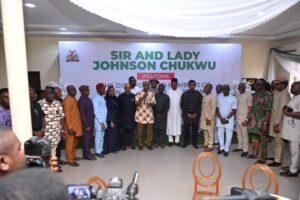
At a meeting in Ugwueke, Bende Local Government Area, the Abia North stakeholders reaffirmed their support for Otti, saying they would strengthen grassroots voter education and mobilisation ahead of the election. The meeting followed an earlier gathering in Abiriba where the group first declared its support for the Governor.
Presenting the group’s communique, its Secretary and Spokesperson, Prof. Mkpa Agu Mkpa, said members considered the present administration a model of good governance and resolved to work for continuity beyond 2027.
He said the Alliance would focus particularly on voter education at the grassroots and among less-literate voters, while encouraging youths to participate responsibly in the electoral process.
Former Minister of State for Mines and Steel Development, Dr. Uche Ogah, said stakeholders had political structures that would be deployed to the grassroots to mobilise support for the Governor.
Former FBN Holdings Group Managing Director, Elder Urum Kalu Eke, also expressed support for the administration’s record, citing Governor Otti’s background in the private sector.
The convener of the Alliance, Chief Ebueme Ezikpe, and the host, Sir Johnson Chukwu, said the group was not a political party or a platform for government contractors, but a coalition of opinion leaders seeking continuity in what they described as good governance.

Meanwhile, the Nsulu Stakeholders Forum of the Labour Party has also commenced preparations for the 2027 election, with its apex leader and Chief of Staff to the Governor, Pastor Caleb Ajagba, urging members to strengthen their structures at the ward and polling-unit levels.
At a strategic virtual meeting, Ajagba charged the 69-member forum to remain united, law-abiding and focused on grassroots mobilisation, voter education and support for the Governor and other Labour Party candidates. A similar Nsulu Labour Party stakeholders’ summit earlier in September also emphasised unity, grassroots mobilisation and participation in the 2027 election.
The forum subsequently constituted committees on Empowerment, Voter Education/Sensitisation, Mobilisation and Security, while adopting a three-month programme running from September to November.
Chairman of the Nsulu Stakeholders Forum, Dr. Chris Ugwumadu, urged members to justify the confidence reposed in them by providing effective leadership in their respective communities.
Contributing, Dr. Charles Ogugbuaja commended the organisation of the Labour Party stakeholders in Nsulu and called for increased grassroots communication on the administration’s projects and programmes.
The two engagements underscore the growing political activity among groups supporting Governor Otti as preparations gather momentum for the 2027 governorship election.

-
 BURNING ISSUE3 months ago
FG, UNDP, TETFUND And Governor Otti Launch Manu-Tech UniPod, Says Innovation Will Power Abia’s Next Industrial Revolution
-
 BURNING ISSUE4 months ago
Abia Strengthens Security Architecture With Okada Restrictions, Citizen’s Engagement Centre, And Statewide Digital Connectivity Drive
-

 Education3 months ago
NSCDC, CDOWA Launch Statewide Safe School Campaign In Abia, Donate Educational And Sanitary Materials To Students
-
 NATIONAL NEWS3 months ago
NSCDC Strengthens Private Security Regulation In Abia …Moves To Enhance National Security Architecture
-
 BURNING ISSUE2 months ago
Tinubu, Obasanjo, Dame Patience Jonathan, Otti Lead National Tribute To Aguiyi-Ironsi At 60th Memorial Thanksgiving
-
 Uncategorized4 months ago
Abia Government Cracks Down on Okada Operations in Major Cities, Violators Risk Arrest and Confiscation
-
 BURNING ISSUE2 months ago
Abia Begins Payment of 10-Year-Old Gratuity Arrears, Tackles N61.8bn Legacy Liability
-
 BURNING ISSUE2 months ago
Abia State Celebrates 35 Years With Project Commissioning, Healthcare Expansion, Technology -Driven Services